


Inside Lokkhikunjo: The home where Nayak Raj Razzak still lives in memory
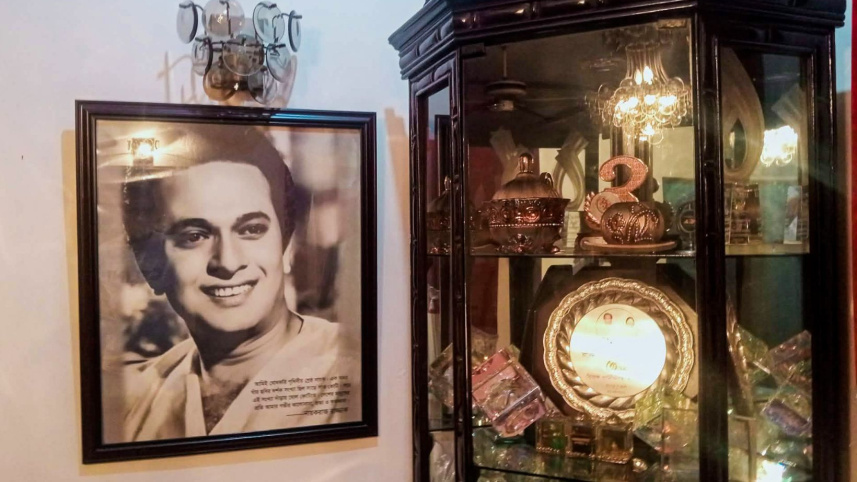
Nearly a decade has passed since we lost Nayak Raj Razzak, yet his presence continues to be felt across Bangladesh. The legendary actor, who helped shape and enrich Dhallywood, remains one of the most beloved figures in the country's cinematic history. He captivated generations of audiences and earned countless accolades, including the Independence Award and several National Film Awards.
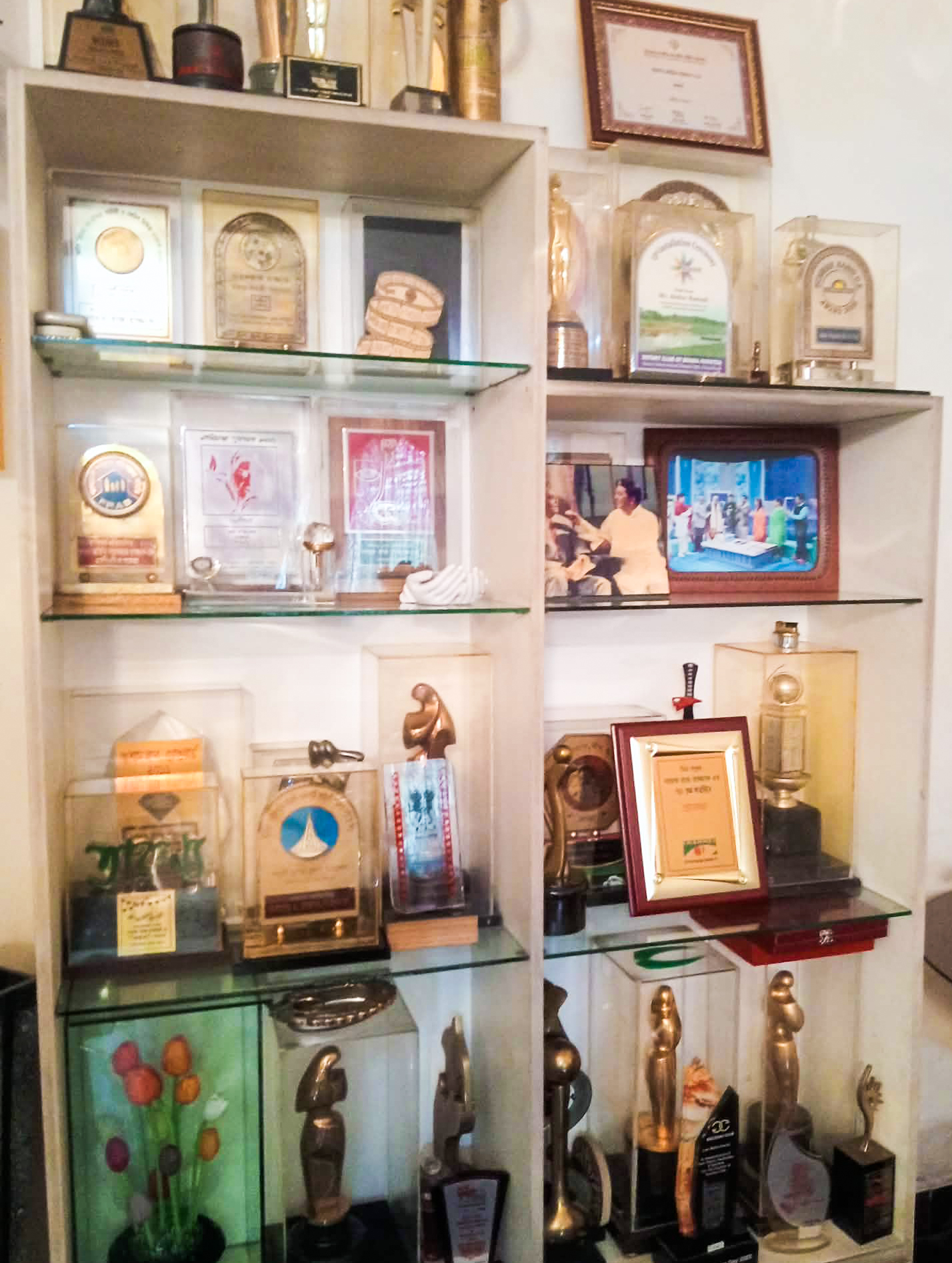

Today, his admirers continue to celebrate his legacy, and his family continues to preserve the memories of the man they knew beyond the screen. Standing quietly in Gulshan is Lokkhikunjo, the home he built with love and named after his wife, Khairunnesa, affectionately known as Lokkhi. Once centred around the larger-than-life star, the house still carries his presence in every corner.
A recent visit to his home offers a glimpse into the private world of Nayak Raj. Through stories shared by his youngest son, actor Samrat, a portrait emerges of a man whose passions extended far beyond cinema.
The story of Lokkhikunjo itself dates back to before Bangladesh's independence. Razzak purchased the land and began construction in 1969. The family moved into the house before the outbreak of the Liberation War in 1971, while the property suffered damage during the war.
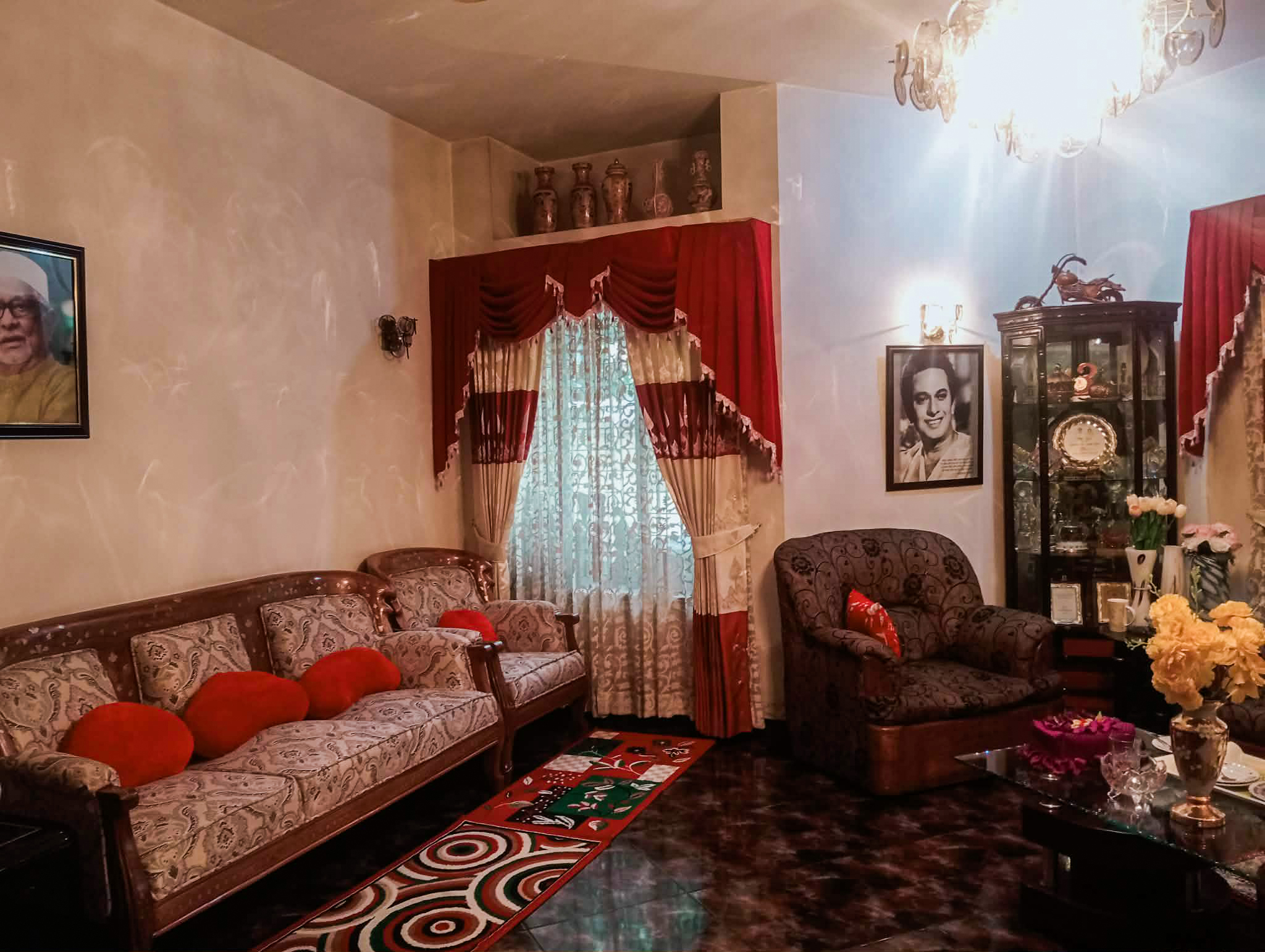
At that time, the surrounding area was largely covered with mango and jackfruit orchards. Razzak even built a swimming pool on the premises. The original house was eventually demolished, and a new version of the house was constructed in 1984.
One of Razzak’s greatest loves was books. He was an avid reader and maintained a vast personal collection, and was particularly fond of the works of Sarat Chandra Chattopadhyay.
Even when travelling abroad, one of the first things he looked for was a bookshop. During visits to Kolkata, he spent hours exploring the city’s famous book district, purchasing books to add to his collection. His love of reading became a family tradition. He encouraged his children to read extensively and regularly bought books for his grandchildren, a practice that has helped preserve a culture of reading within the family to this day.
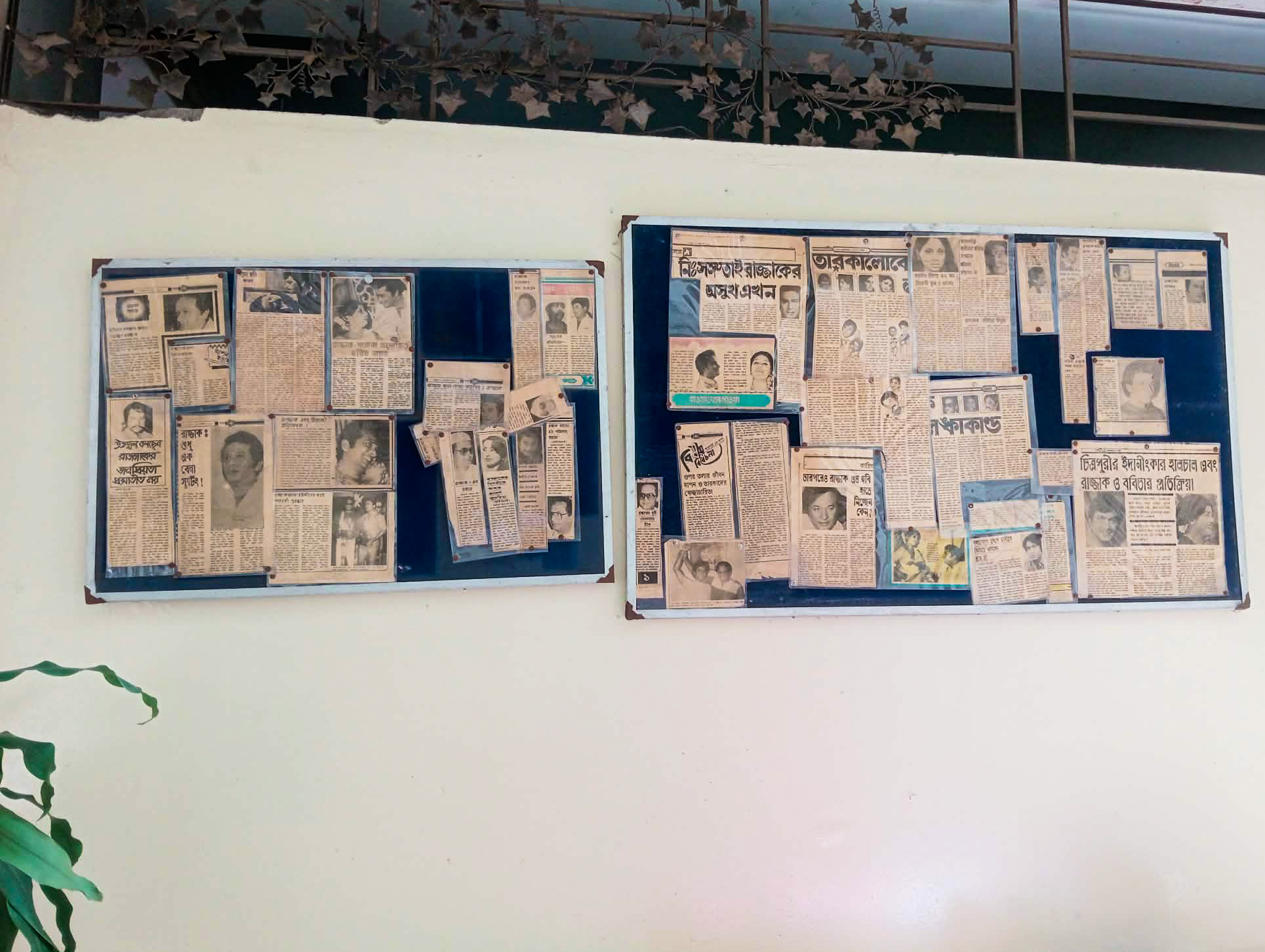
His admiration for literature also influenced his filmmaking. Inspired by Sarat Chandra Chattopadhyay’s “Baikunther Will”, he produced the film “Shot Bhai”, which went on to become both critically acclaimed and commercially successful under the banner of Rajlokkhi Productions. He also produced the literary adaptation “Champadangar Bou”.
According to Samrat, the success of “Shot Bhai” played a transformative role in his father’s life. The profits from that film and another hit one, “Abhijan”, were used to build Lokkhikunjo. Those two films, he says, effectively changed his father’s fortunes, although many other successful films also contributed significantly to his long and celebrated career.
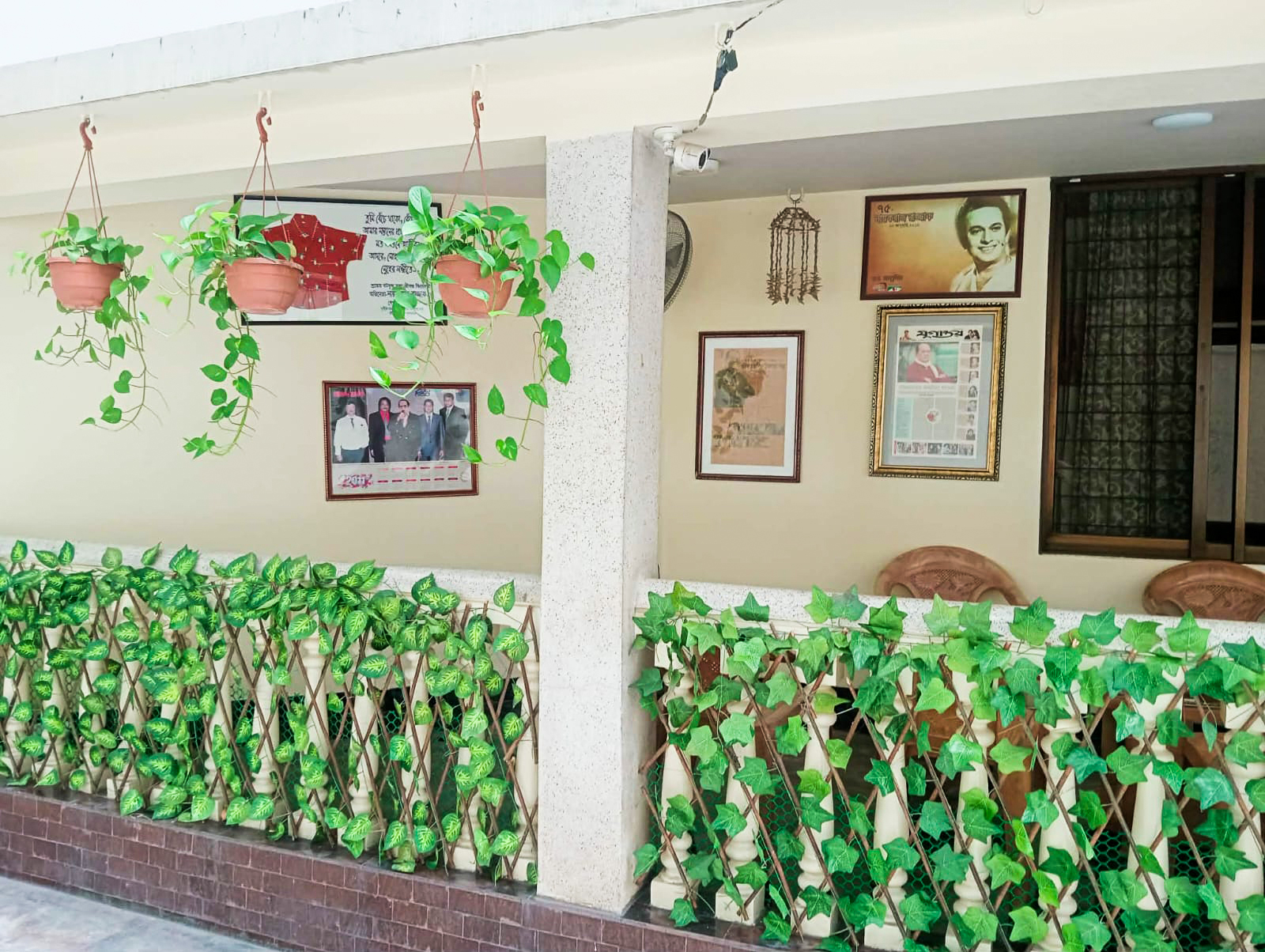
Away from film sets, Razzak found joy in gardening. He loved planting flowers and fruit trees and maintained a rooftop garden. The ground-floor veranda of the house was one of his favourite places in the house. There, he spent hours with friends, sharing stories, laughter and conversation. It was also where he often sat with his grandchildren.
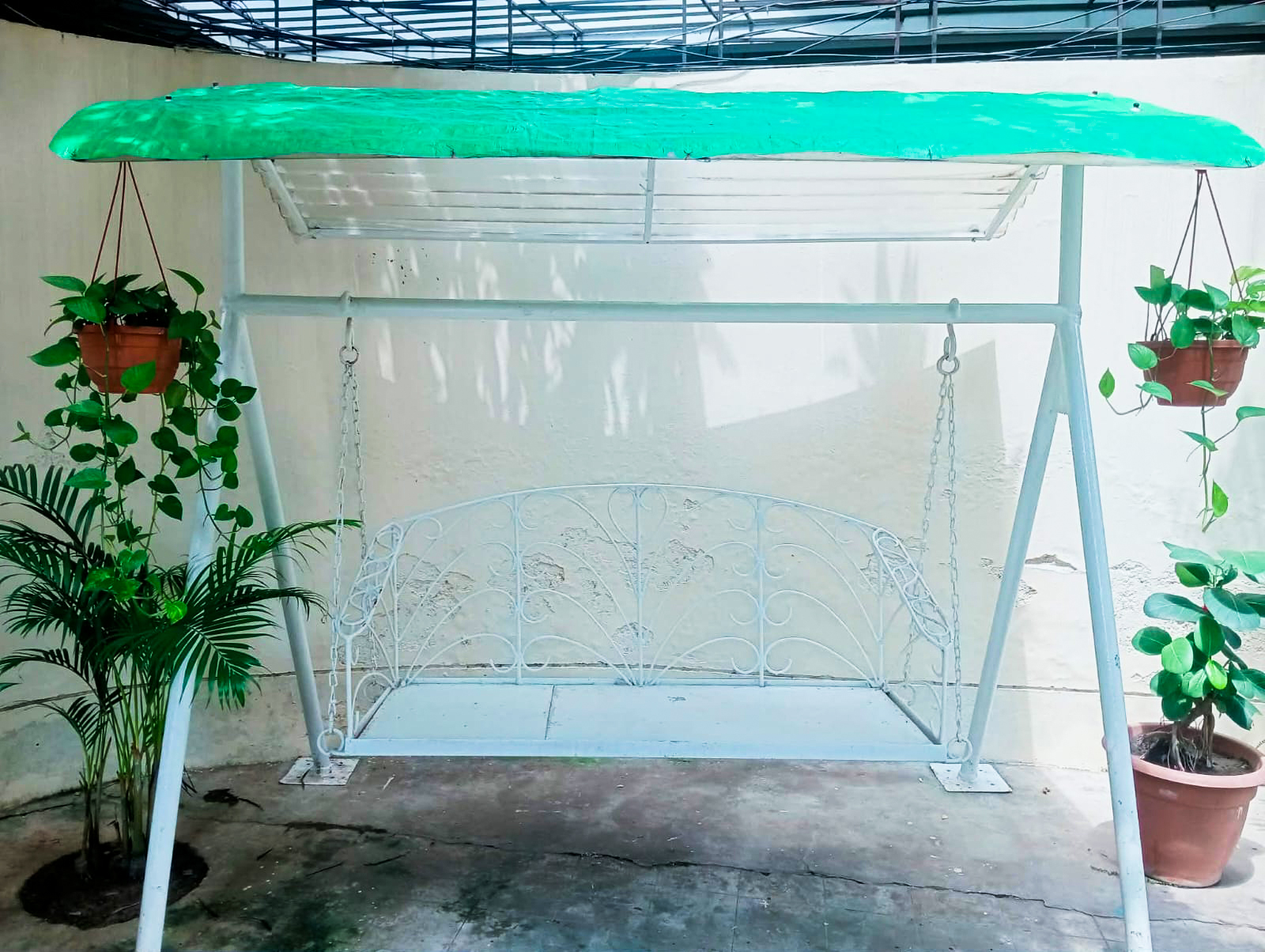
There’s a swing on the rooftop that remains intact to this day. It was one of his cherished spots, where he spent many happy moments with his grandchildren.
Lokkhikunjo was once a gathering place for some of the country's most distinguished personalities. Friends such as Gazi Mazharul Anwar, Azizur Rahman Buli and E R Khan frequently visited. Their conversations often stretched late into the night. During these gatherings, his wife would prepare elaborate meals. Once the adda concluded, everyone would sit together and enjoy dinner.
Family occupied a central place in his life. Every year, he travelled to Kolkata to visit his only sister and spend time with her family. His nephews also visited Dhaka regularly and stayed at their house whenever they came.
Whenever shooting schedules allowed, he made it a point to eat with the entire family. He strongly believed in maintaining family bonds and preferred a joint-family lifestyle. Dinner was often served on the floor, where everyone sat together. Following his death, his children continued this tradition and still live together as a joint family.
At the height of his career, Razzak’s workload became so intense that he installed an editing panel behind his Gulshan residence. This allowed him to complete the post-production work of Rajlokkhi Productions more efficiently.
 For all latest news, follow The Daily Star's Google News channel.
 His sense of style was equally meticulous. He believed that costumes were an essential part of character-building. According to Samrat, his father carefully considered what type of clothing suited each role. The wardrobe for a romantic hero differed from that of a social drama protagonist, and he personally guided his dressman on these matters.
Despite his immense fame, Razzak remained deeply religious. He performed Hajj for the first time in 1983 and completed the pilgrimage six or seven times throughout his life. He was also a founding member of Gulshan Society Mosque, now widely known as Azad Mosque.
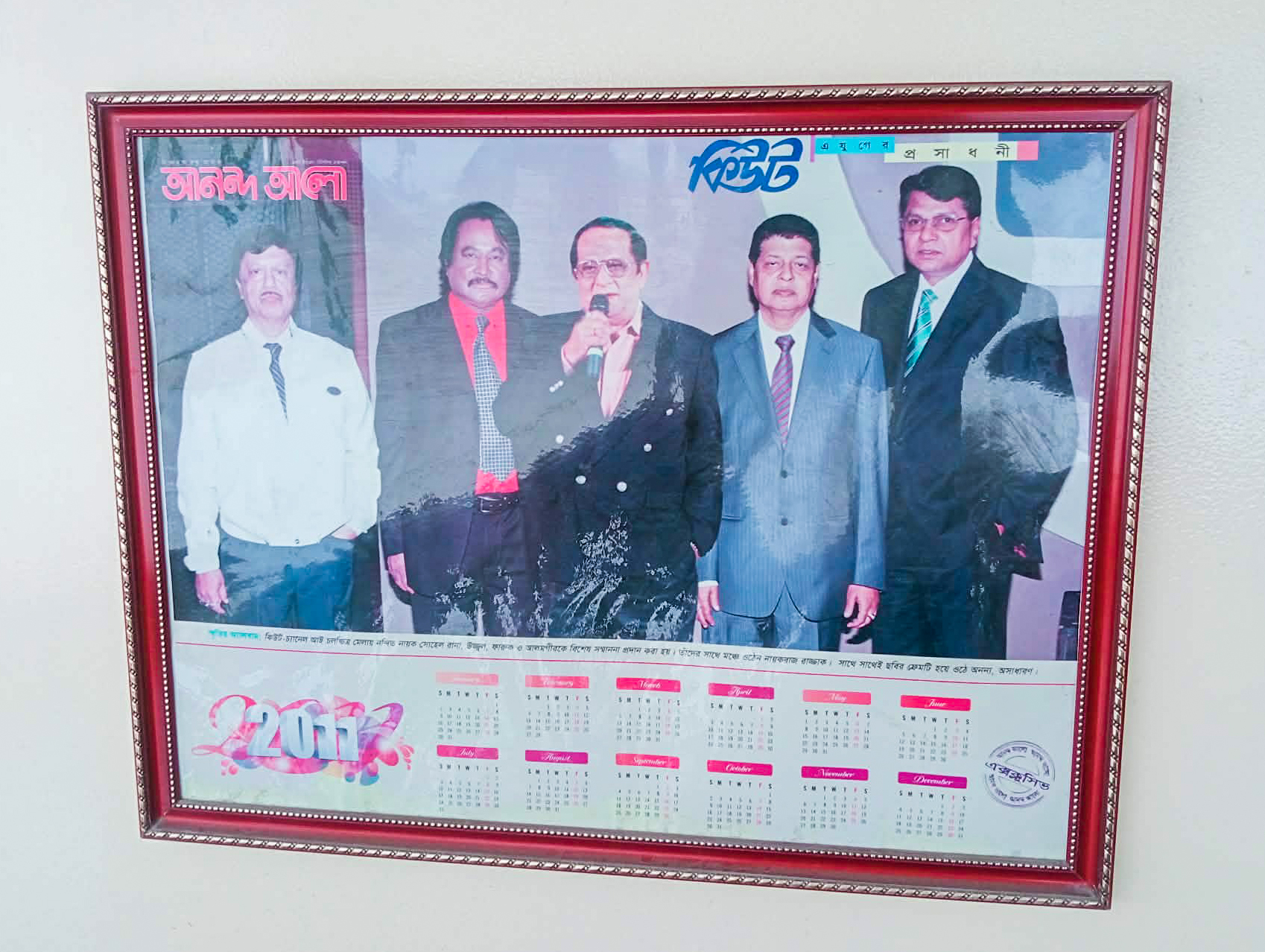
The final film produced under Rajlokkhi Productions was “Maron Niye Khela” in 2000. One of his most iconic productions, “Rongbaz”, had two producers—Razzak himself and Mojibur Rahman Majnu.
Beyond films, he enjoyed several hobbies. He loved cars, fishing and bird hunting. In 1967, he bought his first car, a Datsun Bluebird. Two years later, in 1969, he purchased a Toyota Corona through Navana. Thereafter, he developed a passion for acquiring the latest vehicle models whenever they became available. At one point, he owned five or six cars and would drive whichever one suited his mood to film shoots.
He was also an animal lover. Several dogs always lived at Lokkhikunjo, usually five or six at a time. Samrat continues that tradition today and keeps a similar number of dogs.
Fishing became almost an obsession for the actor. He often travelled to places such as Cumilla and Savar simply to fish. Bird hunting was another passion. He hunted herons and doves and occasionally ventured out in his Pajero with the sunroof open in search of game.
He owned both rifles and air guns and sometimes went hunting dressed in a simple lungi. At one stage, he even kept deer at home. However, before independence, he donated the animals to the zoo.
According to Samrat, his father quietly supported countless people throughout his life. He frequently acted in films without accepting payment and never hesitated to help members of the film industry during times of crisis or hardship.
In 1984, he began developing the Rajlokkhi Complex in Uttara. Initially built as a single-storey structure, it included a dedicated prayer space from the very beginning. Today, a mosque occupies the third floor of the complex.
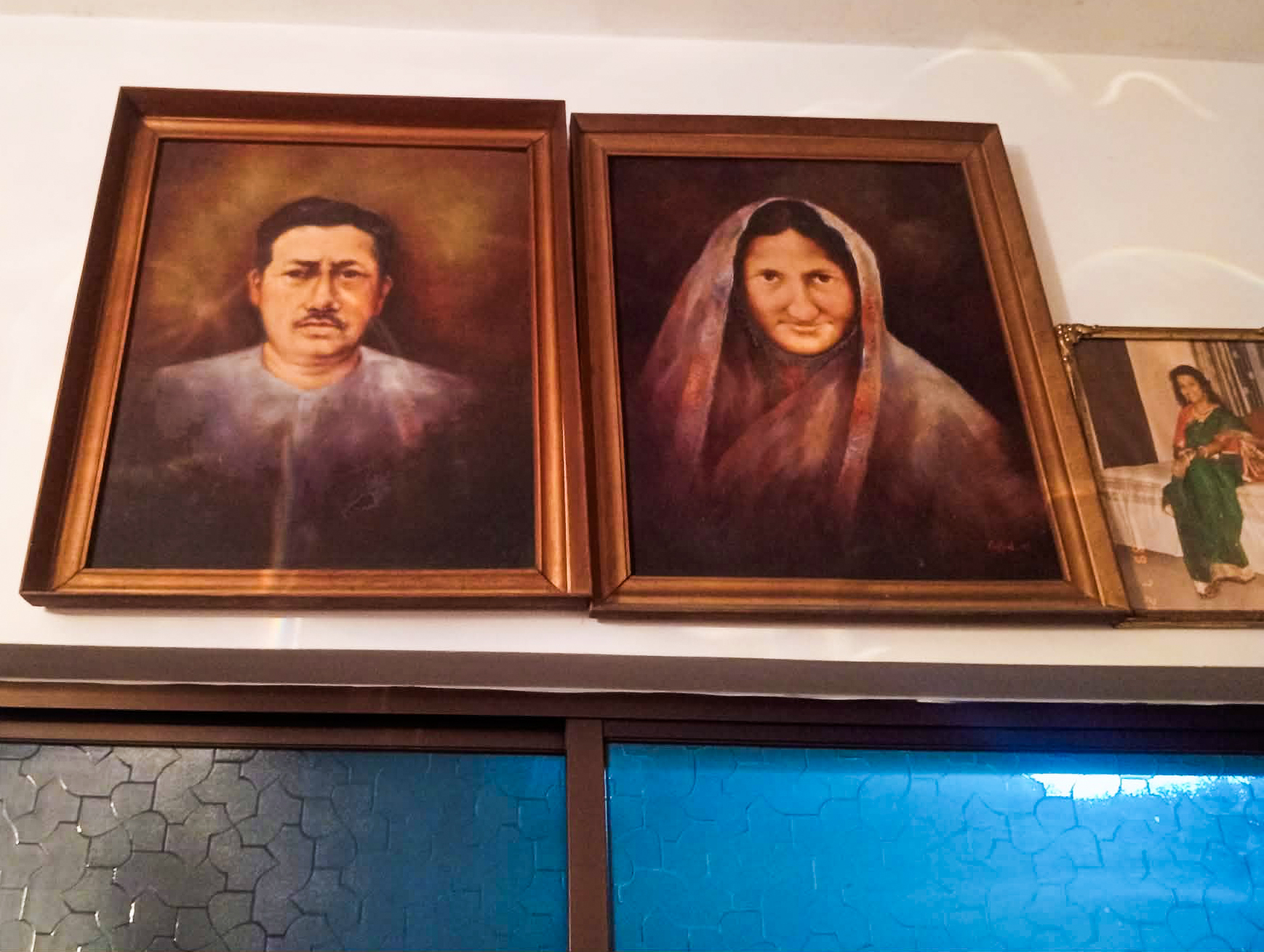
Razzak was the father of five children. His eldest son, actor Bapparaj, followed him into cinema. His second son, Bappi, now lives in Canada. His youngest son, Samrat, has appeared in numerous films and television dramas.
He also had two daughters. One of them, Shampa, passed away in 1993.
At the time, Razzak was shooting the film “Prem Shokti” outdoors when he received news that his daughter was seriously ill. He immediately rushed back to Dhaka.
Lying in a hospital bed, Shampa reportedly asked a heartbreaking question: “Will father come?” He dearly loved her.
When he arrived, he embraced her and gently asked, “What happened, my daughter?” A short time later, she passed away.
Even decades later, the memory remains painful for the family. Samrat recalls seeing his father cry repeatedly after losing his daughter.
“He was devastated,” Samrat remembers. “I saw him cry many times. Her loss completely broke him.”
Today, Nayak Raj Razzak is no longer physically present.
The laughter that once echoed through Lokkhikunjo has faded. The friends who gathered for endless conversations no longer fill the balcony. The man who spent hours reading books, tending gardens, fishing, buying cars, caring for animals and bringing joy to millions of cinema lovers is gone.
Yet his presence remains everywhere. It lives in the books lining the shelves, in the swing that still overlooks the rooftop, in the traditions preserved by his family, in the house named after the woman he loved, and in the countless memories held within its walls.
Razzak may have left the world nearly a decade ago, but throughout Lokkhikunjo, the touch of Nayak Raj still endures.
Comments