


‘Kabori was unparalleled': Sohel Rana looks back fondly on first film together
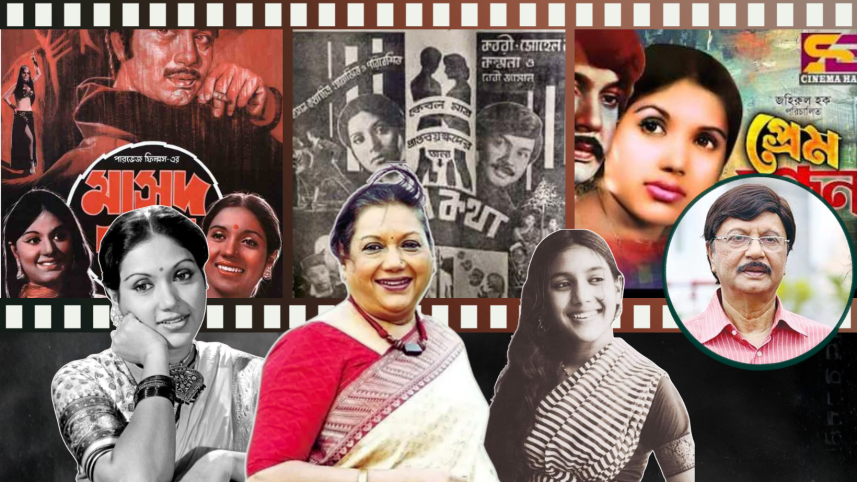
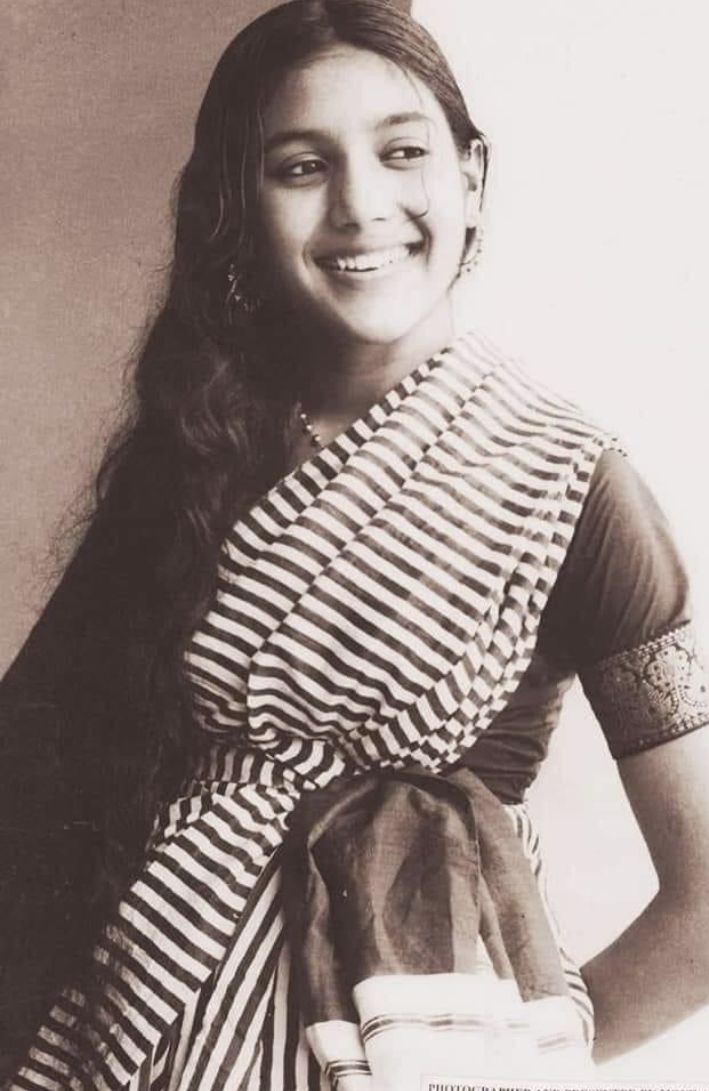
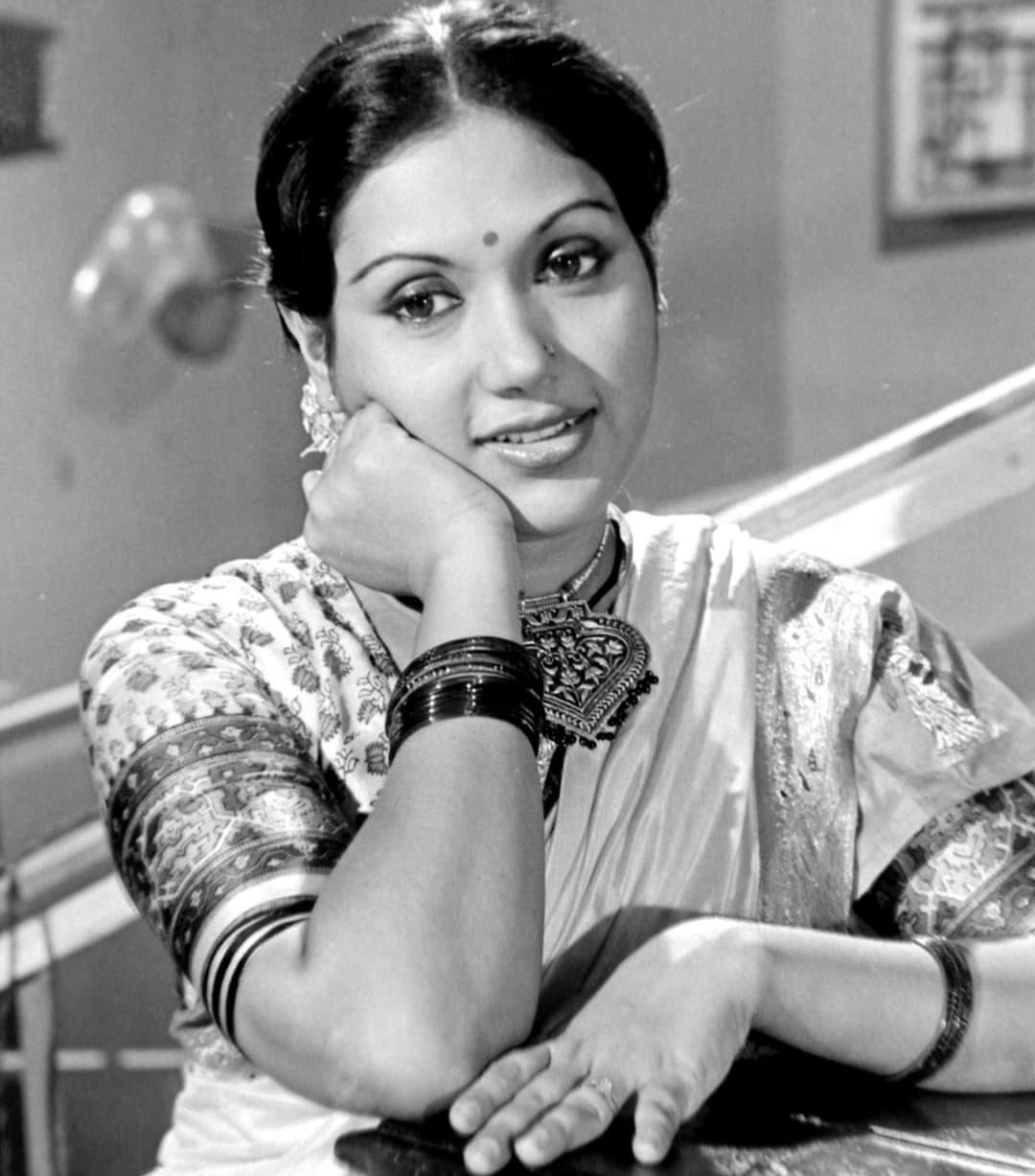
Today (July 19) marks the birth anniversary of the late Kabori Sarwar, the ever-smiling screen icon affectionately known as mishti meye (the sweet girl) of Bangladeshi cinema. Unlike titles bestowed through awards, organisations or promotional campaigns, this endearing name came directly from audiences, who embraced her for her warmth, effortless charm and the radiant smile that could light up the silver screen.
Kabori remains one of the country's most beloved actresses, remembered not only for her remarkable performances but also for the grace and innocence that made her an enduring favourite across generations.
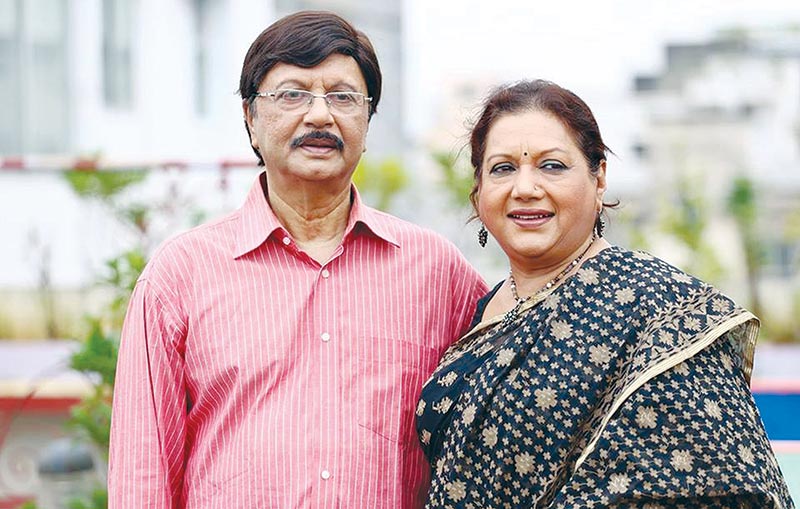
One of the most successful leading men of Bangladesh's golden era of cinema, Sohel Rana has worn many hats throughout his illustrious career. An actor, director, producer and a decorated freedom fighter, he also produced “Ora 11 Jon”—widely recognised as Bangladesh's first feature film based on the Liberation War.
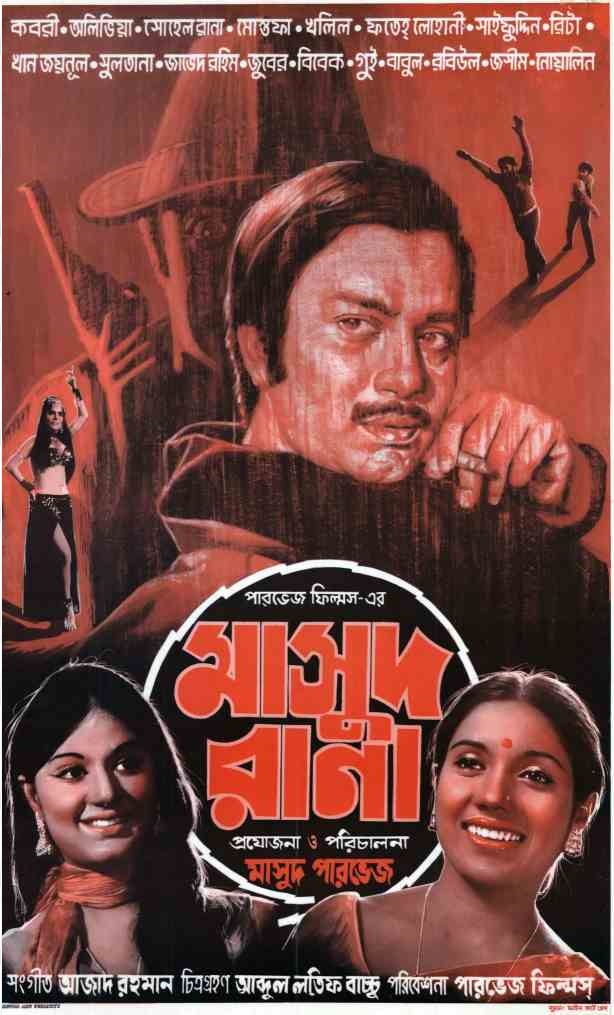
His journey as a leading man began with “Masud Rana”, a film he both directed and starred in. The film became a major box-office success, establishing him as one of the country's most sought-after heroes. He followed it with “Epar Opar”, further cementing his popularity with audiences. Even today, the song “Bhalobashar Mulyo Koto” from “Epar Opar” remains fondly remembered by generations of film lovers.

Decades later, Sohel Rana still vividly recalls the experience of making his debut film—especially sharing the screen for the first time with the distinguished actress Kabori Sarwar.
Speaking to The Daily Star, he reflected on the memories that have stayed with him over the years.
"There was no comparison to Kabori. She was truly one of a kind," he said. "When Kabori smiled, the whole country smiled. I was fortunate to have her as the leading lady in my very first film, “Masud Rana”. We worked together again later, but nothing can replace the memory of sharing the screen with her for the first time. Those moments still come back to me."
Kabori was affectionately known across Bangladesh as the ‘mishti meye’ (sweet girl)—a title Sohel Rana believes was her greatest honour.
"Can you imagine an actress being known simply as the mishti meye? How fortunate she was," he said. "That title wasn't given by a director, an organisation or anyone from the industry. It came directly from the audience. People loved her so much that they gave her that name themselves. It was one of the greatest recognitions of her life. The entire country knew and adored her as ‘mishti meye’, and we always saw it as a beautiful tribute."
Recalling how Kabori became the heroine of “Masud Rana”, Sohel Rana said the project came together after the success of “Ora 11 Jon”.
"After producing “Ora 11 Jon”, I decided to make another film. At the time, Qazi Anwar Husain's “Masud Rana” novels were immensely popular. I met with Kazi bhai, and we finalised everything. I directed the film and also played the title role."
He added that he personally selected the entire cast. "Both Kabori and Olivia were very popular then, so I cast them. But today I'd like to speak about Kabori. When I met her and narrated the story, she immediately agreed. Jokingly, she said, 'Parvez Sahib, there's another heroine too—you won't give her more importance than me, will you?' We all laughed. That's how she became the heroine of my first film."
Asked about Kabori's acting, Sohel Rana was full of admiration. "She was an extraordinary performer. Words cannot do justice to her talent. If you look closely, she didn't have conventionally perfect features—her nose, for instance, wasn't what people would call perfect. But her face had something far more powerful: warmth, grace and innocence."
He paused before adding a poetic comparison. "After a long spell of scorching sunshine, when the rain finally comes, it brings a sense of relief and joy. Kabori was like that rain in our film industry. She arrived and brought happiness to audiences every time she appeared on screen."
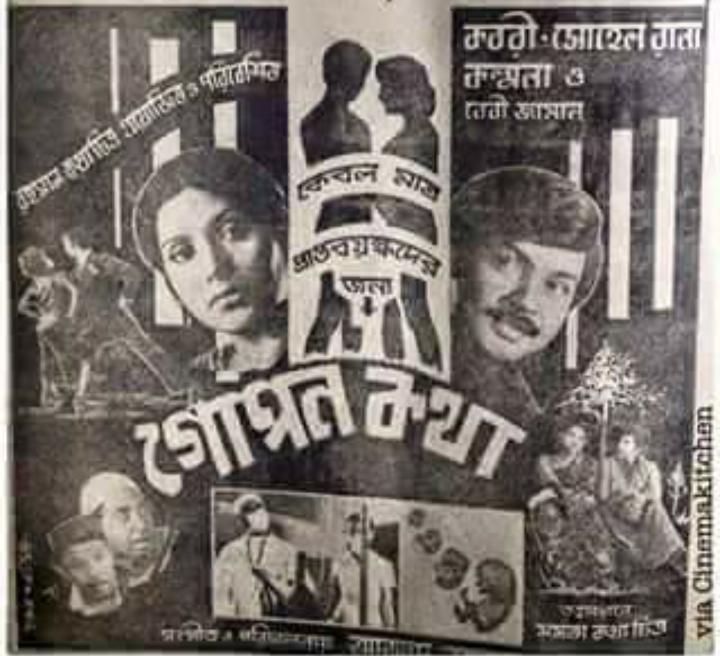
Sohel Rana also remembered her professionalism, while acknowledging one of her quirks. "She had many wonderful qualities. Yes, she sometimes arrived a little late on set, but she never delayed the work itself. She was deeply committed to her craft, and that dedication is what took her to extraordinary heights. Even though she is no longer with us, she lives on through her work. Audiences will remember her contributions to cinema for generations."

Summing up what made Kabori so special, he said, "Kabori was unparalleled. Whenever you saw her, she felt like someone from your own family—someone close, someone familiar. I think that's why audiences embraced her so wholeheartedly. And the most remarkable thing was that the moment the camera started rolling, she transformed into a completely different person."
 For all latest news, follow The Daily Star's Google News channel.
Comments