


In memories and melodies: Colleagues remember Dalia Nausheen


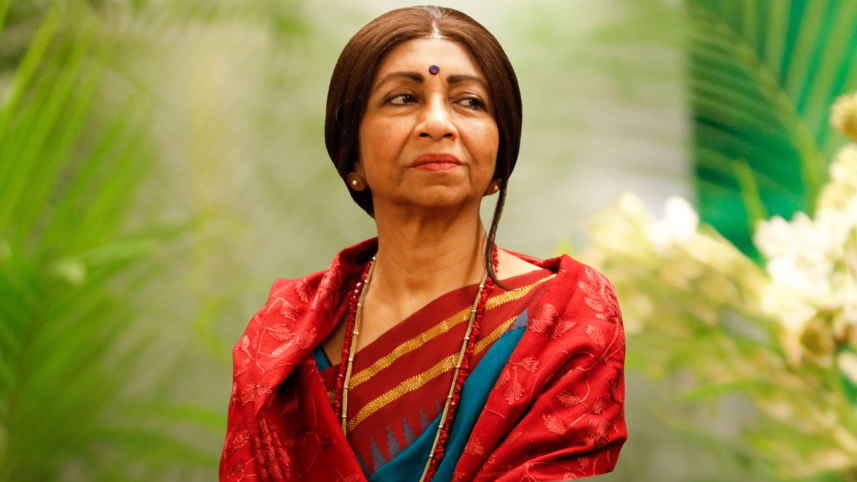
A voice that stood like a warrior against oppression, Nazrul Sangeet exponent Dalia Nausheen was more than a powerful presence at Swadhin Bangla Betar Kendra—she was a custodian of Bengali culture, holding firm till her last breath to the belief that Bangladesh would remain liberal and progressive in its ideals, philosophy and ideology.
The Ekushey Padak-winning singer passed away on April 1 after a prolonged battle with cancer and age-related complications, leaving behind loved ones and countless well-wishers. A witness to the Liberation War and a warrior honoured with a guard of honour in death, she will live on through her craft.

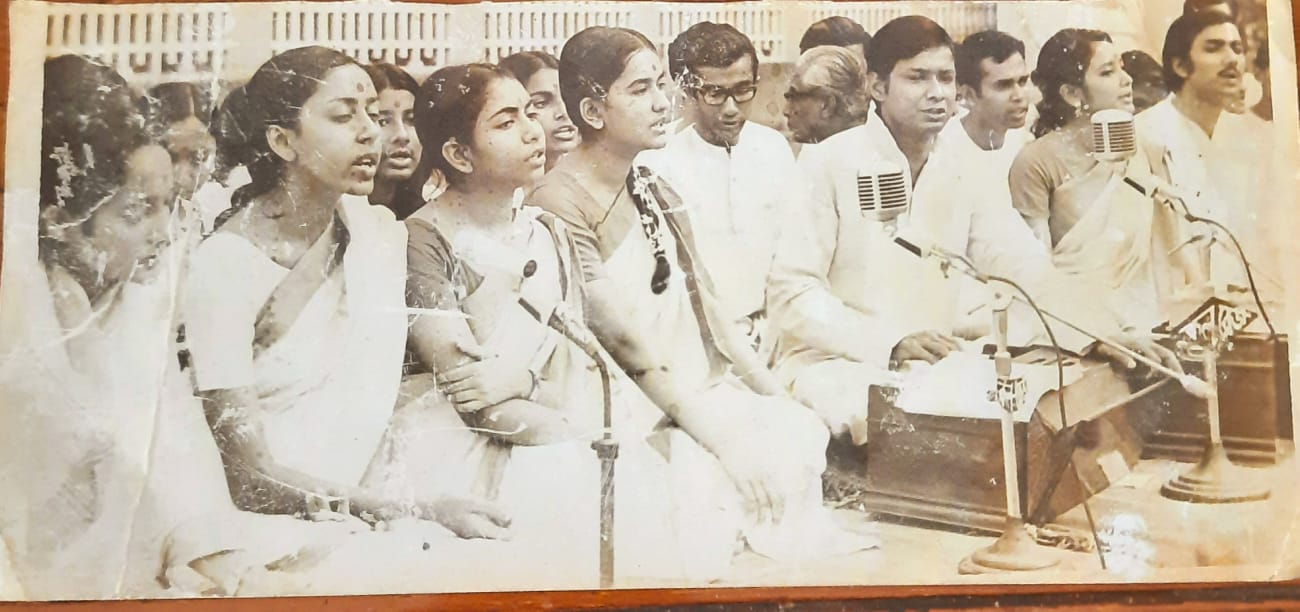
Photo courtesy: Sadya Afreen Mallick
Eminent musician Sadya Afreen Mallick, also her first cousin, became nostalgic while recalling their beautiful memories. “We began our musical journey together at Chhayanaut,” she said, noting their close age difference. They often prepared together and performed as a duo.
“People used to call us the ‘Manik Jor’—Sadiya-Dalia was almost always said in one breath.”
Sadya described Dalia’s gayaki as extraordinarily beautiful, highlighting her versatility across classical-based songs, kirtans, and rural folk music, even beyond Nazrul Sangeet. She also recalled how music remained central to Dalia’s life, whether in Bangladesh or abroad. “She always wanted to be known as a Nazrul Sangeet artiste,” she said, despite her wide-ranging repertoire.
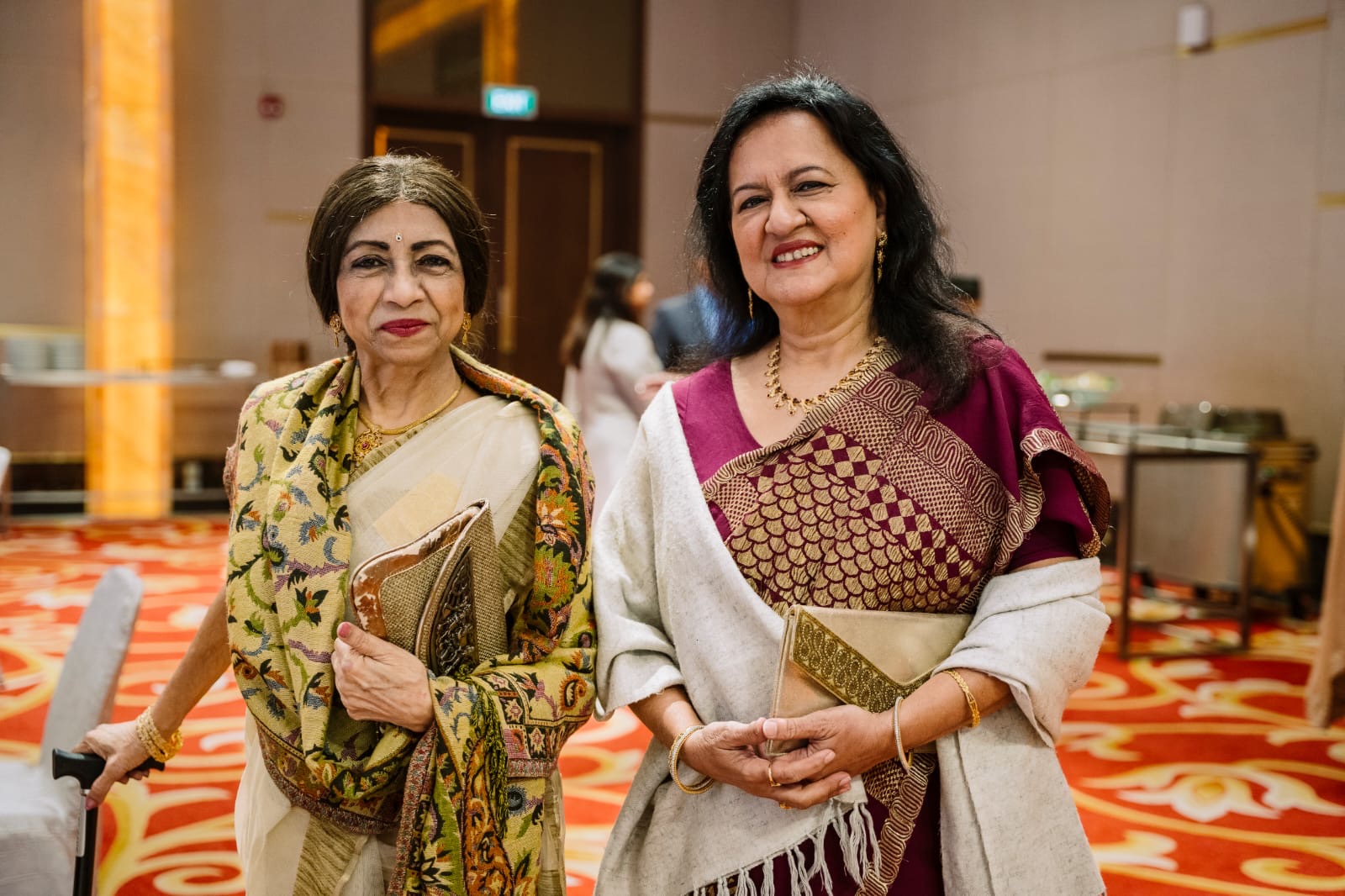
Photo: Courtesy of Sadya Afreen Mallick
One of the most poignant memories for Sadya was Dalia’s final performance at The Daily Star, organised by Gems of Nazrul in October 2025. Despite being unwell, she performed ‘Bole Rumjhum Jhum Nupur Bole’ with remarkable grace. “She sang so beautifully… she loved music more than anything,” Sadya recalled.
Even as her illness progressed, Dalia remained unwavering in her dedication. Though she kept her condition largely private, she continued to travel, record in Kolkata, and perform whenever possible. “Nothing mattered to her more than music,” Sadya emphasised. In her later years, though loneliness quietly surrounded her—with her children abroad and her husband passing away in 2014—music remained her constant.
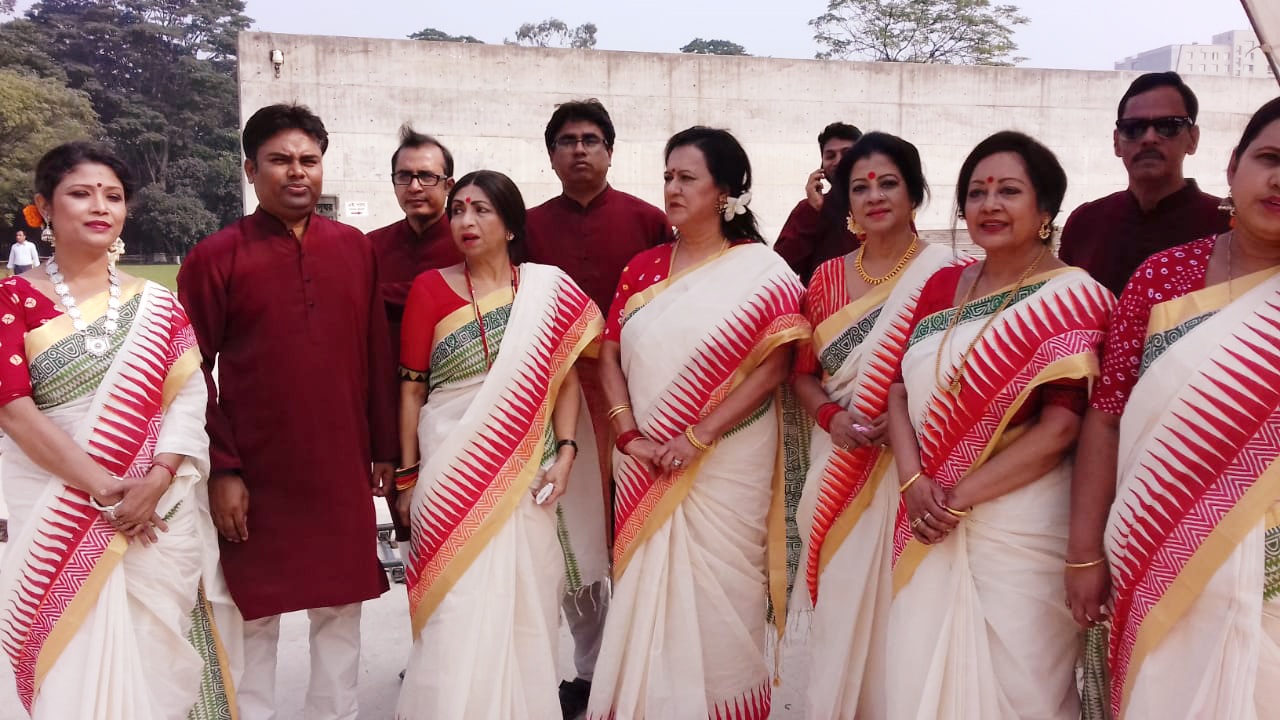
Photo: Courtesy of Sadya Afreen Mallick
Another person who shared a deeply personal bond with Dalia was renowned singer Fatema Tuz Zohra, who is still grappling with the loss. Reflecting on their relationship, she said it was “never just professional—it was deeply personal, almost familial.”
Over the years, she grew close not only to Dalia but to her entire family, including her parents, the legendary architect Muzharul Islam and Husne Ara Islam. Her connection with Dalia’s husband, Azad Hafiz, was equally warm, built on years of performing together and mutual respect.
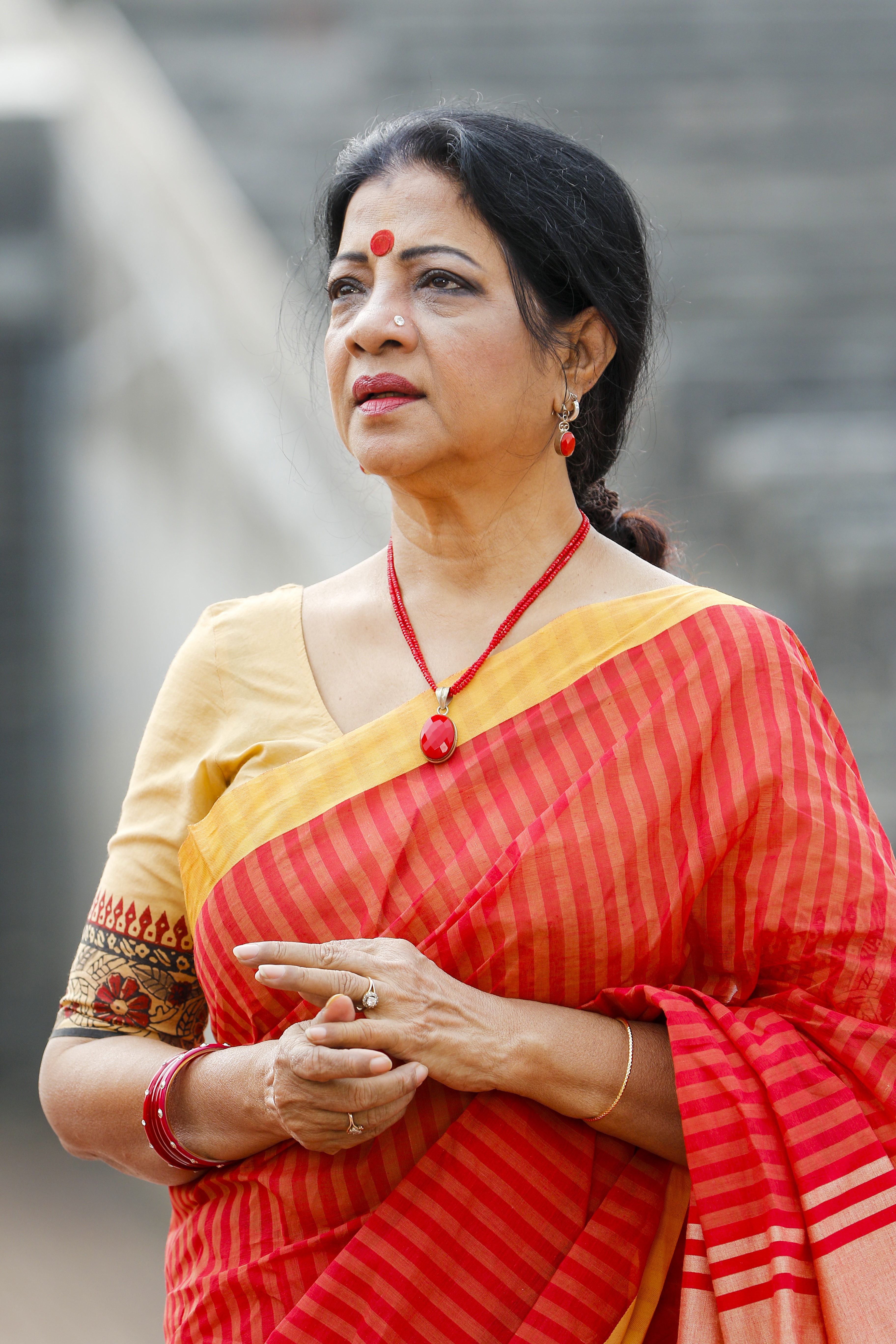
Among her most vivid memories is the devastating flood of 1998. She remembered how she, Dalia, and Shaheen Samad travelled by boat to Amin Bazar to distribute relief. Food packets prepared at Dalia’s home were handed out to those in need. The scenes, she said, were heartbreaking—“people were submerged up to their necks, and many had lost their lives”. Yet, in that moment of crisis, she witnessed Dalia’s compassion and quiet strength.
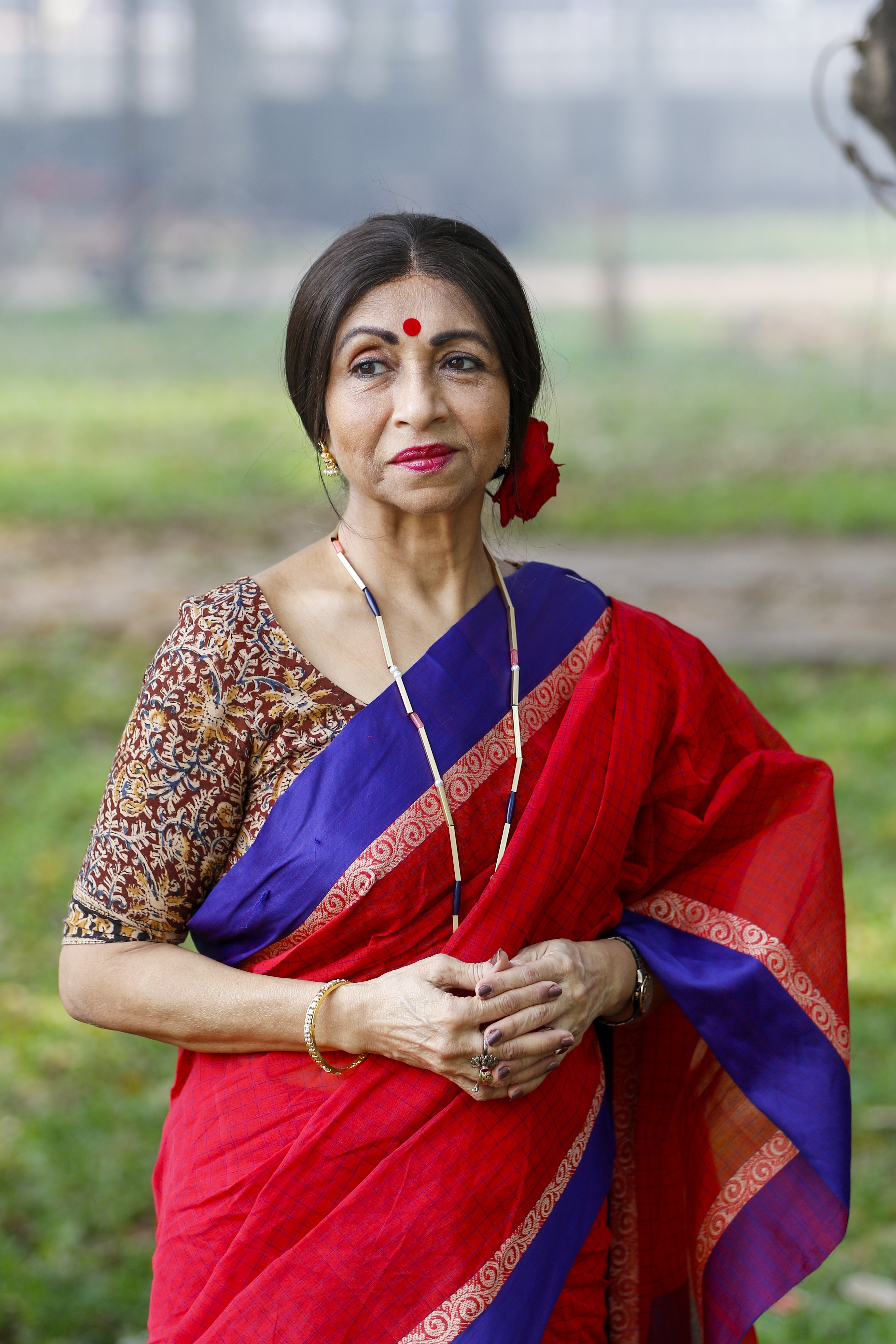
Speaking of her artistry, she described Dalia as a singer whose voice was “perfectly suited for Nazrul Sangeet—melodious, yet incredibly powerful.” Even during her illness, her voice remained unaffected. She remembered her as fiercely independent, someone who rarely spoke of her struggles but carried “a remarkable inner strength.” To her, Dalia was “an enlightened soul,” shaped by a refined and culturally rich upbringing.
Beyond music, their friendship was filled with warmth and laughter. They spent countless moments talking about clothes, styling, and colours—simple, joyful memories that now feel irreplaceable.
In her final years, it was painful to watch Dalia’s health decline. “It hurt to see her walk with a cane,” she admitted, recalling the toll her illness had taken on her body. And now, in her absence, there remains a void that words cannot fully capture. “Losing her has been incredibly difficult,” she said quietly, “and I still haven’t been able to come to terms with it.”
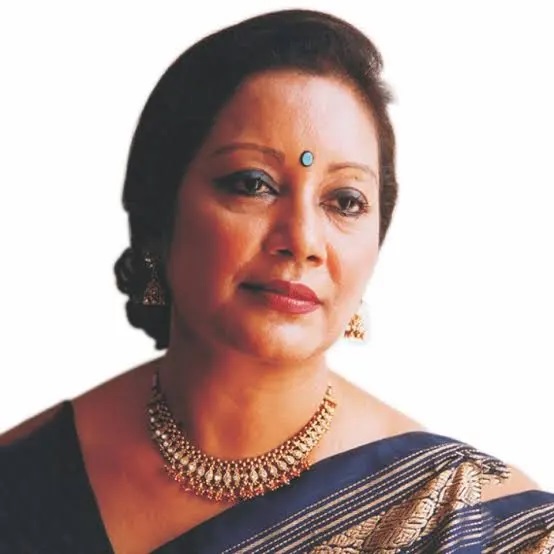
Photo: Collected
Shaheen Samad recalled Dalia as one of the most honest people she has encountered in her life. “At heart, she was an incredibly good human being—gentle, warm, and disarmingly honest,” recalled the ariste, reflecting on her long association with Dalia Nausheen. “She would always speak directly. If something hurt her, she would say it did. If she liked something, she would say that too.”
Their bond stretches back decades through music and shared cultural spaces, particularly at Chhayanaut. “We sang together, learned together, grew up in the same environment,” Shaheen said. “She was like a younger sister to me.”
Even in illness, Dalia’s resilience stood out. Battling multiple health complications for years, she continued to hold on with remarkable strength. “She fought with everything she had,” Shaheen remembered. “But towards the end, she quietly said she wanted rest, and call it a coincidence, the next day, she left.”
One of Shaheen’s most vivid memories is of Dalia’s final performances. “She could barely walk, yet she slowly made her way to the stage with a stick and sang beautifully. That image will stay with me forever.”
Beyond music, it is her warmth that lingers. “Her home was always full of love—no one ever left without being cared for. These are the memories that remain.”
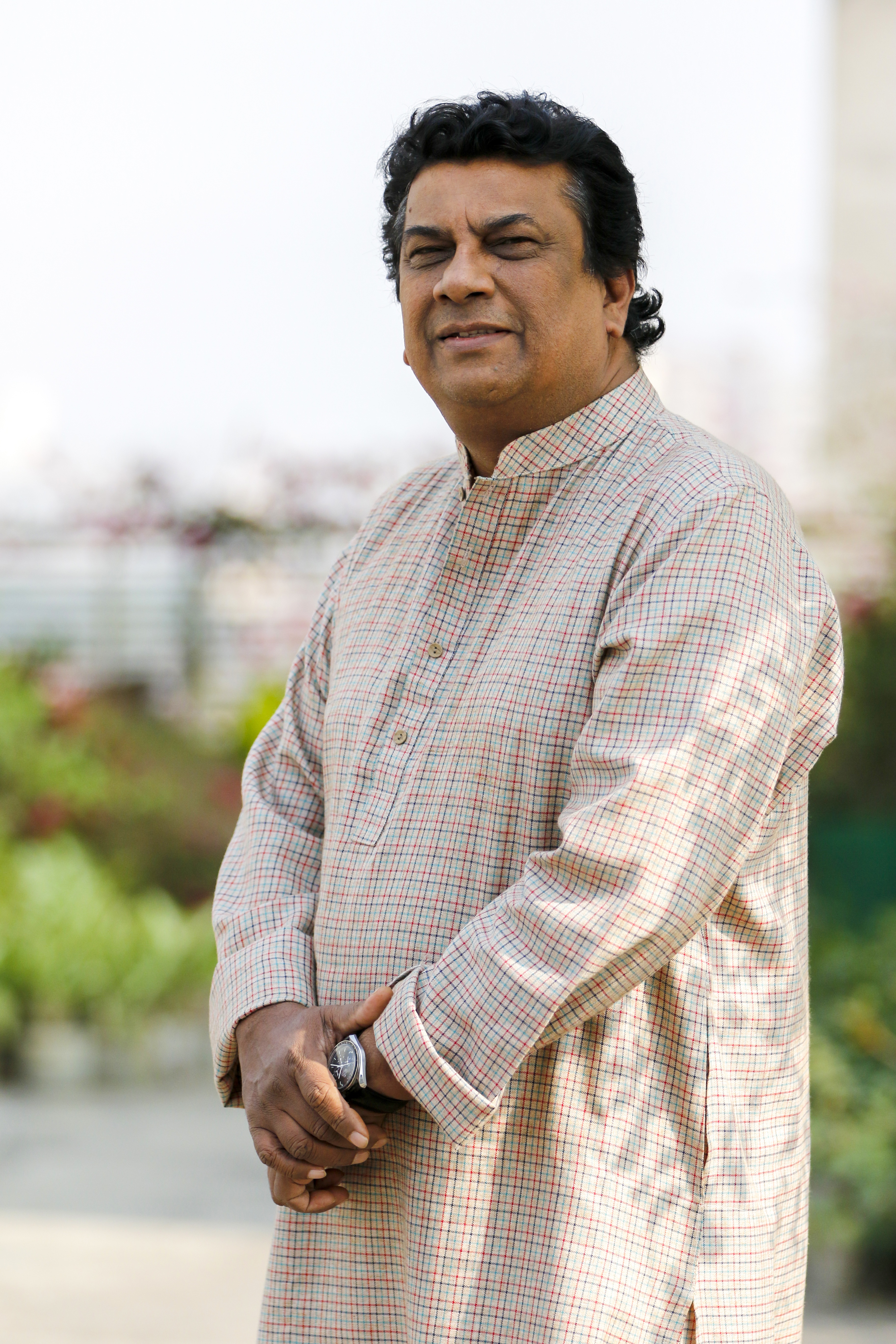
Photo: Star
Khairul Anam Shakil reminisced about the moments with the artiste, “My association with her began through Chhayanaut,” he recalled.
“Though we didn’t know each other closely at first, things changed after the Liberation War.”
In those early years, when Chhayanaut lacked a permanent space, it was Dalia’s family home opened its doors. “She made it possible for classes to be held there,” he remarked. “That’s when I came to know her more closely. She was still a student then, and I was a few years junior.”
He also remembers seeing her in Kolkata during the war, where she was an artiste of the Swadhin Bangla Betar Kendra. “She was deeply committed to the Liberation War—performing in camps, singing for the cause. She was not just an artiste, but an active participant in the movement.”
 For all latest news, follow The Daily Star's Google News channel.
In the years that followed, Dalia established herself as a respected Nazrul singer, gaining recognition through Bangladesh Television alongside contemporaries. “She was never just about fame,” Shakil reflects. “She was deeply rooted in Bengali culture and carried the spirit of the Liberation War throughout her life.”
Comments