


Good cinema will always find its place: Akash Haque

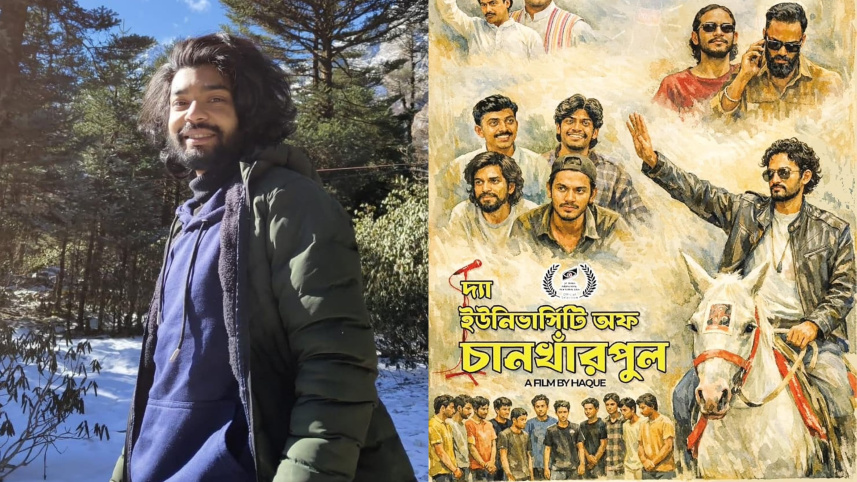
As the Eid-ul-Azha box office fills with star-driven spectacles and commercial entertainers, one of the season’s most intriguing releases is arriving from an entirely different space. After winning over audiences at two festivals — DIFF and Amar Bhashar Cholochitro — and earning multiple awards, “The University of Chankharpul”, directed by young filmmaker Akash Haque, has now joined the Eid release race.
Even with that momentum behind him, Haque admits the final stretch before release has been intense.

“There’s definitely pressure,” the director said. “Everything is happening at the last moment. The final preparation is still going on.”
For the filmmaker, releasing during Eid was not only a creative decision but also a strategic one. As an independent production without the backing of a major commercial studio, visibility itself becomes a challenge.
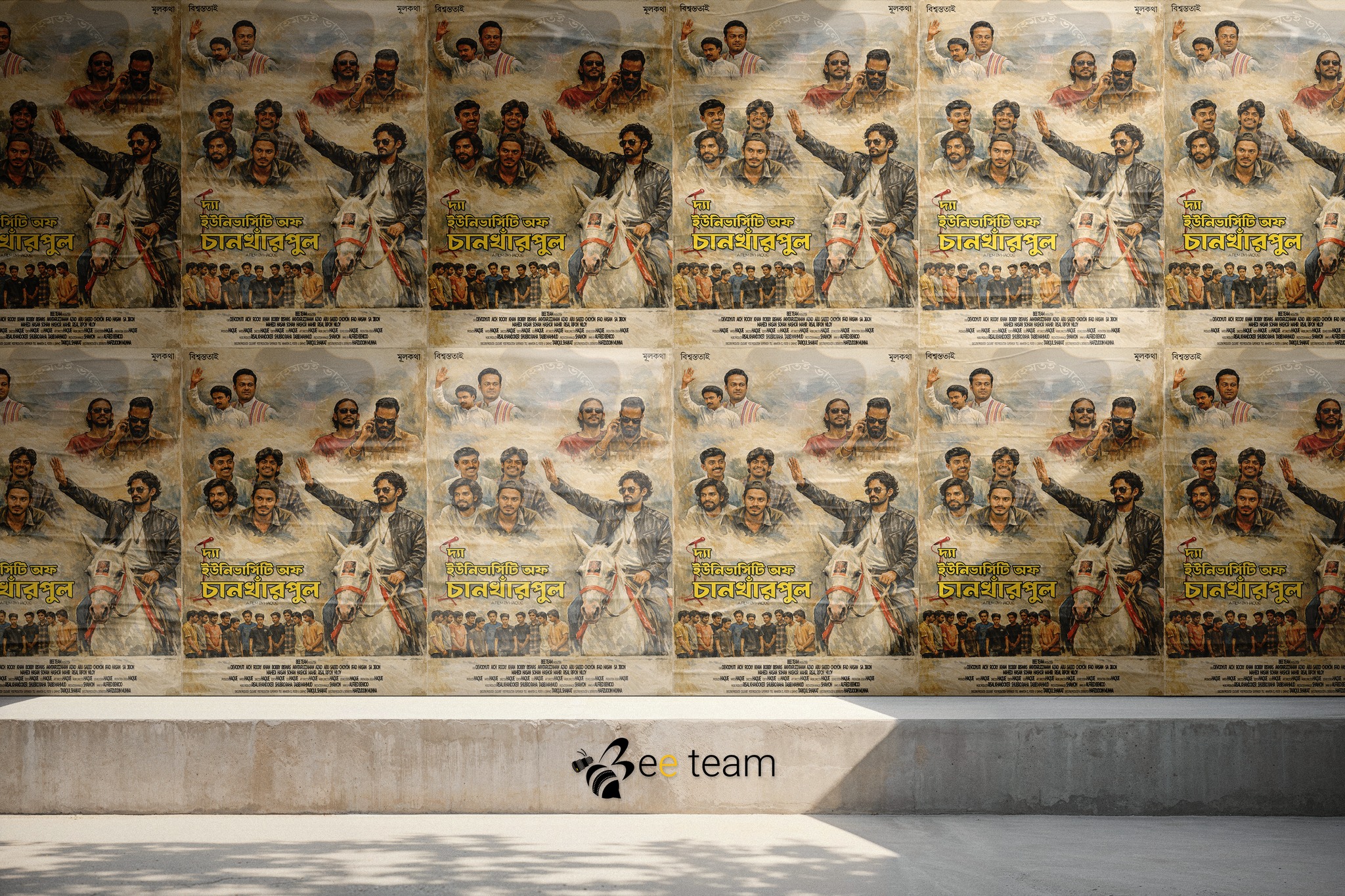
“If we released the film outside Eid, we would have needed a huge marketing budget just to let people know the film exists,” he explained. “For independent filmmakers like us, that pressure would have been enormous. With that amount of money, we could probably make another film.”
Instead, the team chose Eid because audiences are already focused on cinema during the festive season. “People naturally pay more attention to films during Eid,” he said. “There’s discussion, excitement, media coverage — and audiences actually want to go to theatres.”
At the same time, Haque stressed that the film was never designed to be inaccessible despite its artistic roots. “We tried to maintain the artistic value while still making something audiences could emotionally connect with,” he noted.
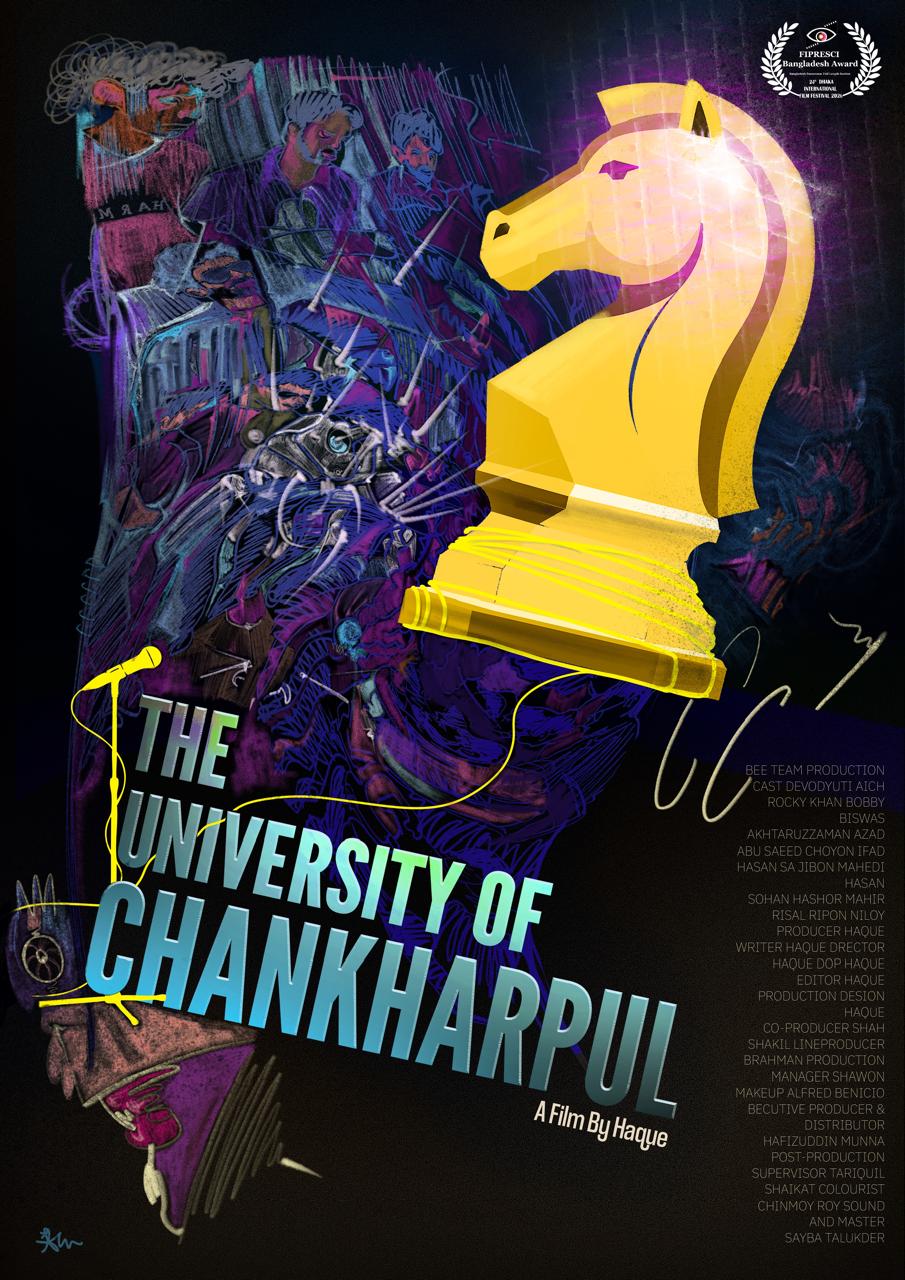
Confidence around the film grew significantly after its festival screenings, particularly at the Dhaka International Film Festival, where audience turnout exceeded expectations.
“There were people standing during screenings because seats ran out,” Haque recalled. “At another screening venue, spaces that hadn’t been used for years had to be cleaned so more people could sit and watch.”
Those responses convinced the team that the film deserved a wider theatrical audience. After winning awards at two festivals, the filmmakers revisited the technical aspects of the project, redesigning the sound and refining the colour grading for a stronger cinema experience.
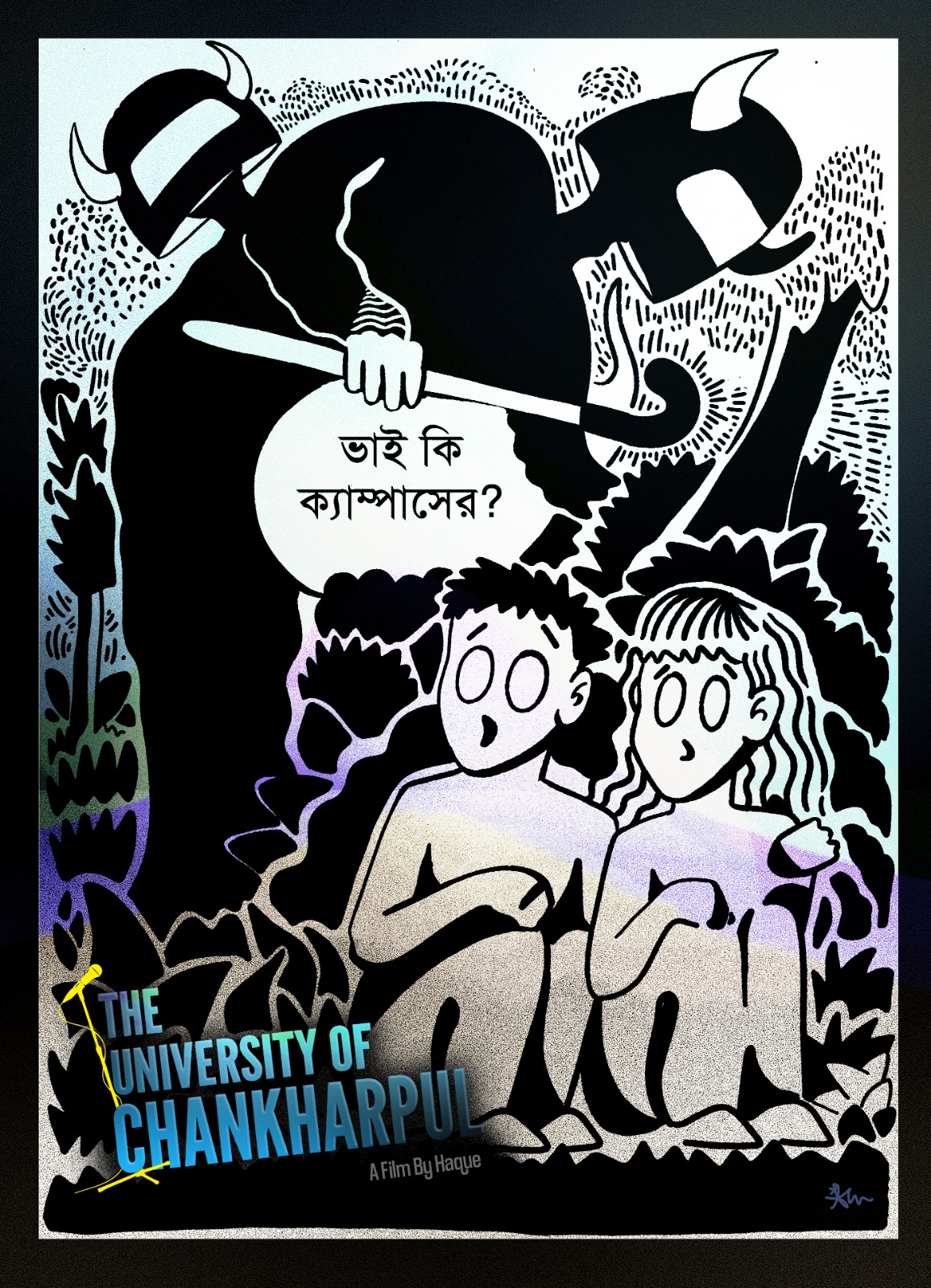
“We realised the film could reach more people if we elevated the theatrical experience properly,” he said. “Some of the best technicians in Bangladesh helped us with the final sound and colour work.”
One of the film’s most distinctive features is its cast, made up almost entirely of fresh faces, many of whom come from theatre backgrounds and the Theatre and Performance Studies department at the University of Dhaka.
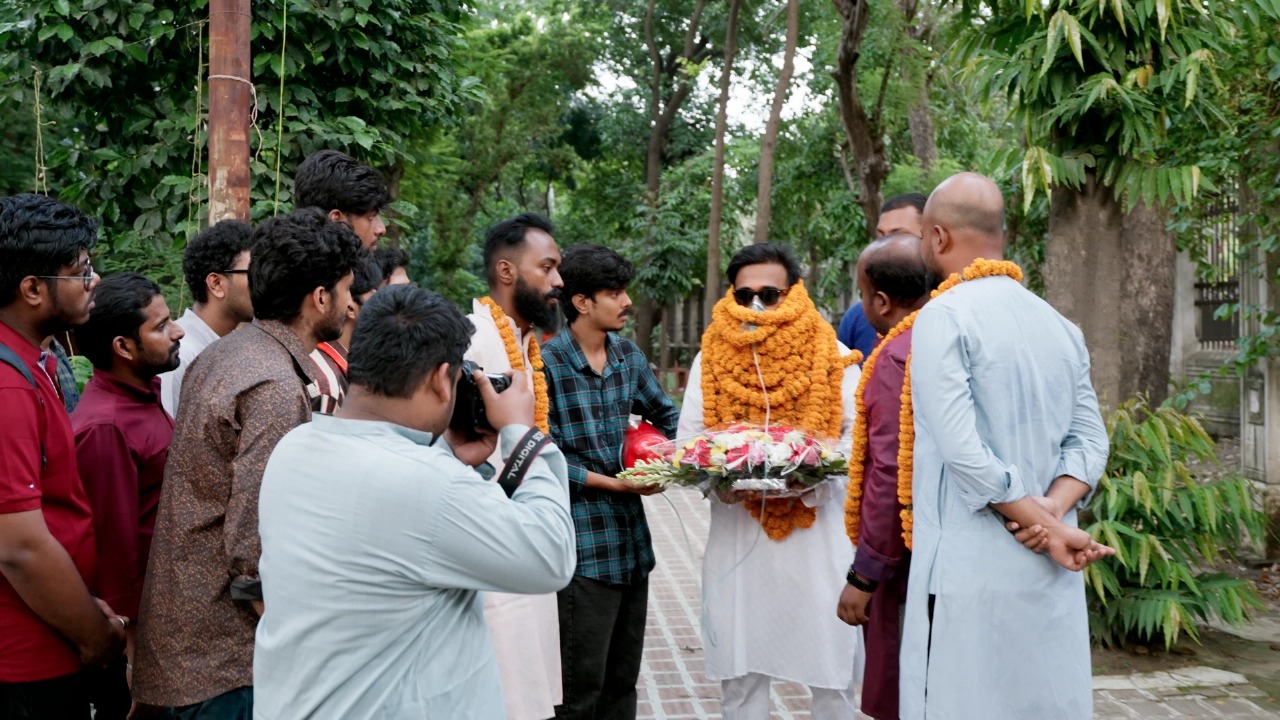
According to Haque, that decision was entirely intentional.
“We wanted unfamiliar faces because the story itself feels very original,” he explained. “When audiences see established stars, they already carry certain expectations into the film. We wanted viewers to fully believe in these characters and this world.”
The director also described the film’s visual approach as deeply rooted in realism. Rather than relying on stylised cinematography or dramatic camera movement, the team chose a more observational style.
“We placed the camera almost like someone quietly witnessing events from a distance,” he said. “The goal was to make audiences feel present inside the environment rather than simply watching scenes unfold.”
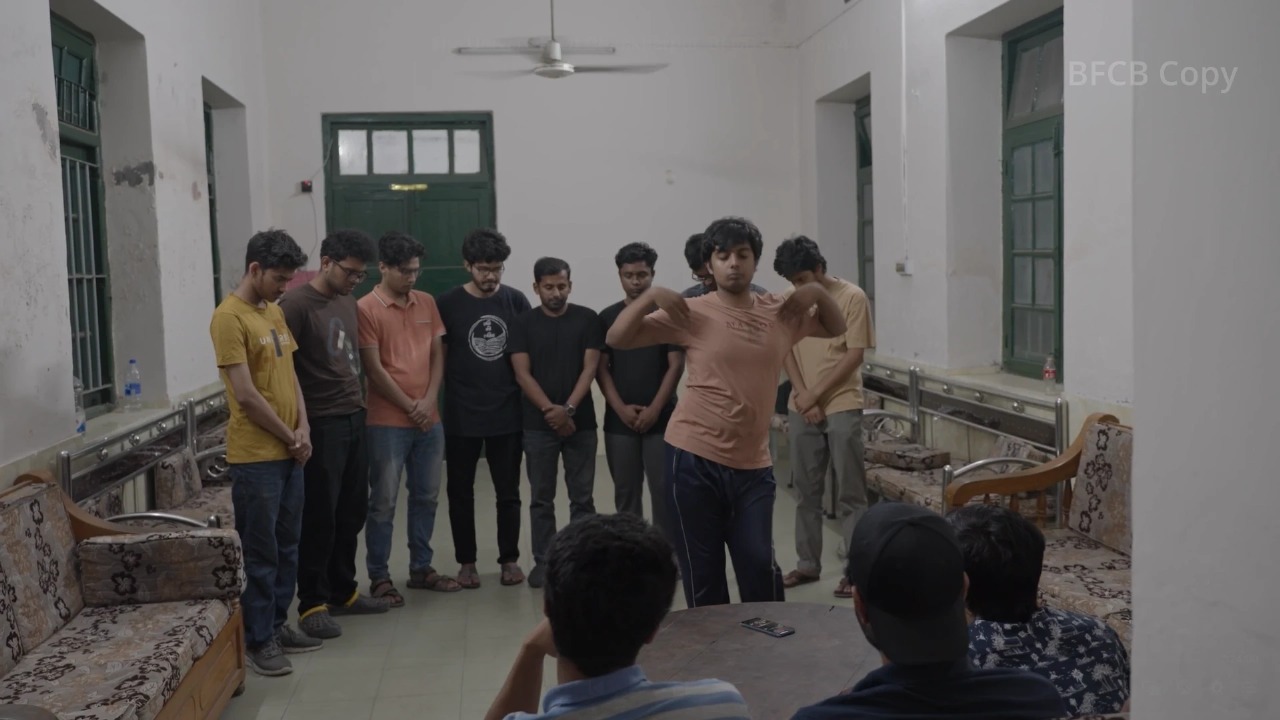
The production also used real locations with archival significance, something Haque believes adds authenticity impossible to recreate artificially.
“People have heard stories about these events for years,” he said. “But visually, nobody has experienced them this closely before. We tried to recreate that atmosphere honestly.”
Despite its realism and artistic language, Haque insists the film remains highly engaging for audiences. Festival screenings showed strong crowd reactions, with viewers remaining fully immersed throughout.
“The theatrical experience will feel very unique,” he said. “The humour, tension, and audience interaction all work collectively in a cinema hall.”
 For all latest news, follow The Daily Star's Google News channel.
 The filmmaker also highlighted the screenplay as one of the production’s proudest achievements. “We won Best Screenplay against some very strong competition,” he added. “We tried to create a cinematic language that feels fresh for Bangladeshi audiences.”
Looking beyond his own release, Haque expressed optimism about the entire Eid lineup. He mentioned “Bonolota Sen”, “Roid”, and “Rockstar” among the films he is personally interested in watching.
“I want every Bangladeshi film to do well,” he said. “At the end of the day, if audiences continue supporting strong stories, good cinema will always find its place.”
Comments