


Main Vaapas Aaunga: A quiet film about going home found its way through Bollywood’s noise

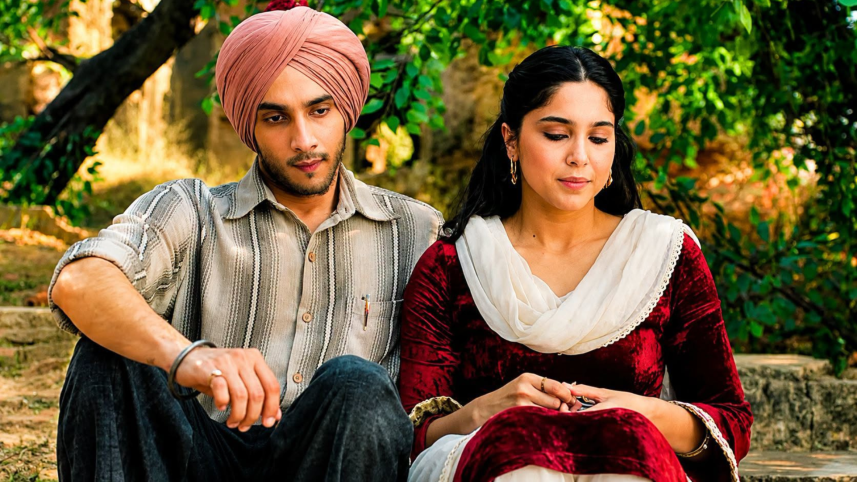
Main Vaapas Aaunga opened on June 12 without the usual insurance a Hindi film leans on today -- no franchise name, no trailer war cry, nothing resembling scale.
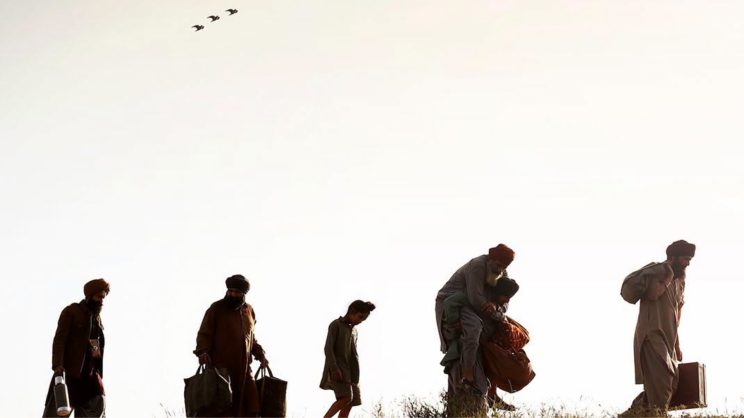
Director Imtiaz Ali instead offered the story of a 95-year-old man losing his memory and a grandson trying to take him back to a Punjab now divided by a border the old man can barely remember.

By the logic of recent Bollywood box office, that should have sunk it. At first, it nearly did.
Then word spread, and the film began to outlive an opening weekend that seemed to have sealed its fate, with just over INR 5 crore collected in three days.
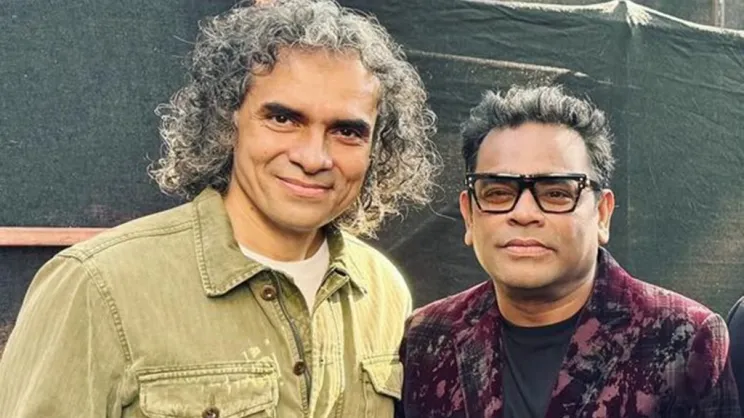
Much of that is due to Ali’s storytelling, which has long been drawn to characters struggling to reconcile where they are with where they feel they belong.
Here, that idea is stripped down to its simplest form: an old man wants to return to the land he left behind, where his teenage love may or may not be waiting, and his grandson must get him there before memory fails him or time runs out.
Ali makes the premise work through patience and observation, allowing the relationship to carry the film rather than pushing it towards a dramatic payoff. The result is sentimental, but never embarrassed by its own sentiment.
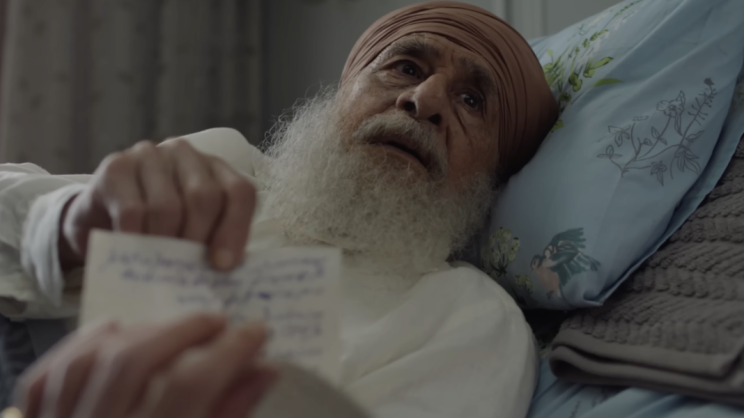
While actor-singer Diljit Dosanjh provides able support, Naseeruddin Shah gives the film its emotional centre. As the grandfather, he brings fragility and mischief to a character whose memory loss could easily have been reduced to a device for manufactured tears. Instead, Shah gives him a life beyond the film -- someone who feels as though he has lived long before we met him.
The music adds another dimension. AR Rahman’s score becomes its own emotional language, its spaciousness suited to Ali’s unhurried rhythm. Irshad Kamil’s lyrics complete the mood. After two decades of writing for Ali, he understands his vocabulary of longing, and “Tere paas main” feels like an extension of the story rather than an interruption.
Two more details linger. The Bangla lines like “chokher bhasha keu bujhe na” in the song “Dariya” carry the shadow of 1947 from Punjab into Bengal. Then the end-credit song, set against images of wars across the world, expands one man’s longing for home into something universal.
Before completing its eight-week theatrical run, the film had earned close to INR 100 crore worldwide, including over INR 20 crore overseas, making it the eighth highest-grossing Hindi release of the year.
That figure is worth setting against the kind of cinema that has dominated the Indian box office in recent years.
RRR offered mythic, operatic nationalism on a scale few films could match. Animal built its appeal around a possessive, violent masculinity that was widely criticised as misogynistic. The Dhurandhar duology has crossed INR 3,000 crore worldwide with a spy saga criticised for its proximity to government propaganda and reliance on jingoistic sentiment.
Taken together, these films may differ in plot, but their appeal largely rests on the same things: spectacle, aggression and exaggerated masculinity.
That makes Main Vaapas Aaunga’s performance more interesting than the numbers alone; a reminder that Bollywood’s older instincts -- unhurried storytelling, unembarrassed tenderness, music that belongs to the story, actors given room to inhabit their characters -- have not disappeared after all.
Its theatrical life may have been only the beginning. The film arrived on Netflix on August 7, reaching an audience far larger and more dispersed than any theatrical run could.
Someone in a small Indian town who never got a convenient showtime can now watch it, as can Punjabi or Bengali households with elderly members from pre-Partition era in New York, London, Toronto or Islamabad and Dhaka.
None of this means Bollywood has lost its appetite for rage and spectacle. But Main Vaapas Aaunga offers a useful counterpoint: a film opens quietly, audiences find it, they tell others, and those people keep it alive.
Across a South Asia where ultranationalism has found a comfortable home in popular cinema, that may be the most encouraging thing about its unusual afterlife.
It is a poignant reminder that a film does not always need to shout to be heard. Sometimes, a good story, a great actor, a beautiful song and the simple promise of going home are enough.
 For all latest news, follow The Daily Star's Google News channel.
Comments