


Folk culture is on the verge of extinction: Mamunur Rashid
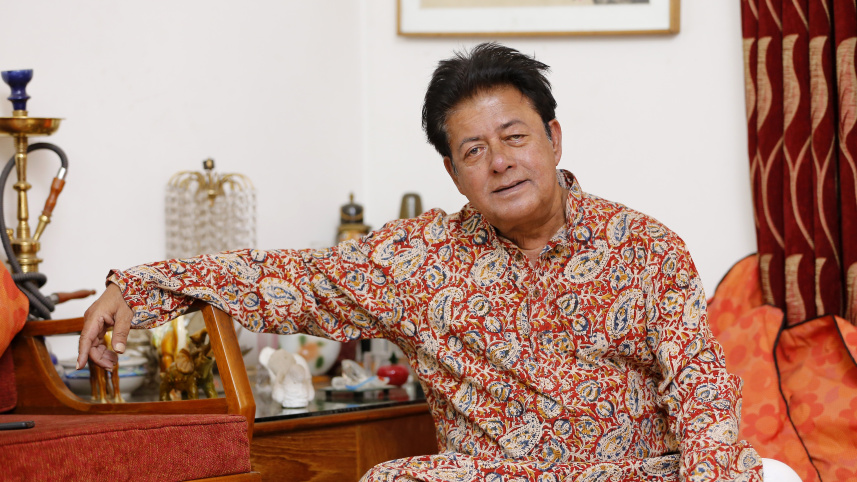
At his Dhanmondi residence, veteran actor and playwright Mamunur Rashid, sits with the quiet assurance of a man who has spent more than half a century shaping the soul of Bangla theatre. Widely regarded as one of its driving forces, his work has long bridged the emotional landscapes of audiences across both sides of Bengal.
In his plays, stories of soil and people unfold with an unforced sincerity, reflecting lives, struggles, and truths that feel both intimate and universal. His theatre has not only resonated at home but has travelled far beyond, carrying Bangla narratives to stages across the world.

His journey as a director began in February 1972 with “Kobor”, the iconic play by Munier Chowdhury. Since then, his enduring commitment to theatre has produced a remarkable body of work, with numerous stage plays leaving a lasting cultural imprint.
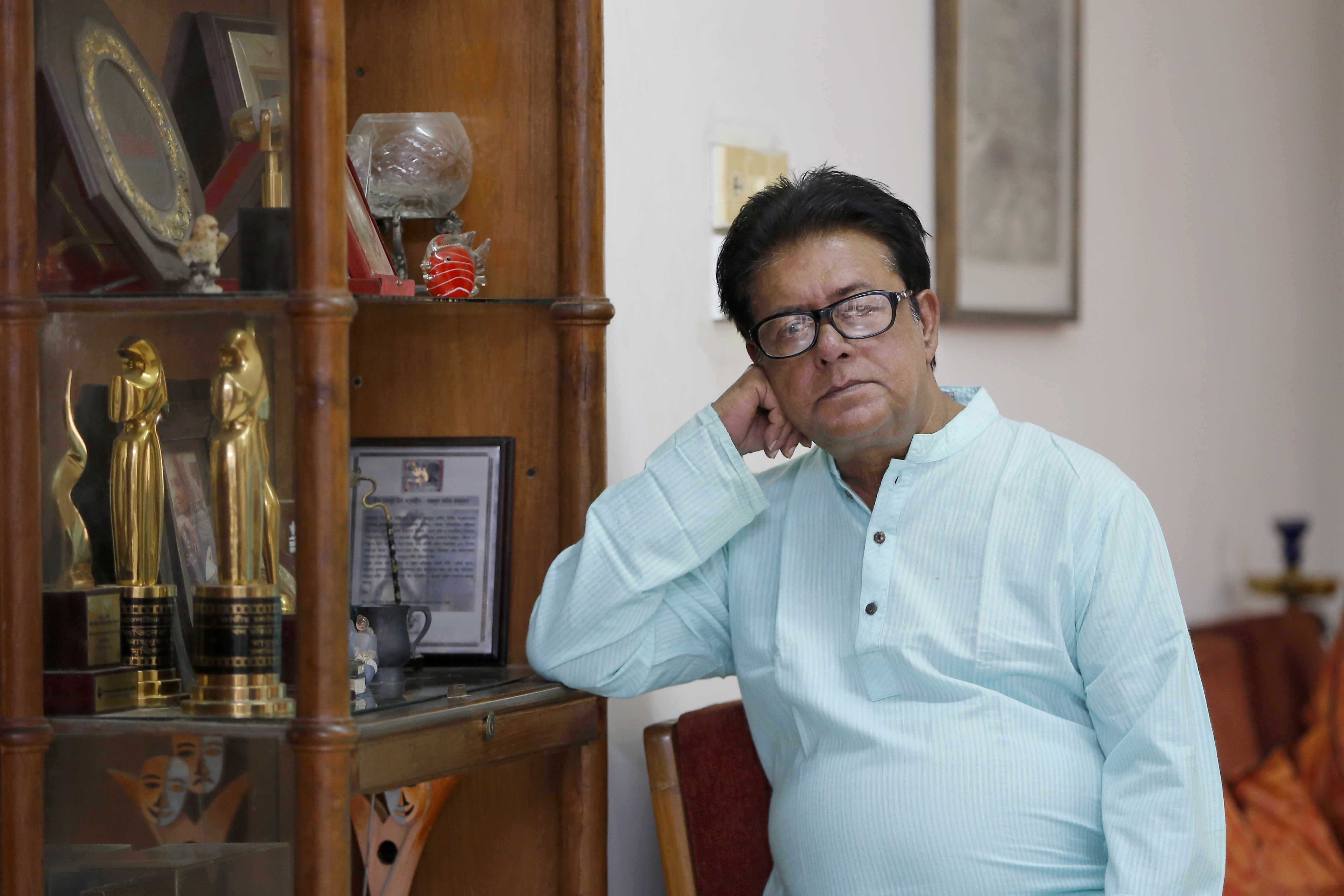
Even today, he remains tirelessly engaged—writing, acting, and directing with the same conviction that first brought him to the stage. A recipient of the Ekushey Padak, he once declined the Bangla Academy Award despite being honoured for his literary contributions.
Recently, in a conversation with The Daily Star, he reflected on a life devoted to theatre—one that continues to evolve even after five decades.
At the outset, speaking about his current thoughts on art, Mamunur Rashid emphasised the need for an environment of free thinking. Cultural practitioners, he said, must have the space to express themselves openly. Platforms across theatre, recitation, fine arts, and music should grow under the leadership of artists themselves, free from partisan influence, allowing independent thought to flourish.
On form and content, he observed that while content can be international, form must remain rooted in national identity. He pointed to towering figures such as Lalon Shah, Rabindranath Tagore, Kazi Nazrul Islam, Sukanta Bhattacharya, Jibanananda Das, Shamsur Rahman, and Al Mahmud, noting that their timeless works remained grounded in national forms.
Expanding on his philosophy, he spoke about the idea of “Mongol” (well-being), rooted in traditions like Mongol Kabbo and broader cultural thought, often emerging in times of crisis. The wish for human well-being, he said, is universal. Referring to debates around expressions like Mongal Shobhajatra, he described the disregard for people’s cultural consciousness as deeply unfortunate.
On the current state of theatre, he acknowledged a period of stagnation. Performances by the troupe Desh Natok were halted due to mob disruptions, prompting strong protests. “We held rallies,” he recalled, adding that the situation is now gradually improving, with audiences returning and new productions emerging.
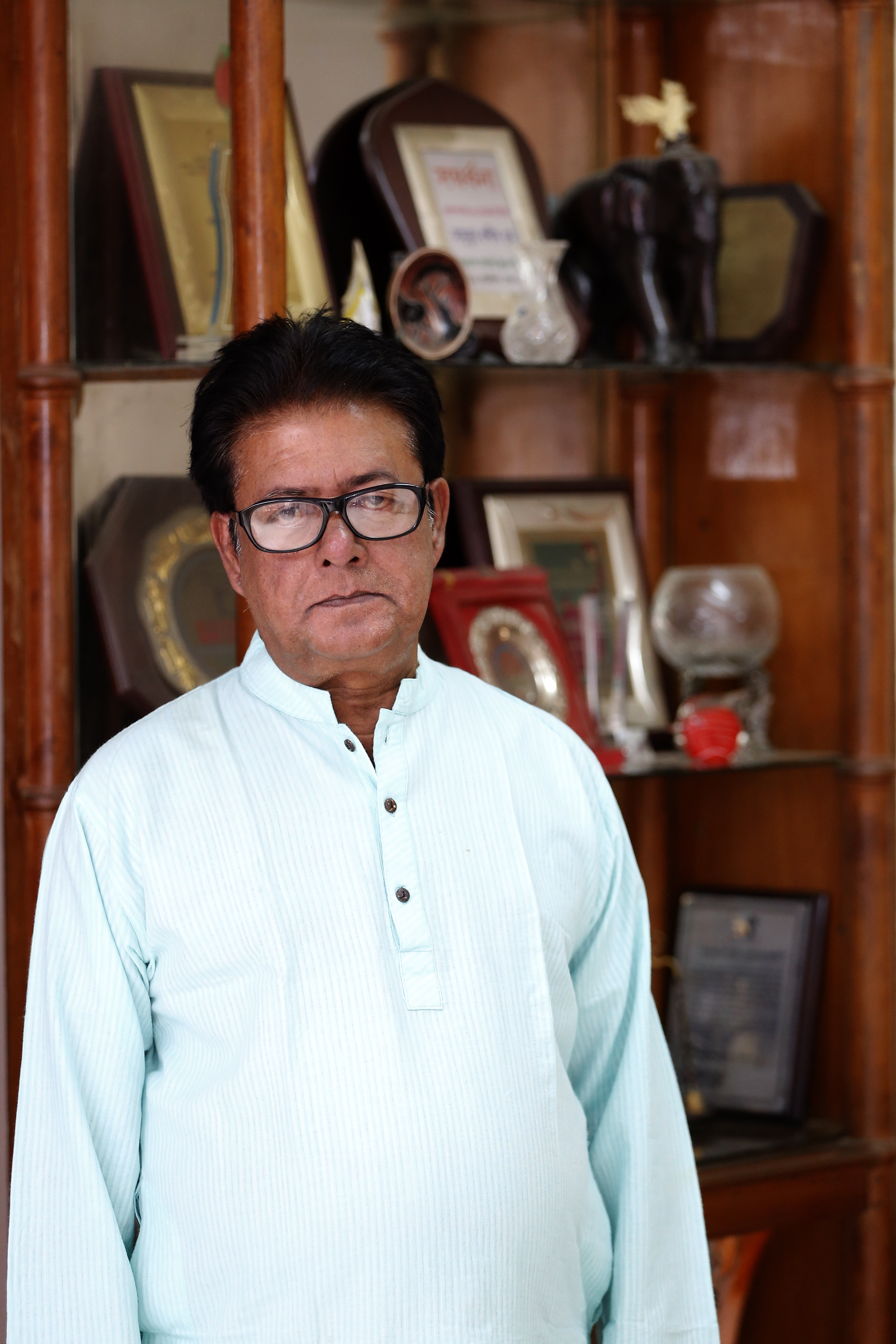
Discussing expectations from the government, he stressed the need to preserve classical art forms. Folk culture, he warned, is on the verge of extinction and must be protected. Theatre cannot survive on ticket sales alone, he said, calling for greater financial support and infrastructure. Highlighting the capital’s urban reality, he noted that areas like Mirpur, despite large populations, lack even a single theatre, while Uttara, Gulshan, Banani, and Dhanmondi also need dedicated spaces.
He also expressed concern over the scarcity of libraries, theatres, and cinema halls, urging greater state attention. In many developed countries, he observed, libraries are widespread and often include performance spaces. Drawing from his experiences in cities like New York City and Dallas, he said such environments help nurture young minds and encourage positive thinking.
Reflecting on a sense of incompleteness, Mamunur Rashid said, “I still feel that I haven’t been able to write a truly good play or deliver my best performance. That feeling never leaves me.” It is this very sense, he added, that drives him to remain immersed in the pursuit of new creations.
On the strong audience turnout for Eid films this year, he welcomed the trend of people returning to cinemas. “Families are going to theatres together again. This is a very positive sign for the film industry,” he said.
Comparing theatre in Bangladesh and West Bengal, he noted that while Bangladesh has made significant progress, theatre culture remains more widespread in West Bengal, where performances are held regularly across cities and rural areas, offering artists consistent opportunities.
Reflecting on taking productions to Kolkata, he said that his troupe Aranyak Natya Dal is widely recognised there. “We have staged plays many times, and they have been well received. My directed productions have earned high praise in Kolkata,” he said.
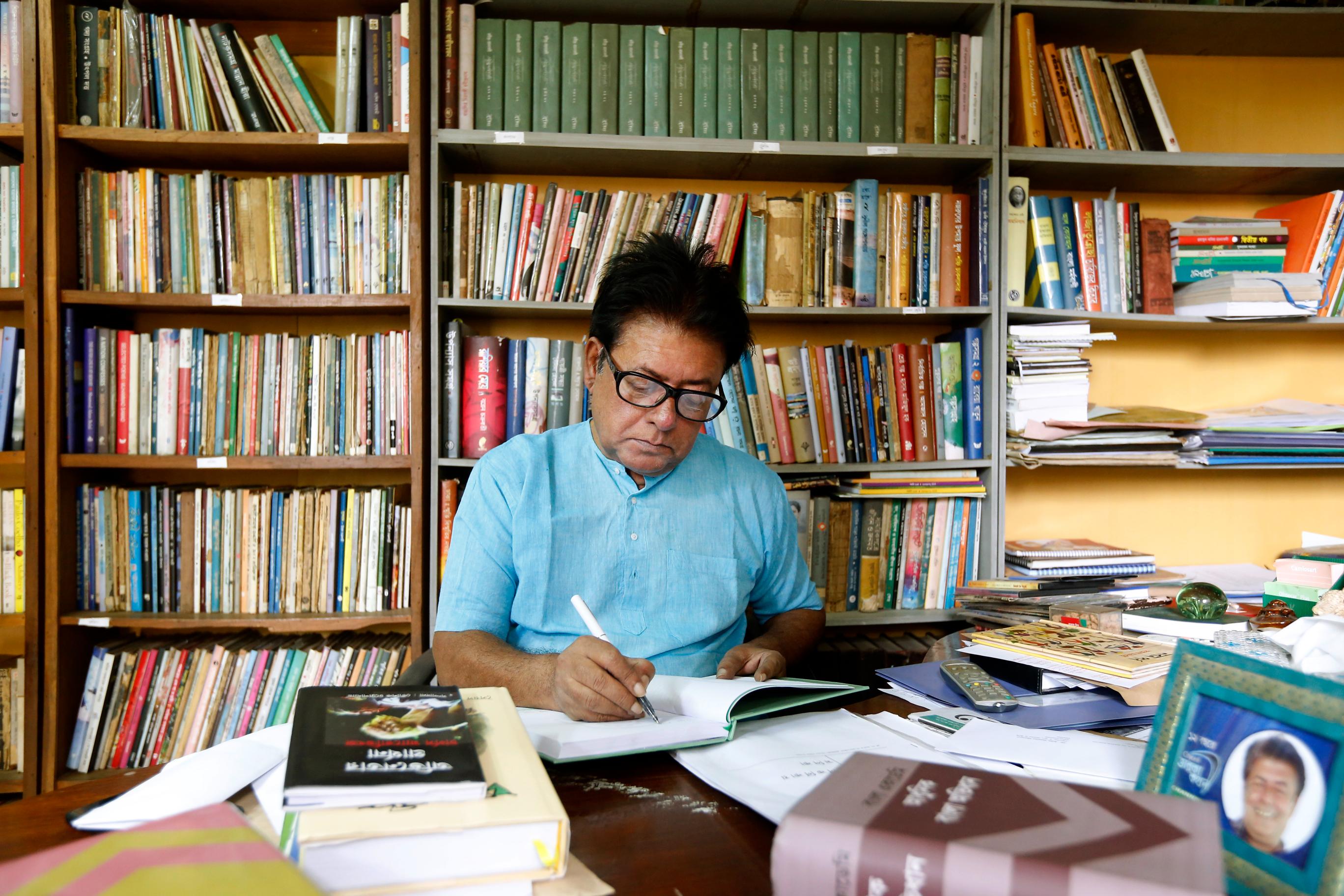
Addressing the younger generation, he underscored the importance of reading. “People must read. To lead a healthy and meaningful life, reading is essential—it should be part of everyday life,” he concluded.
 For all latest news, follow The Daily Star's Google News channel.
Comments