


Rupantor: The ReSonance Show makes a comeback

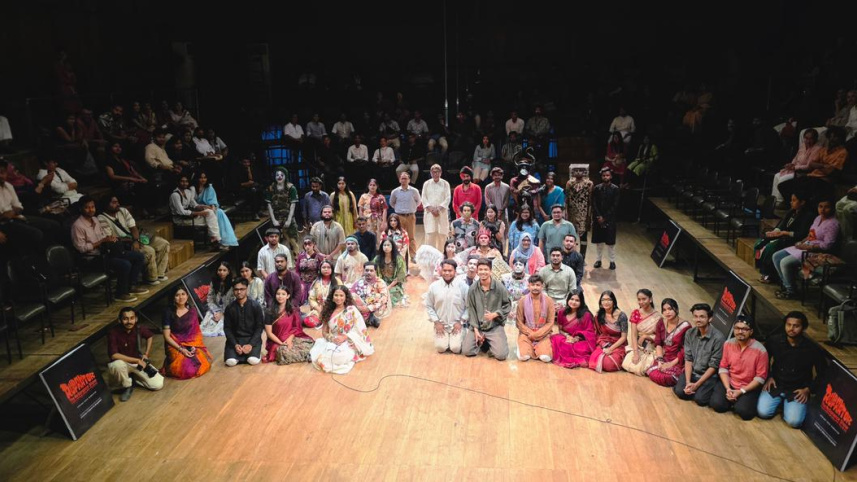
National consciousness, or the collective awareness among people who share the same identity, culture, history, and territory, sounds quite positive. Especially for Bengali people, who have always taken pride in protecting and feeling united in their culture, language, and patriotism. But everything positive has a negative side. And that is what the students of ULAB set out to show on April 18, as they turned the stage of Shilpakala into a mirror for society once again.
“Rupantor: The ReSonance Show,” the culminating presentation of the Department of Media Studies and Journalism’s Spring 2026 curriculum integration, made a comeback last Saturday with the theme “The Pitfalls of National Consciousness”.

Throughout the semester, students engaged deeply with the idea that national consciousness, when detached from the social and political liberation of ordinary people, can become a tool of exclusion, narrow nationalism, and elite self-interest. They translated this into visual and performative language—through film, photography, masks, installation, performance, and conceptual art. What unfolded on stage was not simply a showcase of student creativity, but a collective manifesto of resistance.
The show itself traced its roots back to “Trashion Show,” launched in 2022, but organisers made it clear that this was never just about costume or spectacle. From the beginning, the work was about protest, reconstruction, and the possibility of rebirth through art. Under the guidance of artist and teacher A.F.M. Moniruzzaman Shipu, that practice has now grown into a distinct art form with its own evolving identity.
The evening also saw the presence of notable figures. Among the distinguished guests were Professor Dr Suman Rahman, head of the department, and celebrated actor, director, writer, and cultural icon Afzal Hossain, who attended as the chief guest.
The show featured 8 teams, each presenting a story based on how national consciousness can be distorted or misused. “Candidate” followed an ordinary woman who resists social pressure and builds her own identity beyond gender norms. “Ethereal” showed how personal demands are framed as rights, even when they harm others. “Enlightenment” explored how power structures divide revolutionary movements, leaving change incomplete.
Other performances were equally impactful. “Living Canvas” highlighted the struggles of tea workers facing exploitation, while “Broken Unity” questioned a justice system influenced by power and connections. “Warriors” portrayed freedom as an illusion controlled by unseen forces. “Capybara” focused on breaking blind pride through awareness. “Underrated After Death” delivered a tragic story of a misunderstood man killed by mob violence, referencing the tragic story of Tofazzal who was killed by students over alleged theft.
Together, these pieces revealed the range of concerns the students chose to confront: class oppression, state power, hypocrisy, violence, manipulation, false patriotism, and the distance between rhetoric and justice. The performances did not offer easy solutions. Instead, they invited the audience to sit with discomfort and to recognise how nationalism, when stripped of humanity and critical thought, can be weaponised against the very people it claims to protect.
A total of 32 students, divided into eight groups, participated in the show. Behind the stage presentation stood a larger team of coordinators, choreographers, costume designers, media and graphics members, makeup artists, photographers, mentors, and hosts, all contributing to an artistically charged programme.
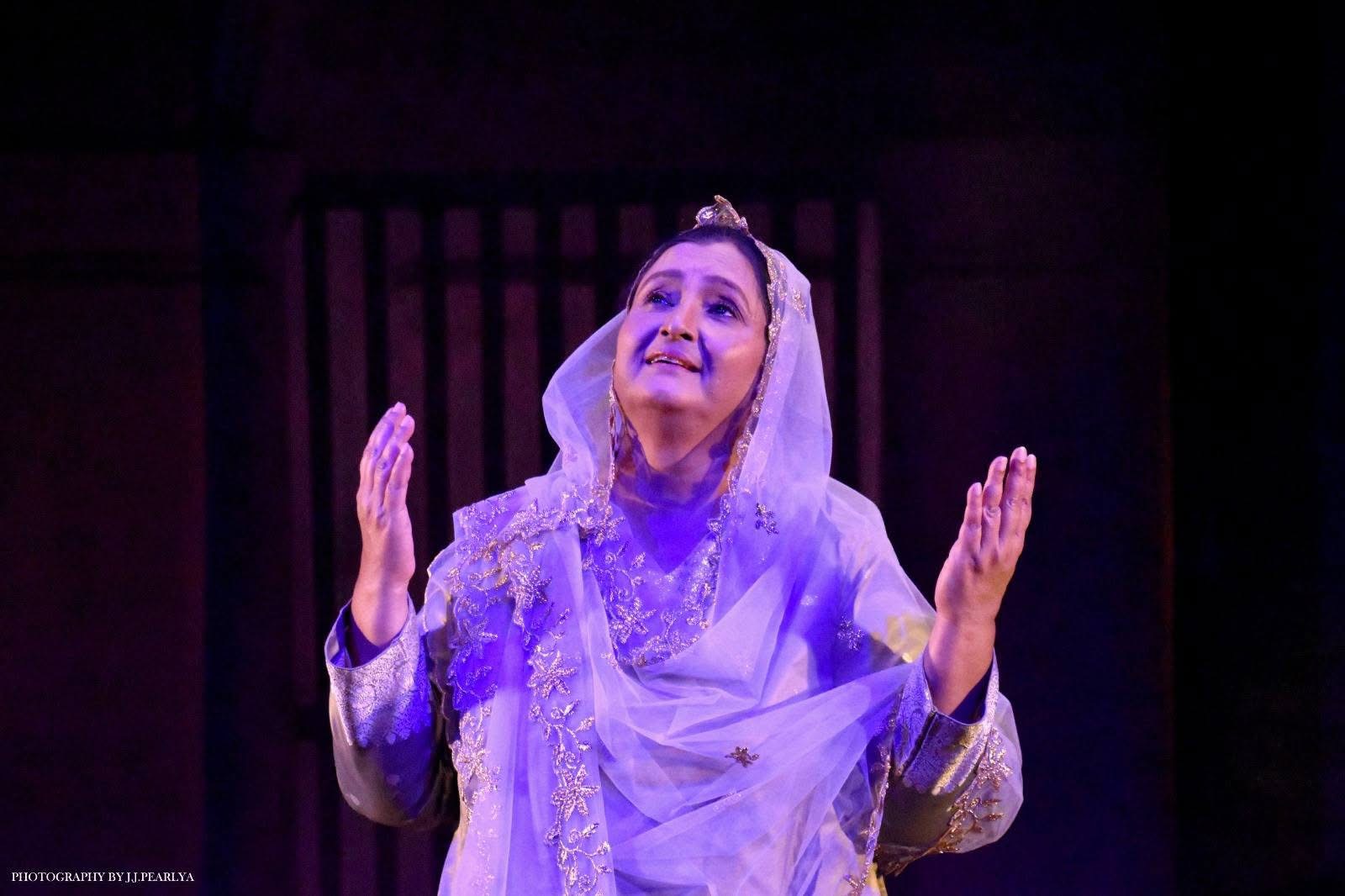
“Rupantor: The ReSonance Show” was not designed merely to entertain. It asked what happens when art takes national consciousness apart, examines its fractures, and rebuilds it through protest, questioning, and imagination. The show stands as a voice against oppression.
 For all latest news, follow The Daily Star's Google News channel.
Comments