


Razz’s redemption

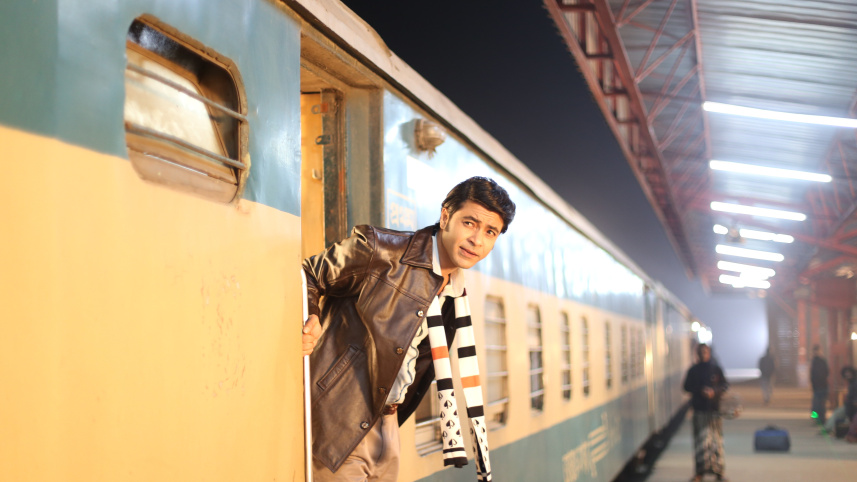
Sariful Razz is not the kind of actor who settles. Across a career that has taken him from the modelling ramp to some of Bangladesh’s most talked-about films including “Hawa”, “Poran”, “No Dorai”, “Insaaf” and now “Bonolota Express”, he has consistently defied the expectation that a successful actor must find a lane and stay in it.
In an exclusive interview with The Daily Star, the actor reflects on his layered role in “Bonolota Express”, the struggles behind his success, and why his hunger for great cinema remains far from satisfied.

When Sariful Razz first read the novel “Kichukkhon” by Humayun Ahmed, on which “Bonolota Express” is based, he felt something stir in him. “When I read the book, the characters were described very beautifully,” he recalls. “Reading it felt very comfortable because I wasn’t seeing Humayun Ahmed sir’s other characters in front of me yet. I was reading them fresh.”
But comfort gave way to challenge once the cameras rolled. Dr Ashhab, the soft-spoken and emotionally restrained physician, was unlike anything Razz had played before. “This doctor is a little different,” he explains. “He has an understanding with his mother, a personal conflict in his backstory, and then a meaningful romance with Chitra. I really enjoyed the shooting.”
The character’s quiet complexity demanded a very different physicality as well. The director asked Razz to appear completely clean-shaven, a look far removed from his usual screen presence. “I hadn’t trimmed my beard in a long time, so it felt a little strange at first,” he admits with a smile. “But as we started working, I gradually understood why the director wanted it this way. I think this could become a classic film someday.”
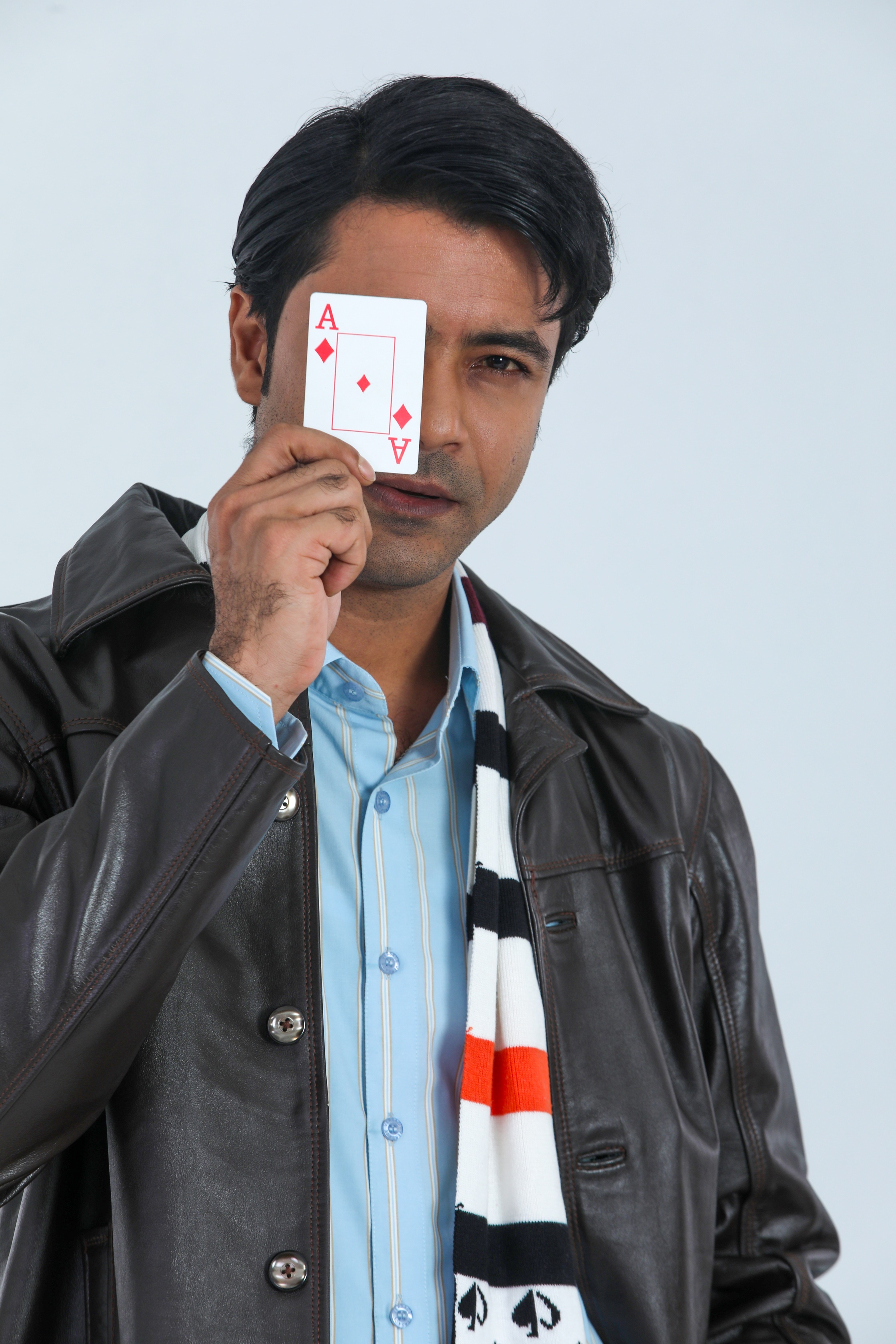
One of the most charming elements of Dr Ashhab’s character is his passion for magic tricks. Razz did not simply mime the craft. He actually learned it. “Two people helped me,” he says. “My writer Shadhin, and Nehal, Sabila’s husband. Nehal is actually a much better magician than I am. He helped me a great deal.”
It is a detail that speaks to a broader truth about how Razz approaches his work. “I simply listen to my directors, observe them, and try to deliver what they want from me,” he says. “If I have any talent of my own, I think it exists because of the directors. The credit goes fully to them.”
Over the course of his career, Razz has collaborated with some of Bangladesh’s most prominent filmmakers, including Raihan Rafi, Tanim Noor, Mejbaur Rahman Sumon, among others. Each collaboration has pulled something different out of him, and he has developed a clear philosophy about how that works. “From the very beginning of a shoot, I place my trust in the director,” he says. “My belief system and my basic instincts work toward understanding what the director wants, how they see the film, and how they envision my character.”
For “Bonolota Express”, directed by Tanim Noor, that trust proved decisive. “I believe the biggest contributor to this success is Tanim Noor,” Razz says with conviction. “He made a well-crafted film. Our tagline was ‘100% Pure Bangladeshi Cinema’ and I think those who have seen the film have now found the reason behind it.”
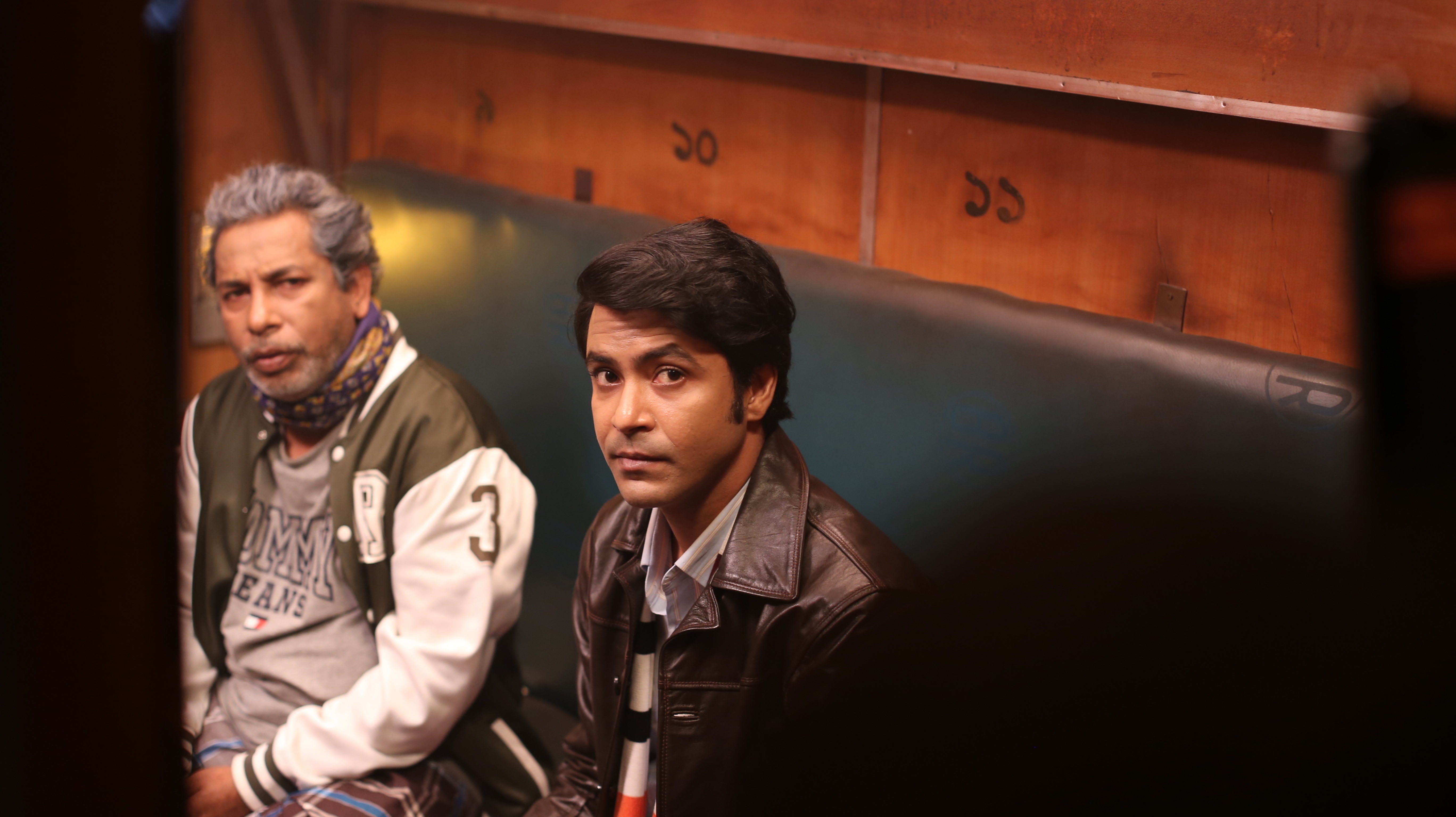
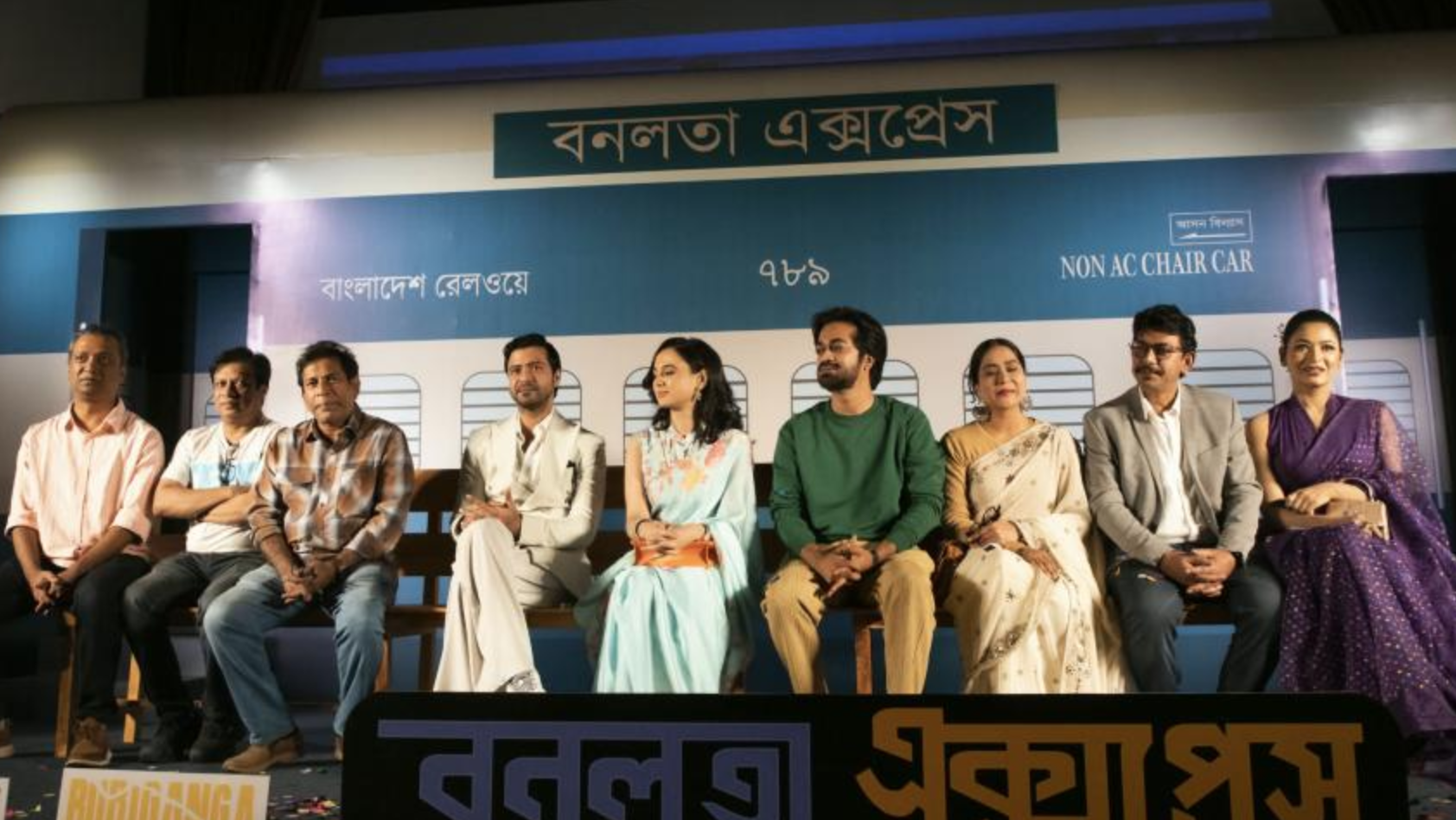
Razz appreciates and highlights the role of the ensemble cast of “Bonolota Express”, which includes Mosharraf Karim and Shamol Mawla alongside his co-star Sabila Nur. “When I was shooting, I could see Chitra in front of me. She truly was that Chitra,” he says. “Looking at Mosharraf bhai, it felt like he really was a mathematician. Every artiste, even those in smaller roles, made a big impact. That is the magic. Small things become something very significant.”
He reserves particular praise for one unexpected standout. “Nitu made a huge impact,” he says. “Our magic lies precisely there.”
“Bonolota Express” is by any measure an unconventional Bangladeshi film. Its entire story unfolds over the course of a single night aboard a train. It was on paper a risk. But for Razz, risk is nothing new. “The risk-taking didn’t start here,” he says firmly. “I made ‘No Dorai’, I made ‘Hawa’. I never wanted to get stuck in one pattern.”
He elaborates with clarity. “I never wanted to be limited to one space, not just commercial films and not just art-house films. I can do commercial cinema just as comfortably as I can do an off-beat film.”
“Bonolota Express” has been running successfully in cinemas, with shows selling out in the United States, Canada and Australia. “When family audiences are enjoying it this way, I feel that I have succeeded in the purpose and vision with which I made the film,” he says quietly. “People are talking about it, discussing it, critiquing it, and the majority are enjoying it.”
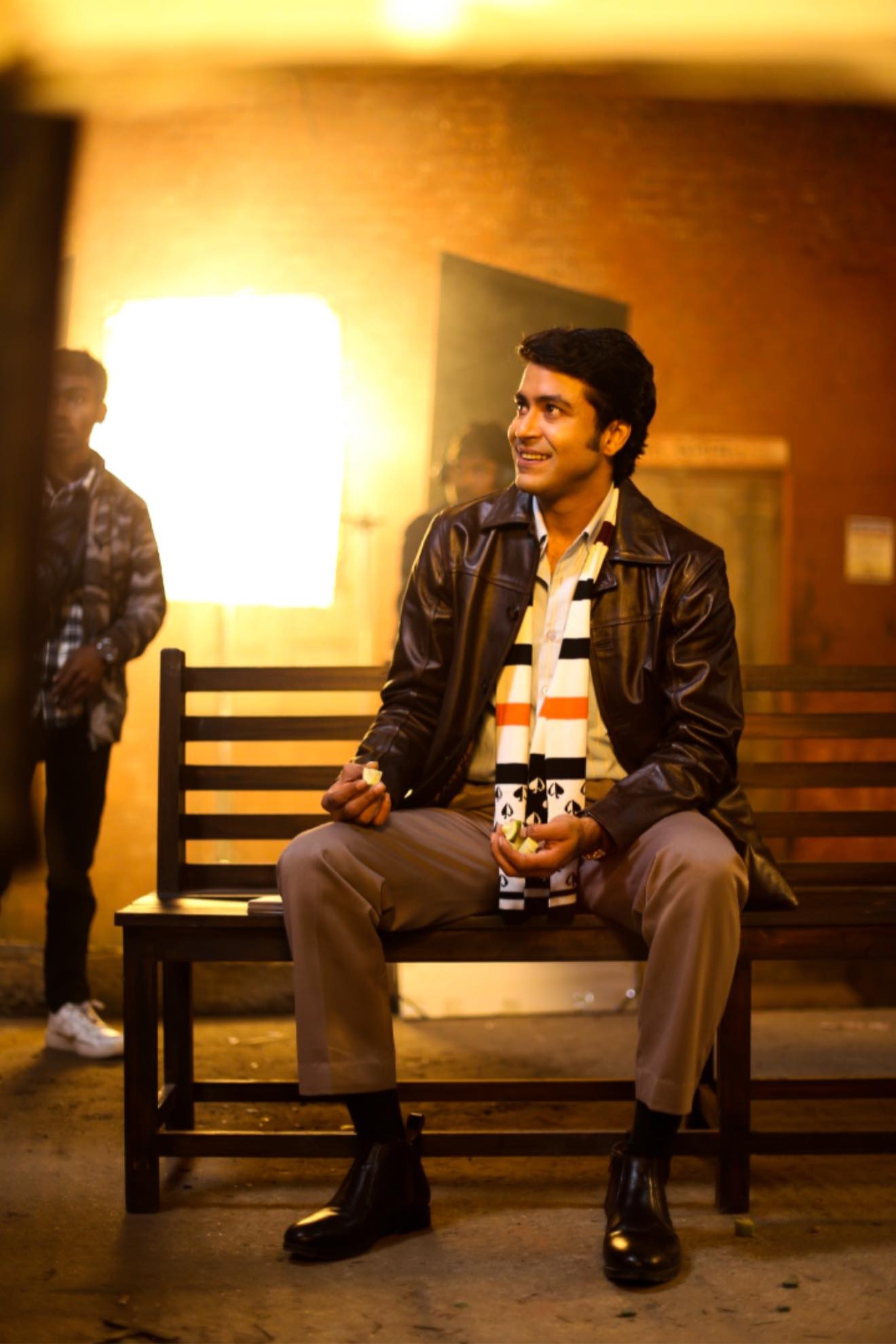
Despite the acclaim, Razz is unwilling to declare any singular milestone as his defining achievement. Asked whether any character he has played feels larger than life, something audiences will remember forever, he pauses thoughtfully. “There are many memorable characters. Ibrahim from ‘Hawa’, Roman from ‘Poran’, Boishakh from ‘Deyaler Desh’,” he says. “But even now, I feel like my hunger is not fully satisfied. There is a sense that I still want more.”
That hunger, he believes, is rooted in the struggles that shaped him. “When you go after something truly good, you have to suffer for it equally,” he reflects. “I am genuinely grateful for those struggling days. Behind any achievement, hard work and patience must exist.”
Looking ahead, the actor is already working on his next project, a film called “Jibon Opera”, written and directed by Alvi Ahmed. He will star alongside actress Bidya Sinha Mim. “We are working in what you could call a parallel universe genre, something rooted in reality but reaching beyond it,” he says, clearly enthused. “The writer-director is very talented. I have even read one of his books. I feel that this is another very different kind of story and a new genre. I believe that once it is released in theatres, people will really like it.”
For an actor who has made a habit of surprising his audience, that quiet confidence feels entirely earned.
 For all latest news, follow The Daily Star's Google News channel.
Comments