


Music and play keep us human — our schools need them more than ever


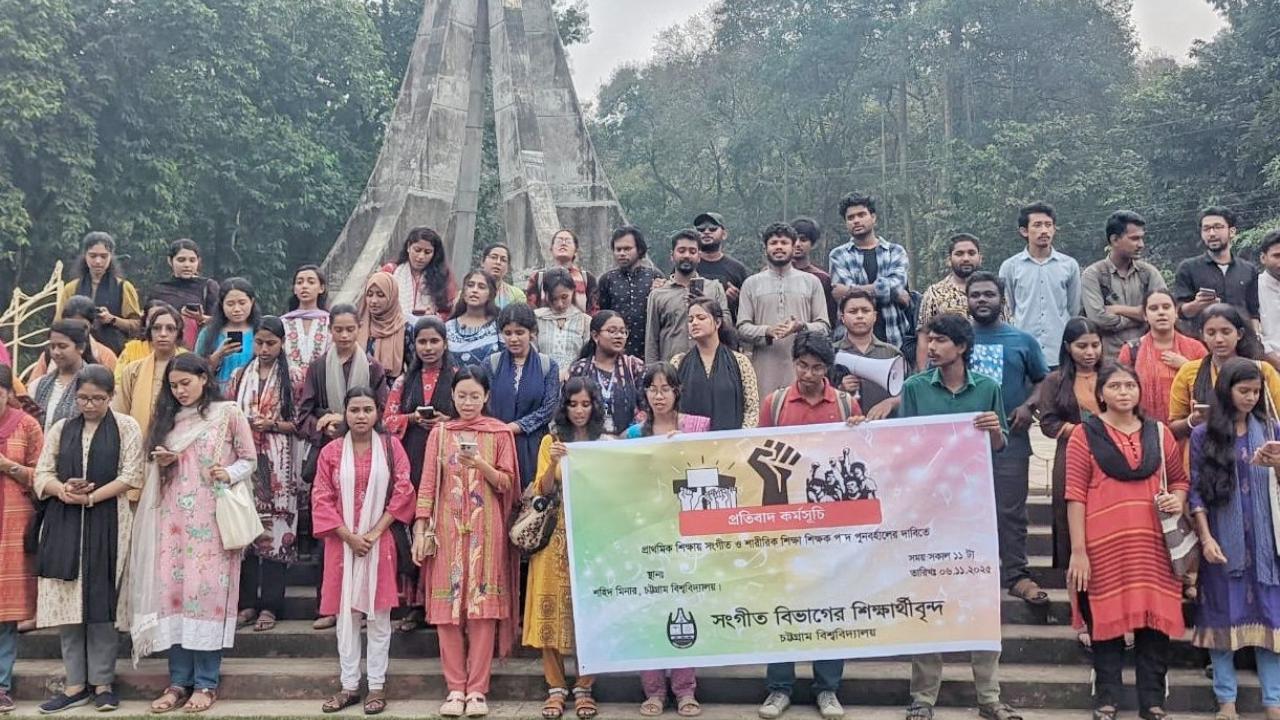
A recent decision by the interim government to halt the appointment of music and physical education teachers in government primary schools in Bangladesh is a worrying sign on many fronts.
As the country undergoes a process of policy changes to reform various sectors of public administration, it is imperative to remember to uphold democratic principles in all that we do, and that the best interests of common people remain at heart throughout.

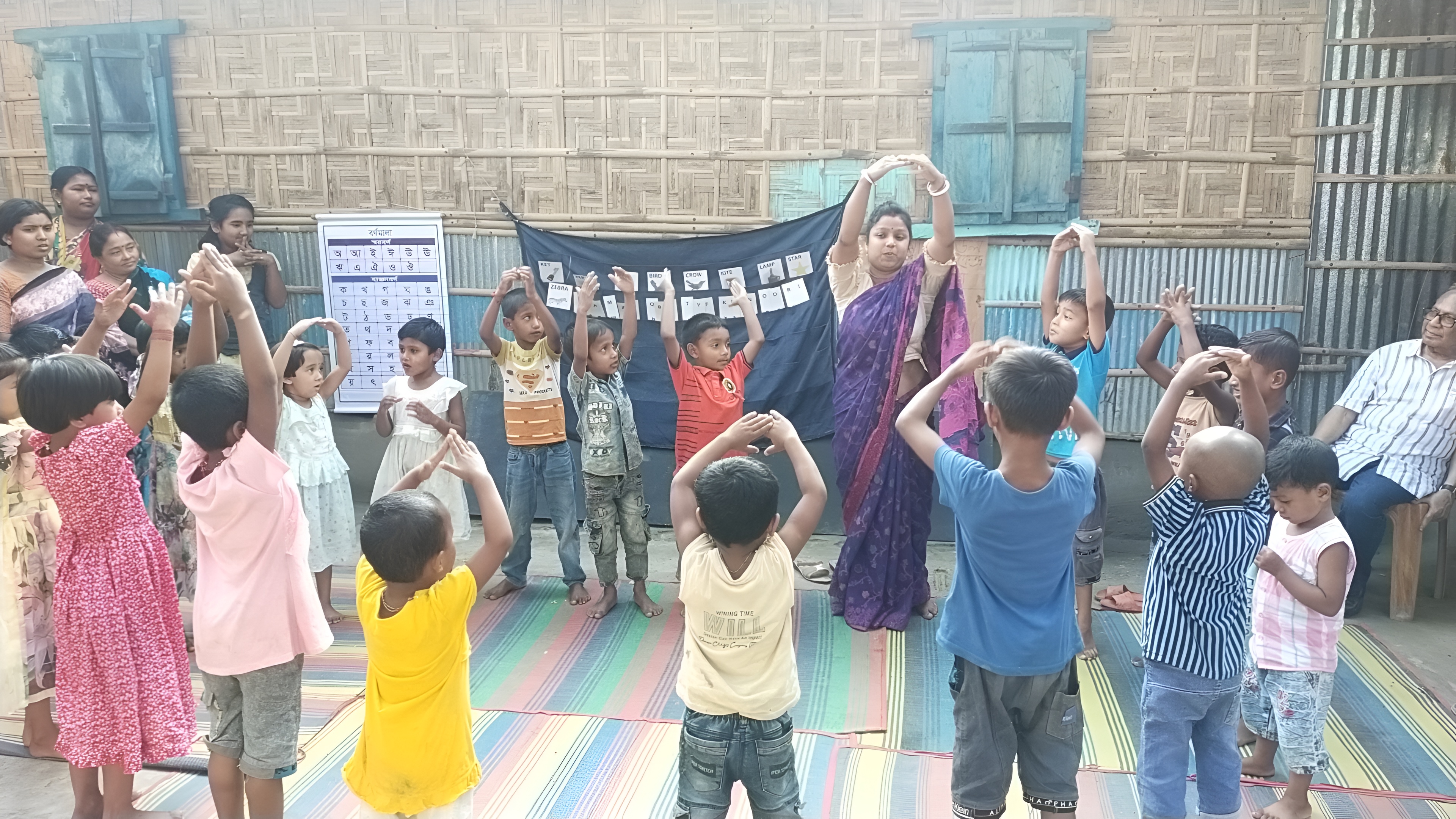
Music and physical education are important parts of the school curriculum – they help create well-rounded individuals who are disciplined, creative and knowledgeable about their own culture. At a time when many youth suffer from mental health issues, music and sports are two areas which can freshen students' minds and provide them with creative outlets which can be a welcome break from the pressure of more academic subjects.
Music education is prevalent in Kuwait. Since the establishment of public education in Kuwait, all school students have been required to attend a music class once a week. In 1958, they formed the Music Education Supervisor Office and launched a formal school music curriculum. In Turkey, music is a mandatory subject in public primary schools. They have revised their primary music curriculum as recently as 2007 to incorporate newer approaches in teaching methodology aimed at improving students' creativity.
The quality of public school education in Bangladesh is already alarming and standards fall behind other comparable countries. Making decisions which further take away creativity and critical thinking skills in students, making them more dependent on rote memorisation, can be an unfortunate move which further worsens the quality of our education.
This move may also create social inequalities. With many lower middle class and middle class households in Bangladesh choosing to enrol their children in public education, moves like these will further differentiate the schooling experience children receive due to their socioeconomic background. This further stratifies our already highly socially stratified society where children have vastly different educational and childhood experiences based on their family's income levels. Being able to learn music or play sports should not become a class issue.
Music and sports are very important aspects of Bangladeshi culture. Our traditional music is rich and is an important part of cultural celebrations and our everyday life. Be it the folk songs sung across the country, lullabies sung by parents to children, or songs sung at weddings, traditional music in Bangladesh encapsulates our everyday life and connects past and present generations with knowledge of familiar tunes. Preserving the works of Nazrul, Tagore and countless other stalwarts of music and art is our duty as citizens to preserve the richness of our culture.

Bangladeshis take immense pride in the success of our national cricket teams. The success of male and female sports teams in recent times reflects Bangladesh positively on the global stage. How are we supposed to discover the great athletes of the next generation who can positively portray Bangladesh 30 years in the future if we do not allow them to play now?
Bangladesh is a democracy, and secularism is enshrined in our constitution. A divisive move which deepens class divides and deprives our children of a happier school experience which allows them to explore their full potential or imagination cannot be welcomed as a democratic decision. The school curriculum should uphold Bangladesh's culture and art, as that is what unites us all as citizens regardless of social class or personal belief. If the interim government wishes to promote ideals of democracy, it must think about what each Bangladeshi child has a right to access.
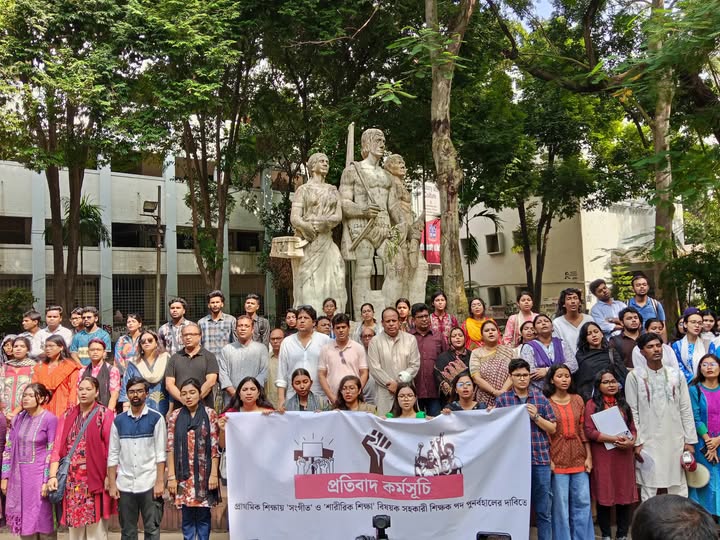
The interesting aspect of the issue at hand is that other countries which are Muslim-majority do not seem to have banned music or sports in their schools. Rather, they are incorporating music to create a holistic curriculum which produces well-balanced citizens of their country.
In Malaysia, music education is an important part of their national curriculum. The revised Primary School Standards-based curriculum (KSSR) aims "to provide a holistic education that fosters intellectual, emotional, spiritual, and physical development" among students.
Music education is prevalent in Kuwait. Since the establishment of public education in Kuwait, all school students have been required to attend a music class once a week. In 1958, they formed the Music Education Supervisor Office and launched a formal school music curriculum. In Turkey, music is a mandatory subject in public primary schools. They have revised their primary music curriculum as recently as 2007 to incorporate newer approaches in teaching methodology aimed at improving students' creativity.
While other countries work to preserve their heritage and create knowledgeable and well-balanced future citizens, Bangladesh should not make a move which will further deteriorate the quality of public school education and help erode the unifying cultural values and experiences that unite us as Bangladeshis.
In the spirit of reforms, we must not forget to appreciate what existing policies have worked well – not every policy needs to be reassessed. Many subjects have served students of the country well for decades and encouraging debates about each existing practice may start a slippery slope where we undo past progress we have made.
We have huge strides to make to improve our national curriculum. Appointing educational researchers to modernise the curriculum, funding extracurricular activities, empowering teachers through continuous training, and improving the payscale are among many steps that can improve our public education. Taking away from existing subjects and activities from an already limited host of offerings, however, is anything but progress.
Mrittika Anan Rahman is a Lecturer in the Media, Communication and Journalism (MCJ) programme at North South University (NSU).
 For all latest news, follow The Daily Star's Google News channel.
 Send your articles for Slow Reads to slowreads@thedailystar.net. Check out our submission guidelines for details.
Comments