


Old clothes, new stories
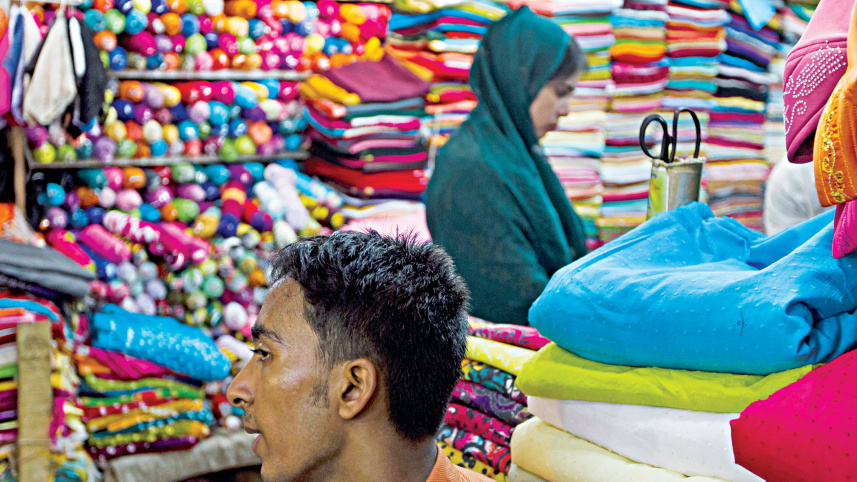
Currently in Dhaka’s shopping scene, the trending word is pre‑loved -- a positive, stylish term for second‑hand, used, or vintage clothing. You could call it the polished cousin of the hand‑me‑downs we grew up with.
Back then, most families relied on hand‑me‑downs: clothes, shoes, or personal items passed from older siblings or cousins. Over time, that practice has evolved into something eco‑friendly and chic, embraced by younger urbanites determined to keep wearable textiles out of landfills and to push back against fast fashion.

It was the most natural thing mothers did. Their thought was simple: why throw away a hand‑embroidered baby frock when your cousin could wear it? Without realising it, they taught us that continuity of affection is what today’s slow fashion is about -- turning reuse into a conscious choice.
In pre‑loved boutiques, garments are curated and tagged with their past: “worn once at Eid,” “from a boutique collection.” Here, reuse is reframed as sustainable chic, appealing to youth who want uniqueness with eco‑friendly flair.
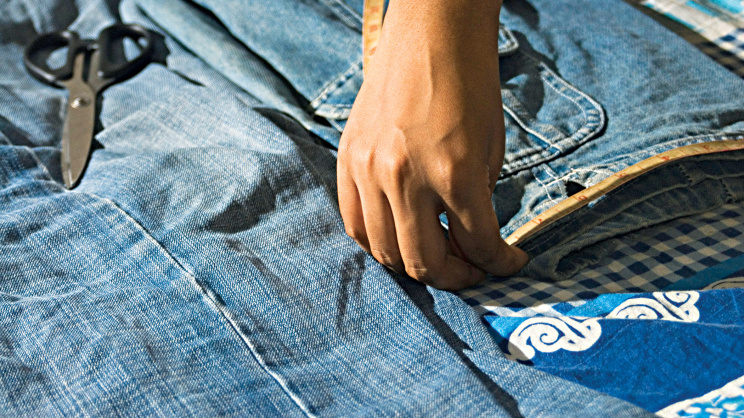
Hand‑me‑downs carried nostalgia: an elder sibling’s shirt, a kurta with a brother’s scent, a schoolbag softened by years of use. When I was getting married, I couldn’t part with my little hoard of trinkets -- bits of metal, glass, beads, silver. As a quiet rite of passage, I passed them on to my teenage cousins, letting them carry forward what I had cherished.
I re‑stitched my dadi’s blouse, its fabric rust‑stained with age, and wore it anyway. It felt like wrapping myself in her love -- a woman I never met, who passed before my parents even married. In that moment, the cloth was more than clothing; it was a quiet embrace across generations.
These are not mere hand‑me‑downs or pre‑loved items; they are fragments of affection life carries forward.
Then there is Dhaka’s anonymous thrift culture. Thrift shopping means buying second‑hand goods -- clothing, shoes, accessories -- from shops or platforms that resell them affordably, with a focus on reuse and sustainability. It’s about giving items a second life instead of letting them go to waste.
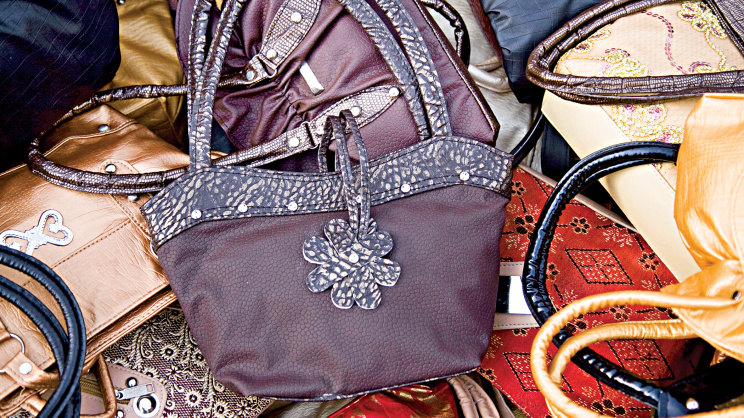
Unlike garment vans parked along busy roads, selling surplus export rejects, brand‑new yet cheaper than anything in a stall, thrift shopping is practical and immediate. But it lacks the narratives of hand‑me‑downs or the identity of pre‑loved. Put simply, thrift is a fashion‑focused second‑hand marketplace.
The Thrift Market is Bangladesh’s first dedicated, fashion‑focused second‑hand platform. Founded by Adila Tasbi Labiba, it filled a gap in the country’s reuse culture. “Facebook decluttering groups existed, but they were scattered and unreliable. Thrift Market offers a proper platform where people can buy and sell clothing, shoes, and accessories in a streamlined way” Labiba explains her business idea.
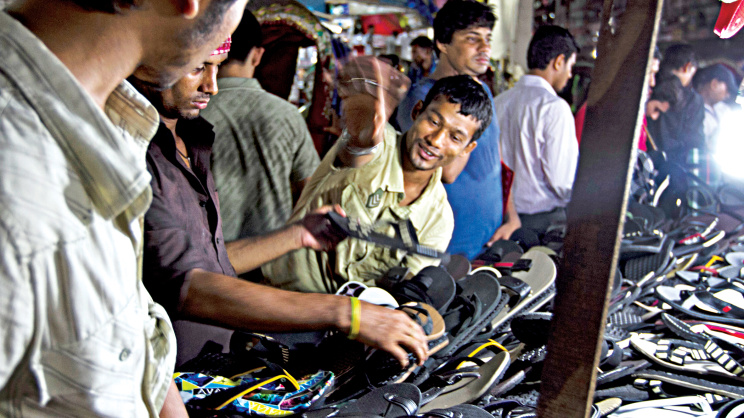
The process is simple: users register as buyers or sellers through the app. Sellers open their own store, list items, and once a sale is made, the platform arranges pickup and delivery through riders. Packaging instructions are provided, so sellers don’t manage logistics themselves. Unlike traditional thrift stalls or informal groups, Thrift Market doesn’t collect or resell items directly, it acts as a mediator, ensuring trust.
Dhaka’s second‑hand story stretches across decades. Hawkers once walked the lanes calling out “Purana kapor ache?” -- offering utensils in exchange for old clothes, which they repaired and resold in a grassroots cycle of reuse.
In the years just after Liberation, second‑hand clothing for middle‑class families was less about reducing waste and more about survival. Saving money was the priority, not fashion, and Nixon Market became a hub for imported used garments -- denim, jackets, and winter wear that kept households afloat.
Together, these layers trace the city’s evolving relationship with clothing. What began as necessity has become identity, where fabric is never just fabric, but memory, dignity, and style woven into everyday life.
 For all latest news, follow The Daily Star's Google News channel.
Comments