


A martyr of poetry and patriotism

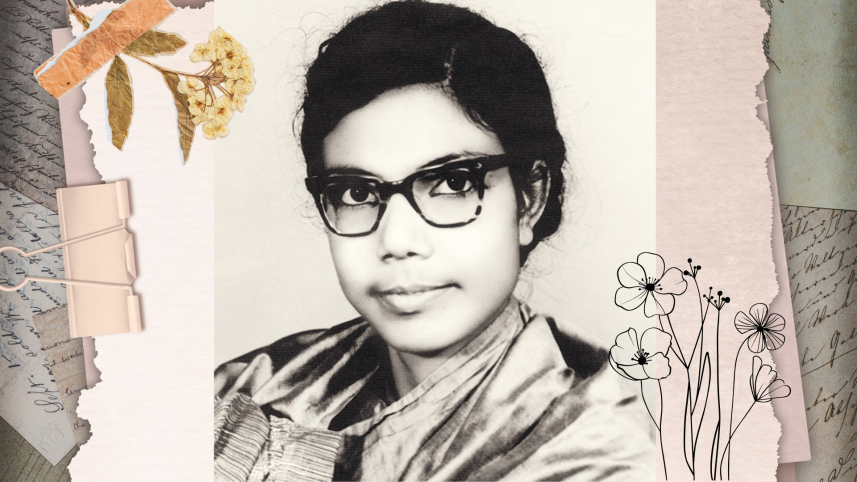
Meherunnesa's life, though brief, burned with rare intensity. A poet of fierce empathy and unyielding conviction, she emerged as a fearless voice during the turbulent decades leading to Bangladesh's independence. Born in 1942 in Khidirpur, she became a refugee after Partition and migrated to East Bengal with her family in 1950. Largely self-educated, she developed a poetic sensibility shaped by displacement, hardship, and resistance. Forced to abandon formal education at an early age to support her family, she worked at Bangla Academy, Radio Pakistan, and the USIS Library, carving out a life of letters against formidable odds.


As political tensions mounted in East Pakistan, her poetry underwent a decisive transformation. What began as tender reflection grew into sharp, uncompromising dissent. Her poem "Rajbondi", which carried the slogans Amader Dabi Mante Hobe (Our demands must be met) and Rastrabhasa Bangla Chai (We want Bangla as the state language), drew the attention of state surveillance as early as 1954. Yet she never softened her pen. At a time when Rabindranath Tagore was banned by the Pakistani authorities, she defiantly invoked Gitanjali and Geetbitan in her verse, asserting cultural freedom in the face of repression.

Her final poem, "Jonota Jegeche", was published on March 23, 1971, just days before anti-liberation forces brutally murdered her and her family. She was only 29. Yet Meherunnesa's life and death remain a testament to the power of poetry as resistance and to an unwavering love for her country.
 For all latest news, follow The Daily Star's Google News channel.
Comments