


Unhinged: The women we see online, the ones we are

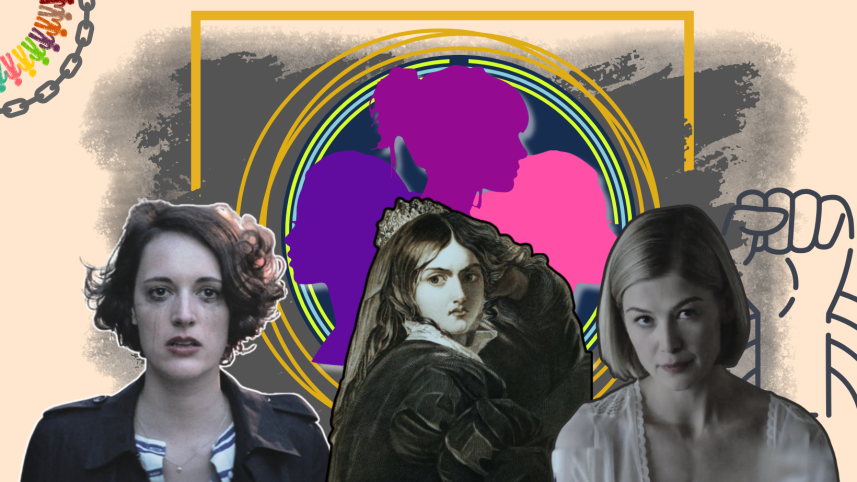
These days, when I scroll through social media, I notice a new pattern of content. Women are narrating their spirals, heartbreaks and burnouts. They speak directly into front cameras, unfiltered and mid-thought. Pop-art illustrations exaggerate the absurdities of gender expectations. This is not your usual polished, soft-lit beauty content. The women are performing the intrusive thoughts and the overreactions we usually censor before they leave our mouths. The humour is often absurd and occasionally cringe-worthy, yet I find it utterly compelling.
Under these videos, the same comments appear: “I like whatever is wrong with you”, “The only difference between me and her is that she posted the video”, or “I needed this”. This reflects a shared relatability among women, especially younger ones, from South Asia.

So what exactly are we relating to? Consider asking any woman from this region whether she has ever walked down a street and suddenly become conscious of her body—her pace, or whether her orna has shifted. Ask whether she has changed an outfit, not because she disliked it, but because she could already anticipate the commentary forming in someone else’s mind. Ask whether she has ever sat alone in her room and still felt observed.
That feeling has a name. Film theorist Laura Mulvey called it the male gaze, defining it as the habit of seeing women through a heterosexual male perspective, where a woman becomes an object to be looked at and consumed. Over time, that gaze moves inside us women. We begin to monitor ourselves even when no one is there.
As novelist Margaret Atwood once wrote, “You are a woman with a man inside watching a woman.” The sentence unsettles me. To be clear, wanting to be desired isn’t shallow. As humans, we all want connection and affirmation. Male validation becomes problematic when it becomes the measure of worth.
So what happens when a woman stops performing? When she is too loud or angry and refuses to soften her edges? She becomes “too much”. Or, for the sake of this piece, unhinged.
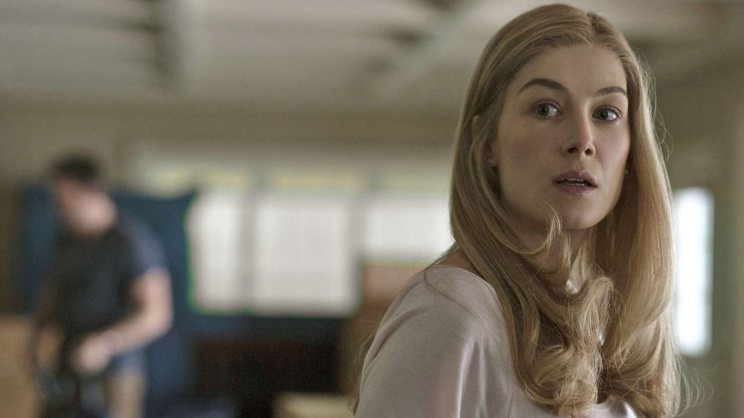
The unhinged woman has long fascinated Western literature and television. She can be found in “The Taming of the Shrew”, where Katherina’s sharp tongue and refusal to submit mark her as socially “mad”. She dominates bestsellers like “Gone Girl”, in which Amy Dunne performs the role of the perfect wife before revealing herself as the mastermind behind her own disappearance.
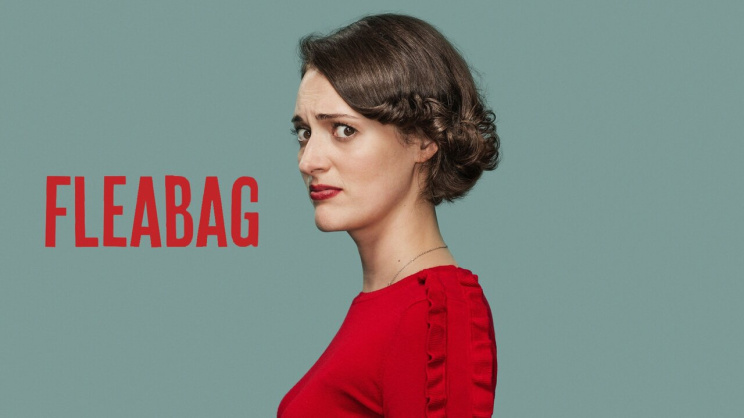
Series like “Fleabag” portray imperfect, emotionally charged women navigating messy lives. According to Western academics, these characters disrupt the smoothness the gaze prefers. By refusing to rehearse themselves for the watcher, they expose the watcher.
South Asian mainstream entertainment, by contrast, rarely allows such freedom. In our dramas, the patient good girl absorbs humiliation. She sacrifices and forgives. Then there is the “modern” girl who is English-speaking, fashionable, often framed as the antagonist. By the final episode, the soft girl wins and the patriarchal order is restored.
Here, female rage rarely begins from a place of full autonomy. We can’t simply “burn it all down” when we still live at home. We can have a degree, a job, and still be expected to adjust.
For a long time, I filed anger away in a mental folder labelled “bad”. I even associated it with men punching holes in the wall and raising voices. Female anger, though? It was a character flaw.
From early on, many of us learned how to be palatable. We learned that anger makes us unlovable. Unmarriageable. Unwomanly. But emotions don’t pack their bags because we’ve decided they’re unattractive. They sit under our ribs.
Female rage in South Asia is born from patriarchal conditions and filtered through patriarchal narratives. It is the frustration of pointing out misogyny and being told, “Not all men.” It is the disappointment of realising someone you liked expects you to shrink. It is the hand that lingers too long on your waist, and the internal debate over whether you’re “overthinking it”. It is being punished for ambition, carrying the invisible weight of unpaid labour at home, and judged for putting on weight. It is the endless scripts of femininity that dictate how a woman should speak, move, dress, and even feel.
Recently, when a man crossed a professional boundary with me, I did not respond. Later, when I lay on my bed, I felt ashamed of my silence. Then ashamed of my shame. And finally, furious. I wanted to scream.
In “Drive Your Plow Over the Bones of the Dead”, Olga Tokarczuk writes, “Sometimes, when a person feels anger, everything seems simple and obvious. Anger puts things in order and shows you the world in a nutshell; anger restores the gift of clarity of vision, which it’s hard to attain in any other state.” That helped me understand my emotions.
Even as women gain education and paid work, they are met with what British sociologist Angela McRobbie calls a “new sexual contract.” Women are positioned as autonomous but only if they remain desirable, productive, polished. This framework obscures systemic constraints such as gendered labour divisions or beauty standards. It is further compounded by intersectional facets of our identity.
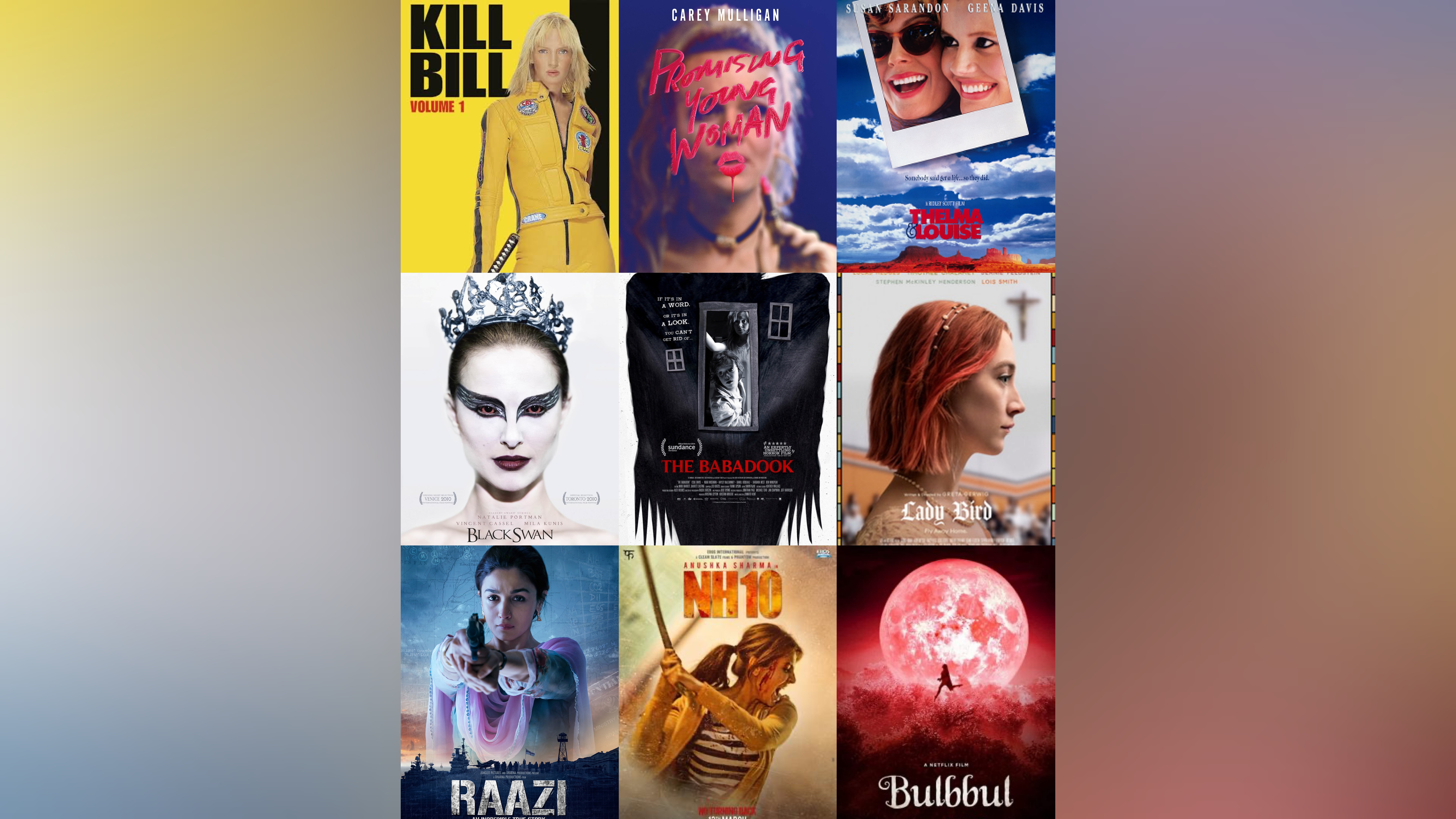
So where does the anger go? In our part of the world, public confession is risky. Online visibility is met with loke ki bolbe? (what will people say?). When posting a photo, we are thinking of who might screenshot it. A political opinion can trigger national abuse. A joke can be met with slut-shaming from strangers.
Yet South Asian women speak. Content creation is a space we script ourselves, away from mainstream media narratives written largely by men. You see it in creators like Maria Qamar, Shree Creates and Modernotaku. They use dark humour, memes and comics. Digital spaces have allowed women to find solidarity across borders.
In the article, “The Smartest Women I Know Are All Dissociating,” Emmeline Clein talks about how many women are moving away from the #girlboss trope, the idea that female empowerment is measured by polished social performance, and “interiorising our existential aches and angst.” This detachment functions as a coping mechanism in a world that feels exhausting.
Putting an unstable character in a comedic situation makes it easier for the audience to relate to her. The unhinged woman is emotionally charged, making her seem more human. She is not ‘demure’ in a traditional sense. Instead, women are picking up the same phrases and stretching them. “The feminine urge to disappear”, “In my feminine era” reflects the desire to stop performing, to rest without guilt, and to embrace womanhood on one’s own terms.
Honestly, the unhinged woman resembles the voice at the back of our heads. Watching her can be cathartic. The audience finds themselves nodding to the character’s internal thought process, understanding what exactly triggers her. In linking themselves to her internal characterisations, they perhaps link themselves to her outer presentation.
When I say “unhinged”, I am not reducing them to a category. The word is shorthand for an archetype. Women’s lives are incredibly complex and rich. But if we were to truly act out our frustration, would we be screaming, running, crying, or finally stop performing?
 For all latest news, follow The Daily Star's Google News channel.
Comments