


‘When I was young, I used to receive Eidi, but now I have to give it’: Babita
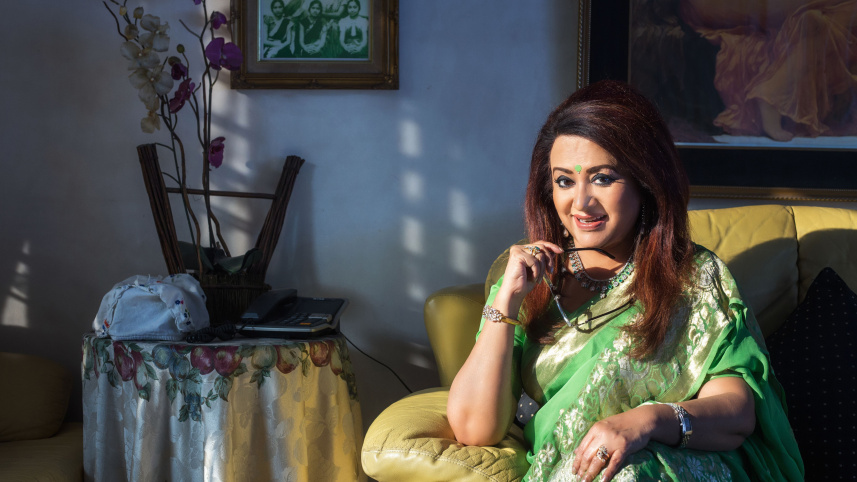
Veteran actress Babita, known for timeless classics such as “Golapi Ekhon Trainey” and “Jonmo Theke Jolchi”, has long held a cherished place in the hearts of both audiences and critics. With her radiant smile and remarkable acting talent, she built an illustrious career and became one of the most celebrated faces of Bangladeshi cinema.
Over the years, the acclaimed actress has received numerous honours, including the National Film Award for Lifetime Achievement, the Ekushey Padak, and several National Film Awards, recognising her immense contribution to the country’s film industry.

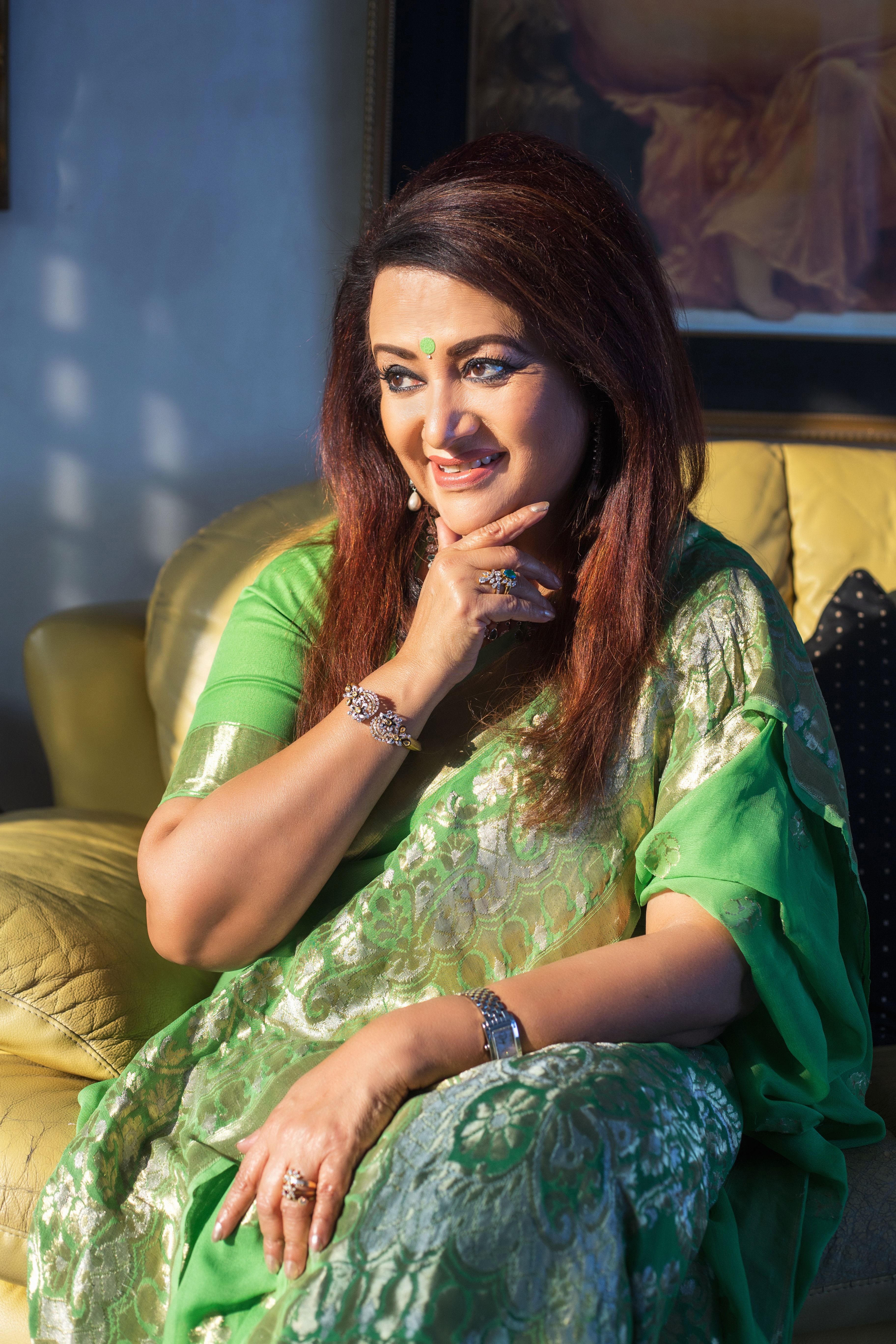
This celebrated artiste of many timeless films recently spoke to The Daily Star about her childhood memories of Eid, sharing heartfelt reflections on family, traditions, and the nostalgia that the festival brings.
Babita said that during Eid, she misses her only son, Anik, the most. “My only son, Anik, lives in Canada. I spend part of the year staying with him there. This time we are in different places, so when Eid approaches, I find myself missing him even more,” she said.
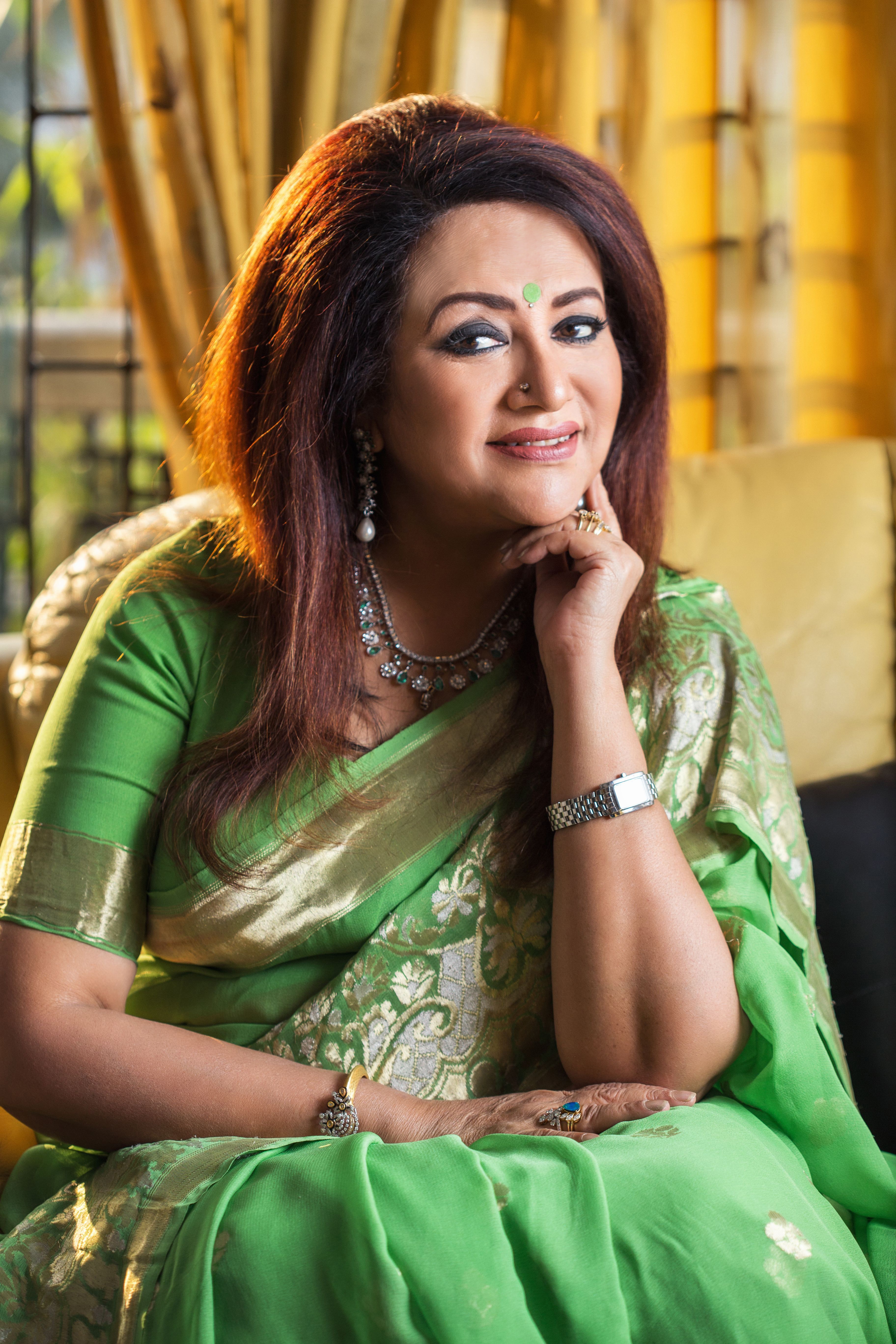
She added that the feeling becomes stronger as the festival draws closer. “On Eid day, or even a few days before, I miss Anik very much. Those whose children live far away can truly understand this feeling. I feel it very deeply as well.”
The actress also spoke fondly about cooking for her son. “Anik really loves the Pulao and Korma I cook. When I’m in Canada, I cook for him myself. I go to the market there, do the grocery shopping, and then prepare the meals. He also really likes the Shemai I make, and he enjoys beef as well,” she shared.
Reflecting on her childhood, Babita said Eid was one of the most joyful times of the year. “Eid in childhood was the most joyful. It was so much fun. Just as childhood itself is beautiful, Eid during those days was also incredibly beautiful. I will never forget those memories,” she said.
Speaking about Eidi, she recalled how the tradition has changed over time. “When I was young, I used to receive Eidi, but now I have to give it,” Babita said. “Back then, my grandparents would give me Eidi. The elders in the family would also give it, and my father and uncles did as well. I used to buy treats with that money and enjoy them. Now I’m the one giving Eidi to my nieces and other close relatives.”
She added with a smile, “After receiving Eidi, they count the money to see who gave the most. Usually, I’m the one who has to give the most.”
When asked whether she still receives Eidi, Babita laughed and said she does. “Suchanda Apa is older than me, and she is the only one who still gives me Eidi. It feels really nice.”
Talking about Eid also brings back vivid memories from her childhood. “When I was a child, Eid meant getting new clothes. A few days before Eid, we would give fabric to the tailor to make our outfits. I would sit there and watch as the clothes were being cut and stitched. After they were ready, I would bring them home and hide them, and then wear them on Eid day,” she said, adding that these sweet memories often come back to her.
“Memories of past Eids make me very nostalgic,” Babita continued. “When Eid comes, I remember my parents, and I also think about my son Anik, who lives far away.”
Speaking about how she spends Eid now, the actress said it remains a family-centred celebration. “During the Eid holidays, my elder sister Suchanda Apa and Champa come to my house.

Their children also visit. I visit them as well. We spend a very good time together, and I hope it will be the same this time too,” she said.
 For all latest news, follow The Daily Star's Google News channel.
Comments