


Vaccination starts next week in UK
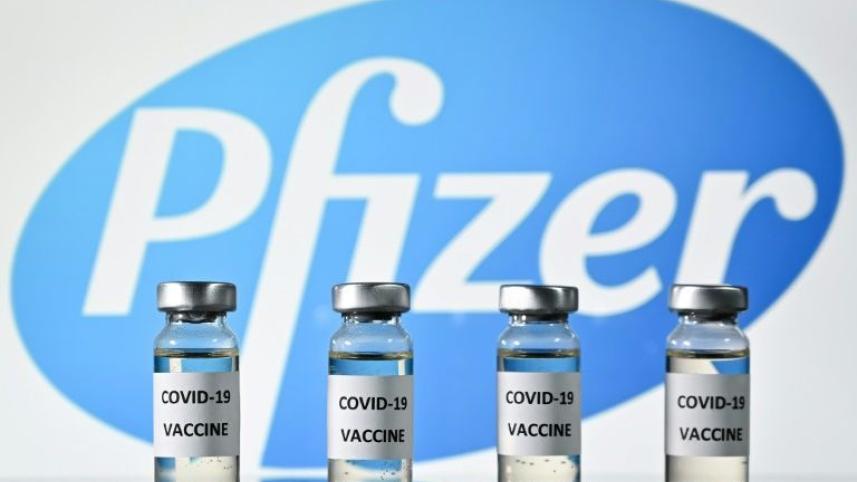
Britain approved Pfizer's Covid-19 vaccine yesterday, jumping ahead of the United States and Europe to become the West's first country to formally endorse a jab it said should reach the most vulnerable people early next week.
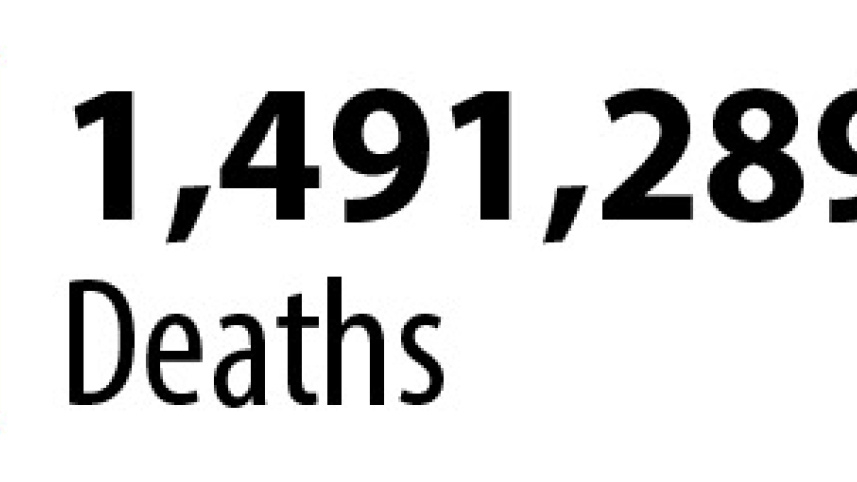
Prime Minister Boris Johnson touted the medicine authority's approval as a global win and a ray of hope amid the gloom of the novel coronavirus which has killed nearly 1.5 million people globally, hammered the world economy and upended normal life.
 For all latest news, follow The Daily Star's Google News channel.
 Britain's Medicines and Healthcare products Regulatory Agency (MHRA) granted emergency use approval to the Pfizer-BioNTech vaccine, which they say is 95% effective in preventing illness, in record time - just 23 days since Pfizer published the first data from its final stage clinical trial.
The world's big powers have been racing for a vaccine for months to begin the long road to recovery, and getting there first may be seen as a coup for Johnson's government, which has faced criticism over its handling of the crisis.
"It's fantastic," Johnson said. "The vaccine will begin to be made available across the UK from next week. It's the protection of vaccines that will ultimately allow us to reclaim our lives and get the economy moving again."
The European Union's drug watchdog and lawmakers warned against hasty approvals of Covid-19 vaccines yesterday, after Britain granted emergency authorisation to the experimental shot of Pfizer and BioNTech.
The European Medicines Agency (EMA), which is in charge of approving Covid-19 vaccines for the EU, said its longer procedure to approve vaccines was more appropriate as it was based on more evidence and required more checks than the emergency procedure chosen by Britain.
Asked about the British approval of the Pfizer vaccine, the agency said: "EMA considers that the conditional marketing authorisation is the most appropriate regulatory mechanism for use in the current pandemic emergency."
The approval of a jab for use almost exactly a year since the coronavirus emerged in Wuhan, China, is a triumph for science, Pfizer boss Albert Bourla and his German biotechnology partner BioNTech.
Meanwhile, the World Health Organization said it had received data from Pfizer and BioNTech on the Covid-19 vaccine and was reviewing it for "possible listing for emergency use", a benchmark for countries to authorise national use.
President Vladimir Putin yesterday ordered Russian authorities to begin mass voluntary vaccinations against Covid-19 next week as Russia recorded 589 new daily deaths from the coronavirus.
Russia will have produced 2 million vaccine doses within the next few days, Putin said. Russia said last month that its Sputnik V jab was 92% effective at protecting people from Covid-19 according to interim results.
'NO CORNERS CUT'
The US drugmaker said Britain's emergency use authorization marks a historic moment in the fight against Covid-19. Pfizer announced its vaccine breakthrough on November 9 with stage III clinical trial results.
"This authorization is a goal we have been working toward since we first declared that science will win, and we applaud the MHRA for their ability to conduct a careful assessment and take timely action to help protect the people of the UK," said CEO Bourla.
Britain's medicines regulator approved the vaccine in record time by doing a "rolling" concurrent analysis of data and the manufacturing process while Pfizer raced to conclude trials.
"No corners have been cut," MHRA chief June Raine said in a televised briefing from Downing Street, adding that the first data on the vaccine had been received in June and undergone a rigorous analysis to international standards. "Safety is our watchword."
Health Secretary Matt Hancock said hospitals were ready to receive the shots and vaccination centres would be set up across the country, but he admitted distribution would be a challenge given storage at temperature typical of an Antarctic winter.
Pfizer has said the shots can be kept in thermal shipping boxes for up to 30 days. Afterwards, the vaccine can be kept at fridge temperatures for up to five days.
Other frontrunners in the vaccine race include US biotech firm Moderna, which has said its shot was 94% successful in late-stage clinical trials, and AstraZeneca, which said last month its Covid-19 shot was 70% effective in pivotal trials and could be up to 90% effective.
FREE TO ALL
Coronavirus vaccines will be optional and free to all citizens and residents of Kuwait, the Gulf state's prime minister said yesterday, in comments reported in al-Qabas newspaper. Prime Minister Sabah al-Khalid al-Sabah was speaking at a meeting of various ministers.
Italy will give all its citizens free vaccinations against coronavirus starting with doctors and care home residents once the jabs are approved, its health minister said.
Japan will give free coronavirus vaccines to all of its residents under a bill passed yesterday, as the nation battles record numbers of daily cases, reports AFP.
The bill, which says the government will cover all vaccine costs for Japan's 126 million residents, was approved by the upper house of parliament, having cleared the powerful lower house.
Meanwhile, suspected North Korean hackers have recently tried to break into at least nine health organizations, including pharmaceutical giant Johnson & Johnson and vaccine developer Novavax Inc, revealing a broader effort to target key players in the race to develop treatments for Covid-19.
Comments