


The growing challenge of rare tumours — and the centres built to treat them

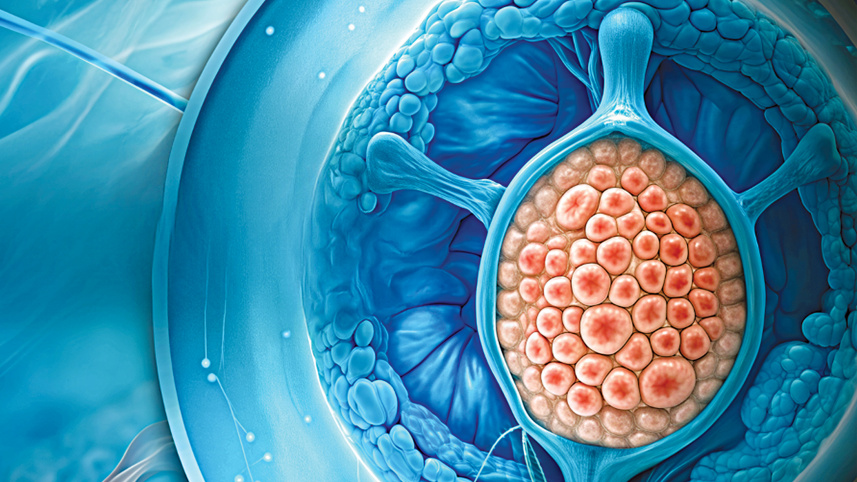
Rare cancers are often overshadowed by more common malignancies such as breast, lung, or colorectal cancer. Yet collectively, these uncommon diseases represent a significant portion of the global cancer burden. At the 3rd SingHealth Peritoneal Surface Oncology Conference in Singapore, specialists gathered to discuss advances in the treatment of complex abdominal and rare tumours.
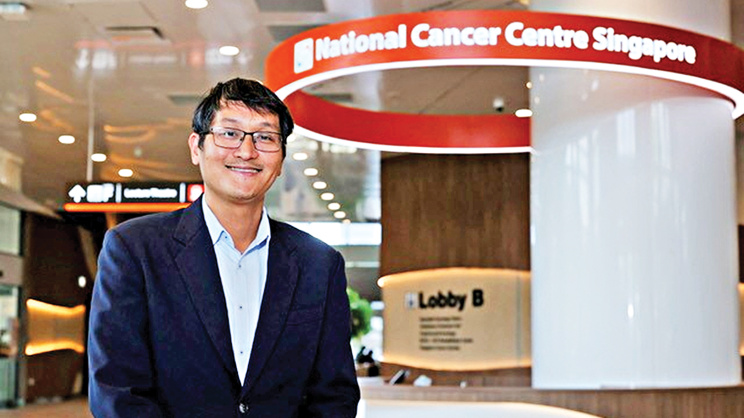
Among the key speakers was Associate Professor Johnny Ong, Head and Senior Consultant of the Department of Sarcoma, Peritoneal and Rare Tumours (SPRinT) at the National Cancer Centre Singapore (NCCS) and Singapore General Hospital (SGH). In an interview with The Daily Star, Dr Ong explained why rare cancers require specialised expertise and how dedicated centres are improving patient outcomes.

Rare cancers are typically defined as those affecting fewer than six people per 100,000 population. However, when all rare tumour types are considered together, they account for roughly 20 to 25 percent of all cancers, creating what Dr Ong describes as a paradox: individually uncommon but collectively widespread. Because each specific tumour is encountered infrequently, many physicians may see only a few cases in their careers, making diagnosis and management particularly challenging. To address this gap, SingHealth established the SPRinT programme in 2019, bringing together surgeons, oncologists, researchers, and allied specialists to focus on the treatment and research of rare cancers through coordinated multidisciplinary care.
The programme treats a wide spectrum of complex cancers, including soft tissue sarcomas, peritoneal surface malignancies, skin cancers, gastrointestinal stromal tumours, and advanced abdominal cancers. Unlike many other cancer services that are organised by organ systems, rare tumour care often crosses anatomical boundaries. Surgeons treating these diseases must therefore be comfortable operating across multiple organs and working closely with other specialists. Research has shown that patients with rare cancers achieve better outcomes when they are referred early to expert centres that see these conditions regularly.
One of the major cancers treated by the SPRinT team is sarcoma, a tumour arising from connective tissues such as fat, muscle, or blood vessels. Sarcomas can occur almost anywhere in the body and often present as a painless lump. Because they may initially resemble benign growths, they are sometimes overlooked until they become large or symptomatic. Dr Ong emphasises that the first surgery is crucial. If a tumour is not removed properly at the initial operation, the chances of recurrence increase and subsequent treatment becomes far more difficult.
Another important area of focus is peritoneal surface malignancy, a condition in which cancers spread to the lining of the abdominal cavity. The peritoneum acts like a thin membrane surrounding the organs of the abdomen, and tumours from many organs—including the stomach, colon, ovaries, and liver—can spread to this surface. According to data presented by the SPRinT team, about 40 percent of gynaecological cancers, 25 percent of gastric cancers, and roughly 15 percent of colon cancers may eventually spread to the peritoneum. Because these tumours originate from different organs, their treatment requires highly specialised surgical and oncological expertise.
Early detection remains one of the greatest challenges. Many patients visit multiple doctors before receiving the correct diagnosis. To help primary care physicians recognise potential sarcomas, the SPRinT team encourages referral if a lump is larger than five centimetres, grows rapidly, lies deep within tissues, or causes pain. Investigating suspicious lumps early, Dr Ong notes, is always safer than waiting until the disease progresses.
Research and innovation are also central to the programme’s work. The team collaborates with laboratory scientists and pharmaceutical partners to explore new drug targets, conduct clinical trials, and better understand tumour biology. Because rare cancers have historically attracted less research attention, these efforts are essential to expanding treatment options.
Beyond treating patients in Singapore, the programme also serves as a regional training hub. Surgeons from across Asia participate in workshops, fellowships, and conferences to learn specialised techniques for managing rare tumours. For Dr Ong, increasing awareness among both doctors and the public is key.
Rare cancers may be individually uncommon, but together they represent a large group of patients who deserve specialised care, early diagnosis, and access to the latest advances in cancer treatment.
E-mail: tareq.salahuddin@thedailystar.net
 For all latest news, follow The Daily Star's Google News channel.
Comments