


The cancer vaccine revolution: Where does Bangladesh stand?
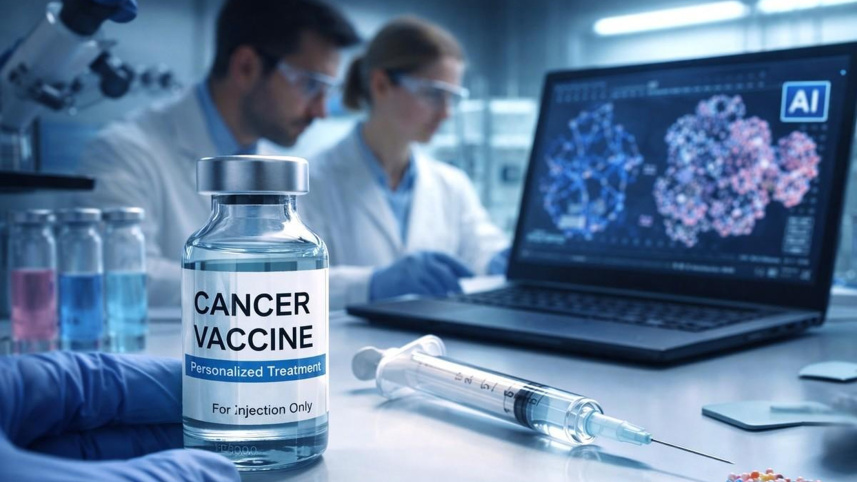
Cancer care has long been built around surgery, chemotherapy and radiation. Now, a different idea is moving closer to reality: a vaccine made for one person’s cancer, designed to teach the body to recognise the disease and fight back.
Unlike vaccines that prevent infections, personalised mRNA cancer vaccines are being studied as treatments for people with cancer. The approach gained momentum after the success of similar vaccine technology during the Covid-19 pandemic. Several cancer vaccine candidates are now in advanced stages of testing worldwide, including one being studied for melanoma, a form of skin cancer.

The process begins with a small sample of a patient’s tumour, usually collected during surgery or a biopsy, alongside a blood sample. Scientists compare the cancer cells with healthy cells to identify features that make the tumour different. They then create a customised set of temporary instructions showing the immune system what to look for.
Once injected, these instructions encourage the body to make harmless copies of selected cancer markers. These act like “wanted posters”, helping the immune system learn the cancer’s identity. Trained immune cells can then search for cells carrying the same markers and attack them, while largely sparing healthy tissue.
For Bangladesh, however, the promise comes with a reality check. The country does not yet have the research facilities and systems needed to make such highly personalised treatment widely available. Stronger diagnostic laboratories, advanced testing facilities, skilled researchers and international partnerships will be essential if Bangladesh is to participate in this new era of cancer care.
Bangladeshi scientist Dr Sabiruddin Mirza, a senior research fellow at Harvard University, is working on ways to improve how vaccine instructions reach the right cells. His long-term vision includes collaboration between Harvard and universities, hospitals and research institutes in Bangladesh, creating opportunities for training, knowledge exchange and locally driven innovation.
Cost may prove to be the biggest hurdle. Personalised vaccines require sophisticated testing and manufacturing, raising questions about who will be able to afford them. They also face challenges around delivery, large-scale production and approval.
Still, the direction is striking. Cancer treatment may gradually shift from attacking tumours with broadly applied therapies towards teaching each patient’s defences to recognise a unique enemy. For Bangladesh, the opportunity is not simply to import tomorrow’s medicine, but to build the scientific capacity to help shape it — and ensure innovation does not become another privilege reserved for wealthier countries.
Yeelma Ambreen is graduate Teaching Assistant at BRAC University. Email: yeelma12@gmail.com;
Dr Sabiruddin Mirza is a senior Research Fellow at Harvard University. Email: sabir@seas.harvard.edu
 For all latest news, follow The Daily Star's Google News channel.
Comments