


The timeless beauty of Bengali Alta and traditional glass bangles
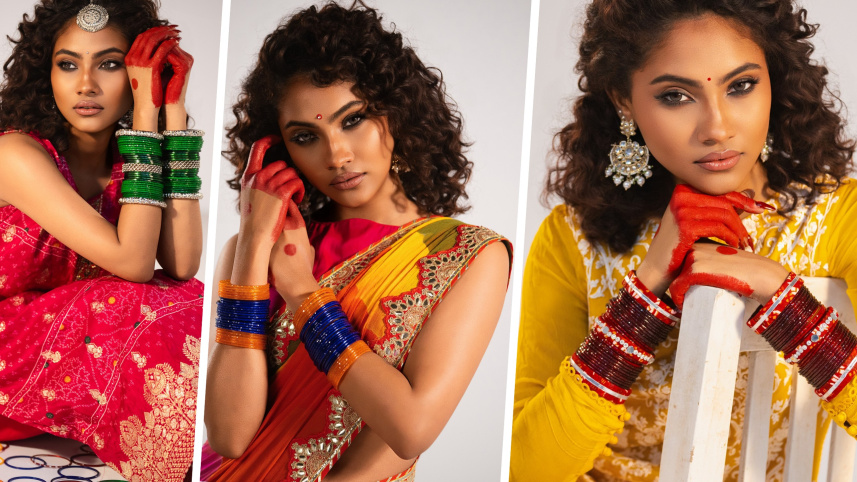
April 14, circa 1996. One can still remember the hush, the reverence, the excitement when a small bottle of the deep red liquid was opened. The hue of the alta, dazzling and instant, was an essential adornment for brides, dancers and women celebrating festivals. Add some clacking and clinking churis to the hands, and voila! The ultimate Bengali look was complete.
Decades ago, alta and churi were everyday adornments for women in villages, small towns and even big cities. Women stepped out in bright alta for weddings, pujas and harvest festivals; dancers of jatra and local theatre relied on it to make gestures visible from the stage. Alta practices varied regionally, too — thick red strokes on soles in Sylhet, finer fingertip accents elsewhere.

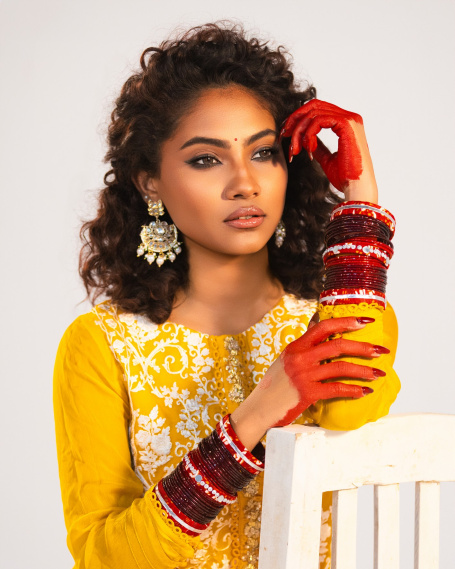
Churis made of lac, warm and hand-crafted, brightly coloured glass, heirloom metals, and wooden and terracotta, often found in village fairs, announced marriages, births and neighbourhood gossip through marketplaces and homes.
Alta and churi were more than adornments — they were woven into core memories of tradition and togetherness. When the women of the house gathered to dress in colour and ornaments, they forged deep female bonds.
“Alta came from my mother’s hands. She would hum while painting my feet,” recalls an elder from Jessore. “When my daughters wear it now, I remember my own wedding day.”
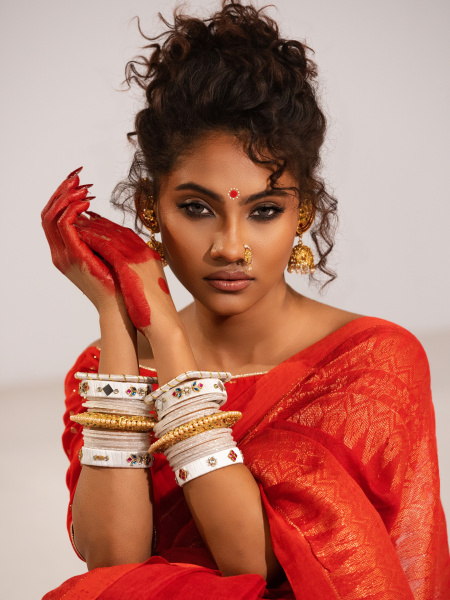
Then came modernisation and with it, mass-produced cosmetics, and changing fashions. Synthetic colours replaced natural dyes, and while churis remained firmly in the scene, the modality of their production changed, with plastic overpowering hand-pressed lac and blown glass. For the regular alta and churi lovers of the time, the changes were heartbreaking.
“It just wasn’t the same,” said Aroni Jalal, a middle-aged homemaker. “My childhood was spent decorating my hands and feet in alta, but suddenly these newer bottles were giving me rashes.”
Aroni also recalls how her khala, now old and frail, would shake her head in disappointment every time she saw a plastic churi. “They were cheaper,” she remembers, “However, khala loved traditional glass bangles, and suddenly, those were hard to find!”
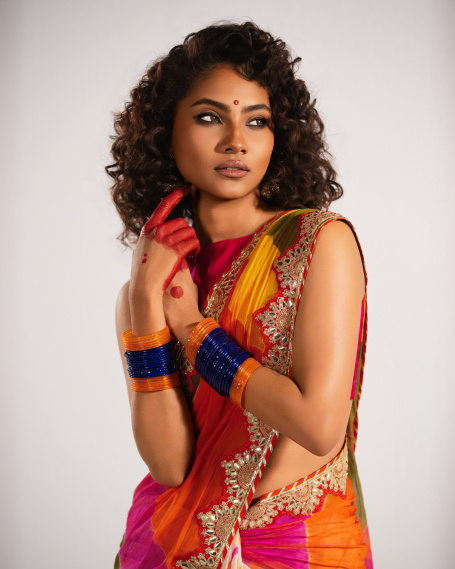
Younger generations also began to prefer the intricate designs of henna, or mehndi, limiting the beloved red to older women or specific rituals. Traditionalists felt that the sun had set forever on their favourite alta and even the churis as they knew them.
However, one good thing about fashion is that it keeps circling back to the past and steered by a renewed interest of the masses in heritage crafts and sustainable materials, alta and the artisanal churis are making a slow, but definite comeback into the conversations of the fashion savvy.
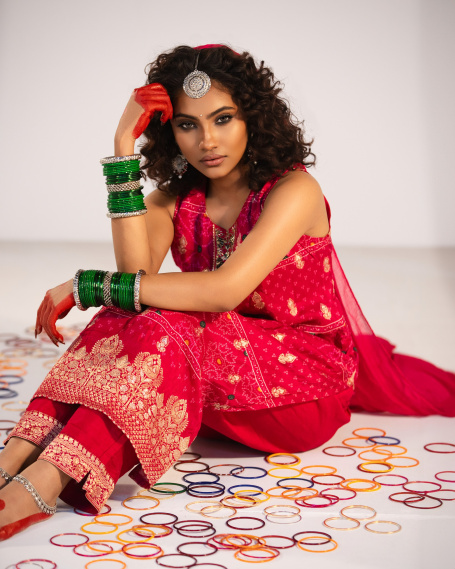
Designers in Dhaka are gradually being seen incorporating alta into modern bridal editorials, and boutiques are starting to pair traditional lac bangles with contemporary outfits again. Local initiatives are also being set up to teach young makers to mix natural alta and to work with lac and glass using traditional methods. Young designers and artisans feel that the same craft, reimagined, can resonate with new generations without losing its essence or freshness.
In Bangladesh’s dynamic marketplaces, this comeback matters. Relearning to mix natural alta, or to press lac into bright churi shapes, is not merely nostalgia but cultural preservation: the red on a bride’s feet and the chorus of bangles on her arm are threads that link generations of brides together, in the spirit of culture and the quintessential female essence.
Model: Shakira
Fashion Direction & Styling: Sonia Yeasmin Isha
Makeup: Sumon Rahat
 For all latest news, follow The Daily Star's Google News channel.
 Hair: Probina
Comments