


Chef Zohra Maliha says you're throwing away good food

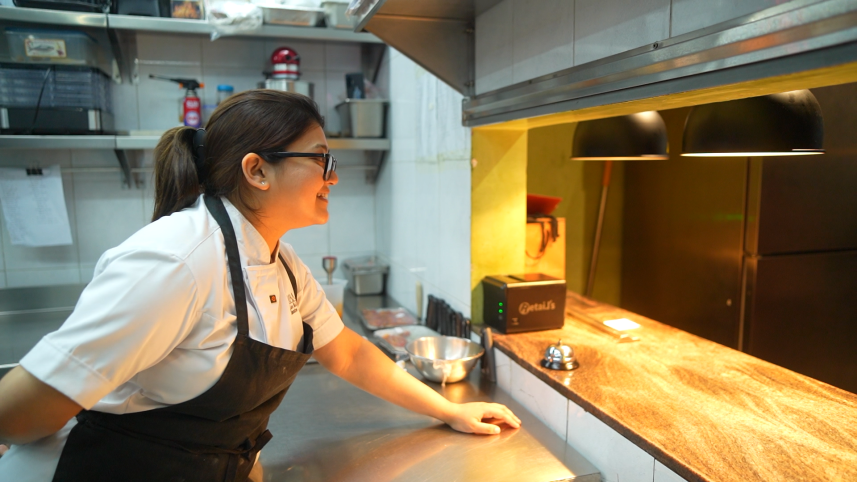
There’s a moment in every kitchen where you pause for a second, usually right before you aim the bin to throw away something. A shrimp head. A pile of carrot skins. That slightly tired bunch of green stalks, you do not even think twice about. You toss it and move on to the next step of prepping your dish. That habit got quietly challenged the day I sat down with Chef Zohra Maliha from Manzo.
“Zero-waste is not just a trend for us,” she said. “It’s just using everything,” Maliha says, and that’s where the conversation really began. Not with technique or with plating. Just the idea of using everything. Because if you think about it, using almost every portion of a produce or a protein has never been new to us.

She pointed that out almost immediately.
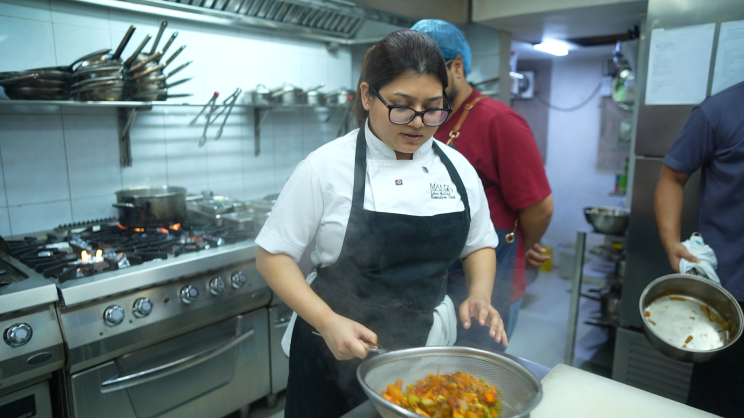
“We’ve always done this. Our grandmothers didn’t waste food. Fish heads, stems, peels, you name it, our matriarchs used everything.”
Hearing this concept in a setting of a professional kitchen might sound out of place; however, it’s true. This whole “zero-waste gastronomy” label feels foreign, but the practice is not. We grew up around it. Then somewhere along the way, convenience and extravagance took precedence. And slowly, waste became normal.
So, I asked her the obvious question. If this is so rooted in our culture, where are we going wrong now?
“I believe the prime example of food wastage can be seen in buffets,” the young chef further adds to her point, “too much food, which is way too rich, is displayed on a counter. The entire concept urges people to take more than they need or can eat, and most of the food goes into the bin.”
You can picture it instantly. Wedding halls, corporate dinners, even casual buffets. Plates loaded like there’s no tomorrow. And then half of it was untouched. It’s not even deliberate. It’s just a habit.
But she did not stay stuck on the problem. She kept bringing it back to the kitchen. Portion control matters. Balance matters. You do not need excess to make something good.”
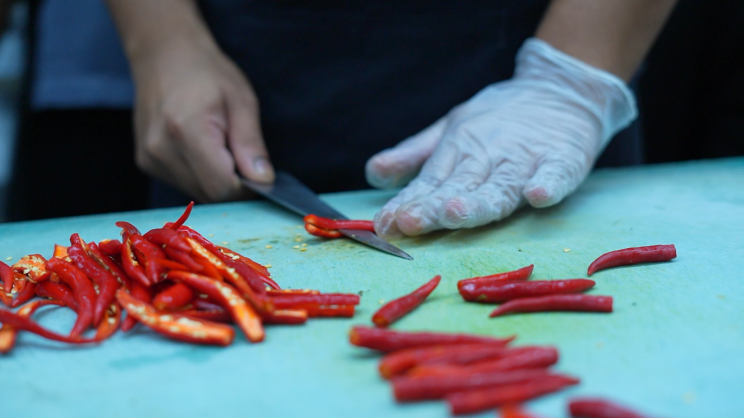
And then she flipped the whole idea of “waste” on its head by stating, “We make something that is usually discarded, delicious.” That line stayed with me. Because it’s not about saving scraps for the sake of it. It’s about actually making something delicious which people would want to eat.
She gave a few examples as we spoke. Leftover rice turning into crackers. Fish bones cooked down into something you can blend into a sauce. Stems becoming oils. All of it sounded very natural, practical, and easy to pull off.
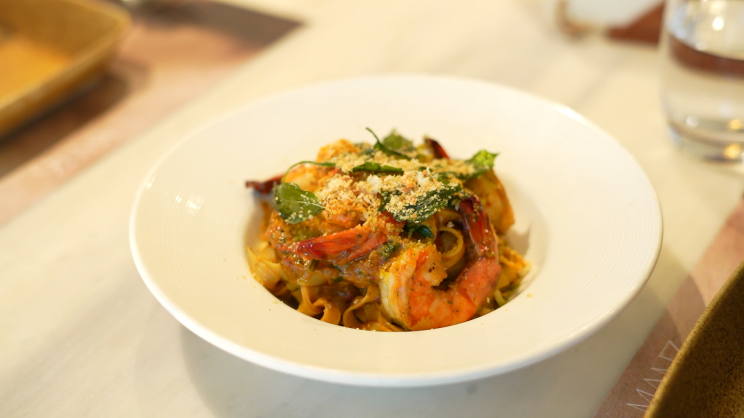
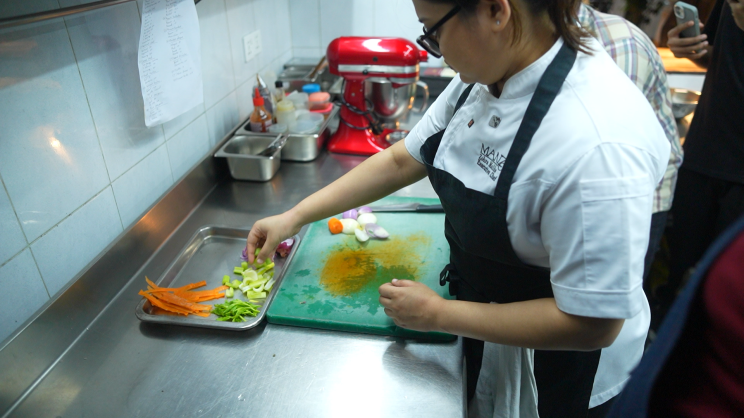
At one point, she cooked a pasta using things most of us would have already thrown away. Shrimp heads and shells built the base. Carrot skins, onion peels, and green stalks all went into making a sauce for pasta. Just to prove what we can achieve with very little effort and a mindset to use every tiny bit of an ingredient. Because that’s where the real flavour resides.
The result did not feel like an experiment or a compromise. It felt like a dish that would cost an arm and a leg at any other high-end restaurant. However, with the zero-waste concept, such dishes are very much affordable.
“You have to make it desirable,” she said. “If it doesn’t taste good, no one will care.” And she’s right. No one’s going to change how they eat just because they’re told to. It has to make sense on the plate first.
Then the conversation moved slightly towards the big elephant in the room. I asked her how you even begin to shift people’s mindset. Because here, abundance is almost a language. You show care by over-serving. By making sure there’s more than enough.
“It’s not about being stingy,” she said. “It’s about respect for the ingredient and the effort behind it,” she goes on to add, “The reality is that food isn’t endless, even if we act otherwise.”
And then she said something that tied everything together, “Everyone has to care. Chefs, owners, customers. You can’t just point at one side.”
 For all latest news, follow The Daily Star's Google News channel.
 It’s easy to blame restaurants. Or blame consumers. But the truth is, it’s a loop. Kitchens overproduce because people expect variety. People over-serve themselves because it’s available. And then we all act surprised when there’s waste.
“It starts from home. The mentality of recycling or reducing wastage from less to zero has to be instilled by parents so that the new generation understands the importance of conserving food. It is a virtue that was taught to me by my elders,” she concludes.
There’s no neat conclusion to this. You do not walk out and suddenly change how you cook or eat overnight. But it does make you notice things you have been doing without thinking. The way we cook more than we need, take more than we can finish, and throw away parts we never even considered using. The uncomfortable bit is, most of us already know better. We have seen kitchens where nothing was wasted, where everything had a purpose. Somewhere along the way, we just stopped paying attention.
This article will not fix that. But it might make you pause. That slight hesitation before something hits the bin. And maybe that’s enough. Because this is not about learning something new. It’s about remembering what we already knew, and choosing to be a bit more aware of it now.
Photo: K Tanzeel Zaman
Comments