


Why village sweets beat city shops every time
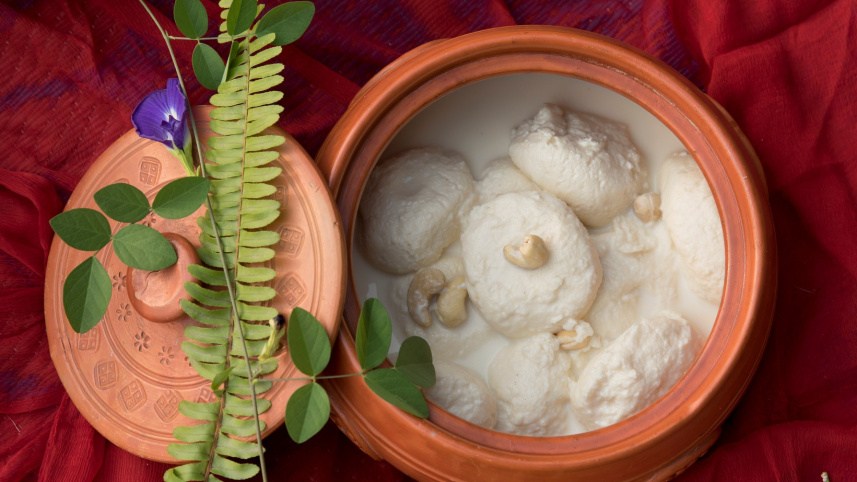
What makes a good sweetmeat? Is it the softness, the texture, or something else entirely? A good sweet has certain characteristics like any good dessert, but is that all? A checklist that you tick, and if all the boxes are ticked, then it is a great delight — I’m afraid it’s not as simple as that!
Many underlying factors affect the taste of a sweetmeat. Many of these are unseen, but they are the reason you get that unique and amazing taste in village sweets that just cannot be matched in the cities.

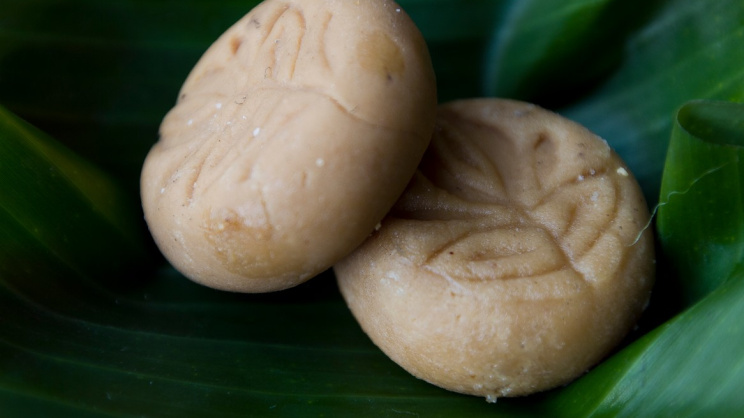
The milk and sugar
It goes without saying that the quality of milk will have a direct effect on the sweets. Desserts that we find in the cities are often produced in bulk. The industries have to rely on vendors for the milk, and as it can happen in mass production, the milk can often be diluted with water, which affects the taste.
Sometimes, instead of natural milk, powdered milk or condensed milk is used in the production. This creates a different taste that is hard to miss. Sweet products produced from natural milk will always be superior without even a contest. One can actually feel the difference in texture based on the ingredients.
Same for sugar, or molasses, whatever is used as an ingredient. The more natural and less diluted the ingredient, the better the taste. Many sweetmeats rely heavily on the sugar-coated crust outside, and others rely on the filling inside. Either way, sugar is just as important as milk. And since milk and sugar are two of the major ingredients of sweets, the price of sugar has a direct parallel relation with the price of the dessert.
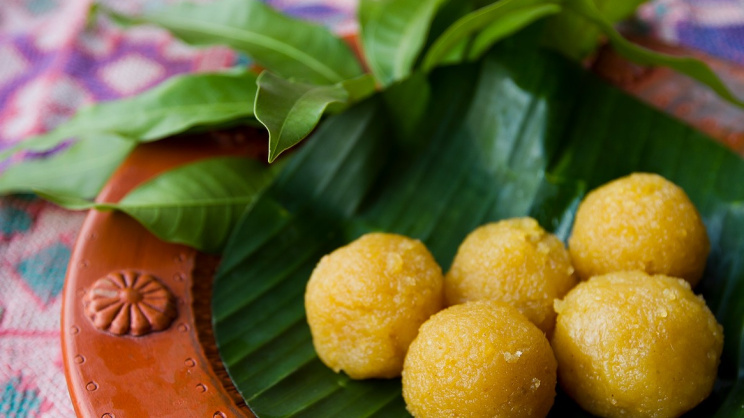
The fire
Fire can bake or wreck the sweets! The stove and the fuel that is used for making the sweet can largely affect the taste. In the village, they usually use a large stove and more often than not, wood covers the majority of the fuel. In the cities, other methods are used that are more industry-friendly. On paper, it is more efficient and a better method, but on your taste buds, you can feel the difference in the fire.
Remember how you can taste the difference in flavour on kebabs depending on what fuel was used in the grilling process? Well, the same happens for sweets as well. This is one of the reasons why village sweets have that unique taste that you can feel but cannot quite place your finger on what it is.
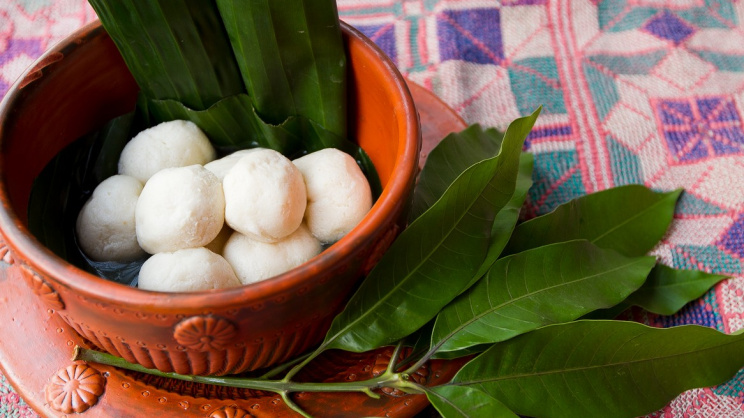
The expertise
Many enthusiasts have this opinion that the excellence of the confectioner is one of the defining factors in the taste, and once you think about it. It’s not just the sweets; it’s true for almost all food items.
Expert confectioners are rare. Those who do possess the acumen of the trade have developed it over many decades. And most confectioners are good at making one certain type of sweet. As a result, when they make that certain type of sweet, it’s like their own signature in dessert form. This type of expertise is what sets the village sweets apart from the city ones.
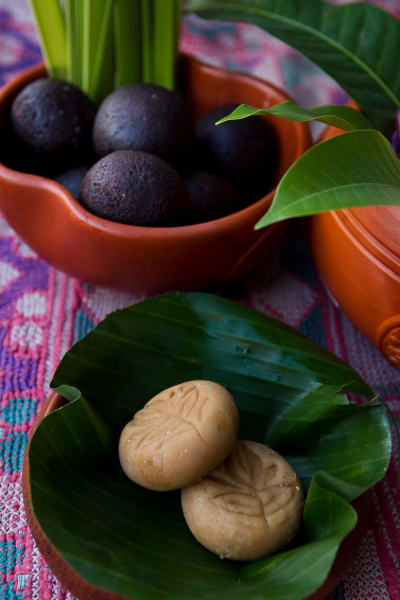
The human touch and legacy
Last but not least, the human touch!
There are too many sweet options in the cities, and they get restocked every day, which means they are produced by the ton. This is usually done in automated processes that require very little human intervention. Many sweet enthusiasts hold the belief that it is the human touch in the village sweets that makes them different.
In industrially produced sweets, they all have the same shape, weight, colour, and size. There is no deviation. However, as with all food items, the human touch creates a little deviation that tickles your palate. This makes the food enjoyable. It is hard to explain precisely how, but it also makes them taste better.
Another factor is the legacy of a brand. The human touch can create a magical taste that comes with human expertise. This skill has to be honed over years of hard work, and of course, there are certain secret recipes that are passed down through generations.
Many famous and even lesser-known sweetmeat brands carry that legacy today. And it is easy to find them. One can go into any village and ask any random person about the best sweets in that locality, and most people will have the same answer.
Sweets are one of the defining elements of Bengali culture. Sure, every other country has their own desserts, and many of them are unique, but very few of them are rooted in the culture as deeply as ours. They have been part of almost all of our traditions to the point that we cannot think of many traditions without sweets. And no matter how many options you get in the cities, very few of them can meet the high standard of taste that is found in the villages. It’s another culturally significant fact; one that requires more research, attention and preserving.
 For all latest news, follow The Daily Star's Google News channel.
 Special thanks to Dr Uday Shanker Biswas, Professor, Department of Folklore, University of Rajshahi, and a food connoisseur, for his valuable insights.
Comments