


Adopt, don’t shop: Give a deshi animal a home
For many people, bringing home a pet begins with a search for a particular breed, colour, or appearance. A Persian cat, a golden retriever, a husky, or another recognisable breed may seem appealing, especially when social media has made certain animal symbols of lifestyle and status. Yet, outside our homes and neighbourhood streets across Bangladesh, countless cats and dogs are struggling simply to survive. For them, adoption is not merely an alternative way of finding a home. It can be the difference between vulnerability and safety.
A deshi animal is no less deserving
One of the biggest obstacles to adoption in Bangladesh is still the perception that local cats and dogs are somehow less desirable than foreign breeds. They are often dismissed as “street animals,” while pedigree pets are viewed as more beautiful or better suited to a home.

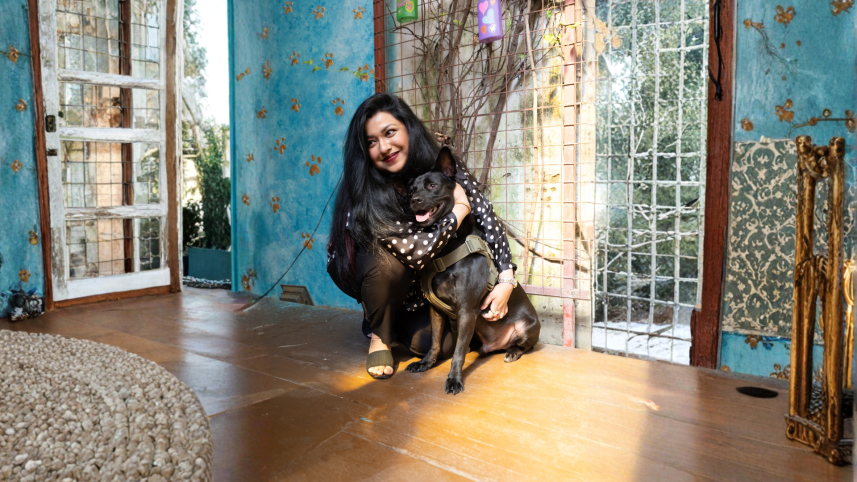
Sumaya Khan, fashion designer, lawyer and entrepreneur, challenges that distinction. Having grown up around foreign breeds herself, she believes affection should never depend on pedigree.
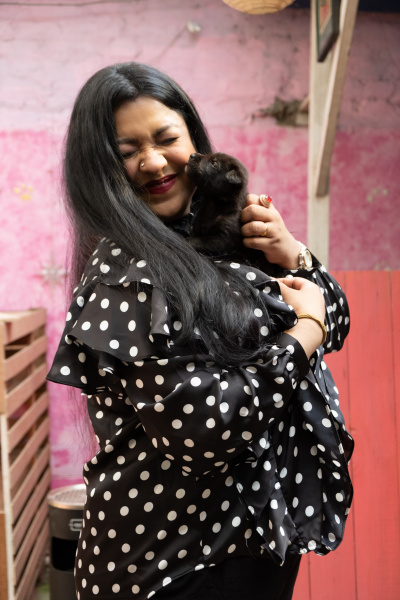
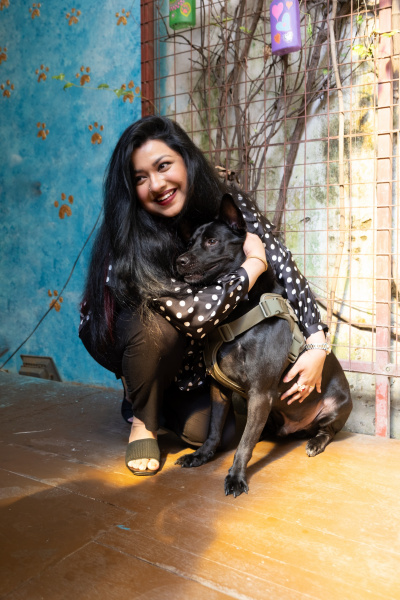
“I think the place for Bangladeshi cats and dogs is different, special. I adopted my dog – a deshi breed – who is almost three years old now. I have three cats as well, and all of them are rescued,” she shares.
For her, the question of local versus foreign is almost irrelevant. “Animals are all the same for me,” she explains. “The purpose is to love and not decide based on the skin colour or where they come from.”
It is a simple sentiment, but one that addresses a surprisingly deep prejudice. A deshi dog may not come with registration papers or a fashionable breed name. Still, it can offer exactly what people seek in a companion: affection, loyalty, playfulness, and a distinct personality.
Adoption is a lifelong commitment
The decision to adopt should never be impulsive. Puppies and kittens are undeniably charming, but they grow. They need vaccinations, food, veterinary treatment, grooming, training, attention and, above all, stability.
Khan stresses that taking an animal home means accepting responsibility for its entire life.
“When you sign up for a pet, you take them in as your babies,” she states, adding, “There is no such thing as ‘I won’t keep them when they grow up.’ From the moment you adopt them, you take them forever. This is a forever relationship. They are your family.”
This is particularly important in Bangladesh, where rescuers frequently encounter animals abandoned after owners discover that pet care requires more work or expense than expected. Adoption, therefore, should not be romanticised as a good deed completed on the day an animal enters the house. Rescue is only the beginning.
Ahona Rahman, co-owner of Pampered Paws Bangladesh, shares a similar view.
Her most powerful observation is perhaps about the imbalance between a human life and a pet’s world. Humans have jobs, friends, travel, entertainment and countless places to go. A dependent animal has far less.
“The cats and dogs we keep at home and feed every day are our sole responsibility; we are their world,” Rahman remarks. “We have many things to do, we can travel the world, but for the pet at home, that small space is their world.”
That is why adopting responsibly matters. It is not about rescuing an animal for a photograph or temporarily feeling compassionate. It is about becoming the centre of another living creature’s security.
If you cannot rescue, at least do no harm
Of course, not everyone can adopt. Housing restrictions, finances, family circumstances, allergies or demanding work schedules can make pet ownership unrealistic. Compassion, however, does not require everyone to bring an animal home.
“If you can’t help them, if you can’t do anything for them, don’t hurt them,” Khan urges, pointing to the everyday cruelty street animals can face, including kicking, shoving or having objects thrown at them.
Rahman similarly believes that coexistence begins by recognising that humans are not the only beings entitled to occupy the environment. “This world is not only for humans,” she says, linking animal welfare to a broader responsibility towards the ecosystem.
Those unable to adopt can still help by providing clean water during hot weather, feeding animals responsibly, supporting vaccination and sterilisation initiatives, contacting rescuers when an animal is injured, fostering temporarily or donating to rescue groups.
 For all latest news, follow The Daily Star's Google News channel.
 Choose a life, not a label
Buying an animal may give someone exactly the breed they imagined. Adoption offers something different: the opportunity to give a vulnerable animal something it may never have experienced before, a safe place to belong.
There is nothing wrong with admiring a beautiful breed. The more important question is why appearance should determine which animal deserves affection.
Animals do not know whether they are fashionable. They do not know the difference between “deshi” and “foreign”. They only recognise hunger, fear, kindness, and safety.
And sometimes, opening your home to one of them does not simply mean adopting a pet. It means changing the entire world of an animal that had nowhere else to go.
In-frame: Sumaya Khan & Meero
Comments