


From grooming to advocacy: The growing mission of Ahona Rahman and Nadia Hossain
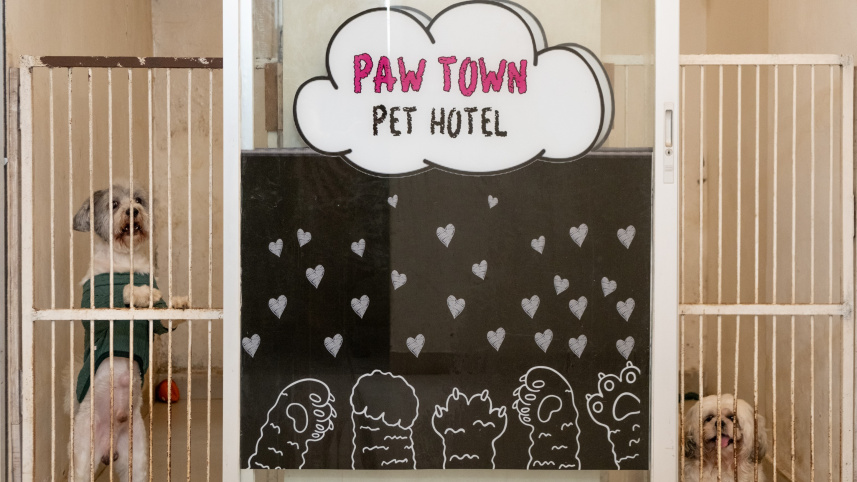
For many dog owners in Dhaka, Pampered Paws Bangladesh may first be familiar as a place for grooming, boarding, or daycare. Yet. behind the shampoos, birthday cakes, dog-walking services, and pet hotels is a larger idea that co-owners Ahona Rahman and Nadia Hossain are increasingly trying to push into public conversation: a city that makes room for stray animals, whether they live inside an apartment or on the street outside it.
Their advocacy centres on responsible ownership, safer shared spaces, better treatment of community dogs, and a simple but often overlooked principle: people do not have to love strays in order to treat them humanely.

From a small grooming room to a growing pet-care network
Pampered Paws began in 2021 as a small grooming salon. Rahman had received pet-grooming training in India, but the COVID-19 pandemic interrupted her plans. When she eventually began trial sessions in Dhaka, she offered grooming free for a month to see whether there was enough demand.
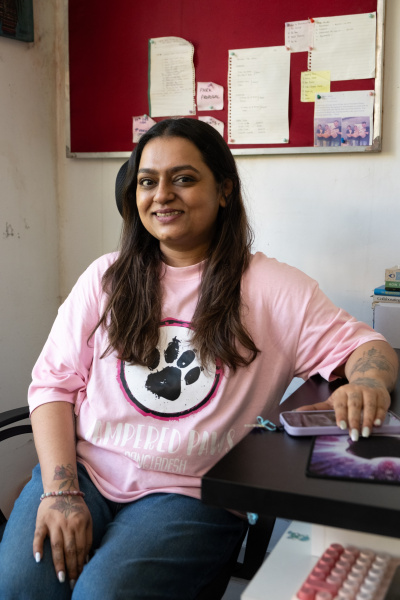
The response was immediate. During the pandemic, many households had adopted, rescued or brought home cats and dogs, and the rise in pet ownership exposed a major gap in professional pet care.
“We started in a very small room with two groomers whom I trained myself,” Rahman recalls.
What began with grooming gradually expanded. The venture now offers pet boarding and daycare, homemade pet-food subscriptions, dog-walking services, and customised clothing. The team also arranges birthday celebrations for cats and dogs and prepares pet-safe cakes using suitable ingredients.
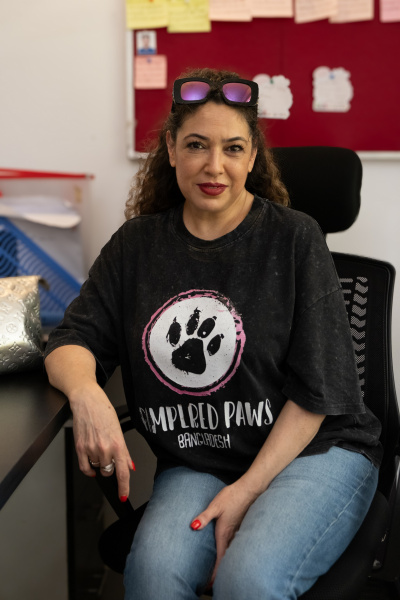
Its clientele, Rahman says, comes from across Dhaka, including Jatrabari, Gulshan, Baridhara, Banani, Uttara and Dhanmondi. Some customers even travel from Chattogram and Rajshahi after booking grooming appointments several days in advance.
The growth reflects how quickly pet culture is changing in Bangladesh, but Rahman believes this also brings greater responsibility. Keeping a dog is not simply about feeding it or enjoying its companionship. Hygiene, exercise, veterinary care, supervision and emotional wellbeing all form part of long-term care.
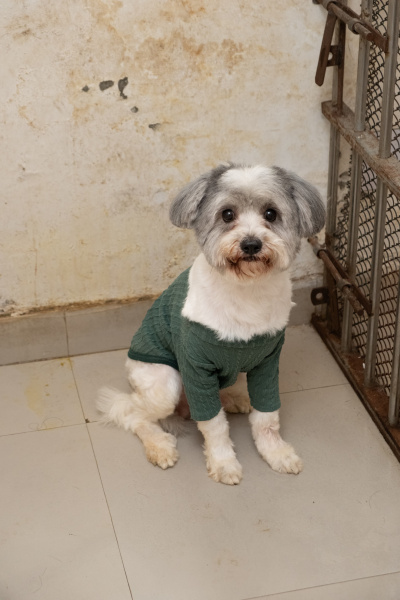
Making public spaces safer and more inclusive: The Dog Walking Club
Earlier this year, the organisation started a Dog Walking Club in collaboration with Gulshan Society at Gulshan Lake Park. The initiative addresses a problem familiar to urban dog owners: finding public spaces where pets can be exercised responsibly without creating conflict with other users.
Members register information including their dog’s vaccination status, whether it has been spayed or neutered, allergies and veterinary details. They receive a membership card carrying the dog’s photograph, while waste bags are provided at entry so owners can clean up after their pets.
The monthly membership fee, Rahman explains, contributes to maintenance and support for park staff. The club already has around 80 members.
“We want to show that our community consists of responsible owners,” she says.
That means keeping public areas clean and taking precautions with dogs that may react aggressively, including using muzzles where necessary. The chosen entrance to the park is also intended to minimise inconvenience to other visitors.
For Rahman, coexistence works best when advocacy comes with accountability.
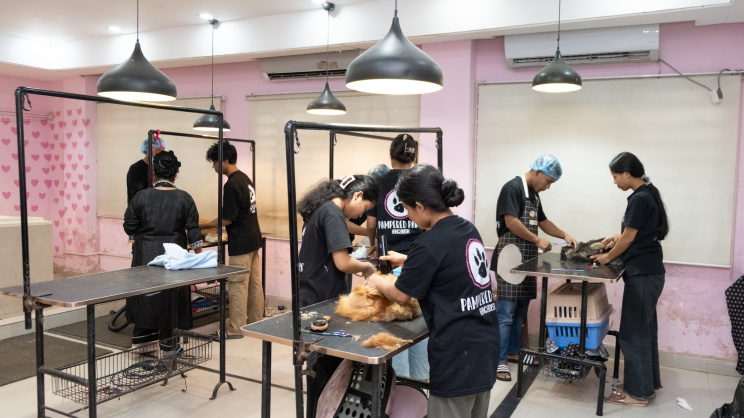
Caring for pets mean taking responsibility: Pet Hotel & Day Care Facilities
The daycare and boarding facilities emerged from this practical need. Working pet owners, expatriates and families travelling outside Dhaka often struggle to find someone who can care for an animal properly in their absence.
For Rahman, such services reinforce a broader point about dependency. Human beings have work, friendships, travel and lives outside the home. A pet’s world is considerably smaller.
 For all latest news, follow The Daily Star's Google News channel.
 “The cats and dogs we keep at home and feed every day are our sole responsibility,” she says. “We are their world.”
Nadia Hossain echoes this sentiment. Whether the animal is a deshi dog, an adopted mixed-breed pet or an expensive pedigree, she says, the responsibility to look after its wellbeing remains the same.
That distinction matters in a growing pet culture where breed, appearance and price can sometimes influence how animals are valued.
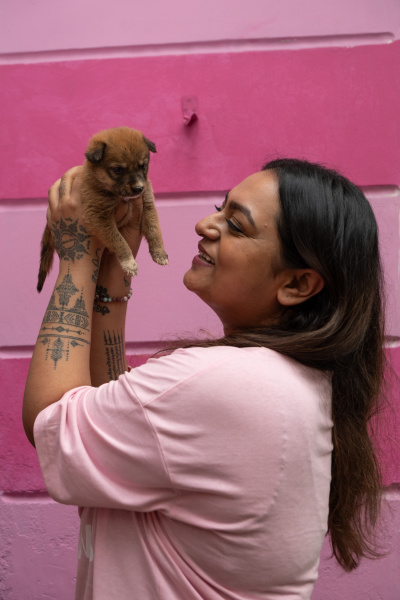
Rethinking community dogs: Public Education
This becomes especially important when the conversation turns to community dogs.
Street dogs are often discussed through complaints: they bark, gather in groups, chase vehicles or frighten pedestrians. Hossain believes such perceptions frequently ignore the conditions in which the animals live.
Many community dogs spend their lives being chased, struck, threatened or injured. Individual dogs can become fearful or defensive after repeated negative experiences with people.
“They are not aggressive by birth,” Hossain says. “Maybe they have trauma. Humans have trauma too.”
Her larger point is not that every street dog is automatically safe, but that behaviour has context. Fear, past experiences and territorial instincts can all influence how a dog reacts.
Rahman also points out that barking is often misunderstood. Dogs may bark at unfamiliar movement because they are alerting others to something unusual in what they perceive as their territory. To a person, the barking may be annoying or frightening. To the dog, it may simply be a form of warning.
Public education, Rahman believes, can help reduce the tendency to respond to fear with violence.
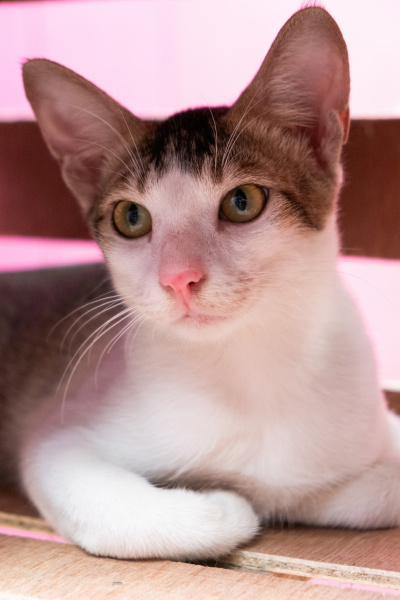
Why empathy should begin early
Rahman speaks with particular concern about deliberate cruelty towards animals. She mentions cases of puppies being drowned and dogs being severely injured or killed, incidents that for her reflect a deeper breakdown in empathy.
She believes animal care should therefore be introduced much earlier, including in schools. Children could learn how to approach animals safely, why vaccination and sterilisation matter, what responsible pet ownership involves and what to do when they encounter an injured or frightened animal.
Rahman believes children often possess natural curiosity and affection towards animals, but those attitudes can change depending on what they learn from adults.
Her own relationship with animals began at home. A senior dog was already part of the family before she was born, and growing up around animals made compassion feel ordinary rather than exceptional.
That early familiarity, she believes, can teach children patience, responsibility and respect for other living beings.
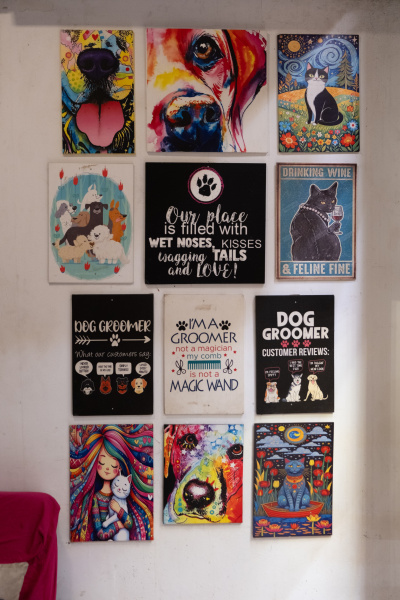
A World Dog Day message for the city
Observed on 26 August, World Dog Day is a reminder that care should extend beyond the pets already loved and protected inside homes. For Ahona Rahman and Nadia Hossain, that means thinking about the community dogs sleeping under cars, waiting outside gates or trying to find shelter from rain and heat.
“Give them a home, give them a bit of love, I think, even shelter,” Hossain says, urging people to allow street animals temporary refuge during rain or extreme heat. She also asks motorists to develop the habit of checking beneath parked cars, where cats and dogs often seek shade.
Rahman, meanwhile, places particular emphasis on empathy and responsibility. “We are their world,” she says of the animals people bring into their homes, adding that children should grow up learning compassion towards animals from an early age.
Their advocacy ultimately asks for something simple: a city where compassion is not reserved only for owned pets. Not everyone can adopt or rescue an animal, but everyone can choose patience, responsibility and kindness towards the strays already sharing our streets.
Comments