


Why the world is falling for Cabo Verde

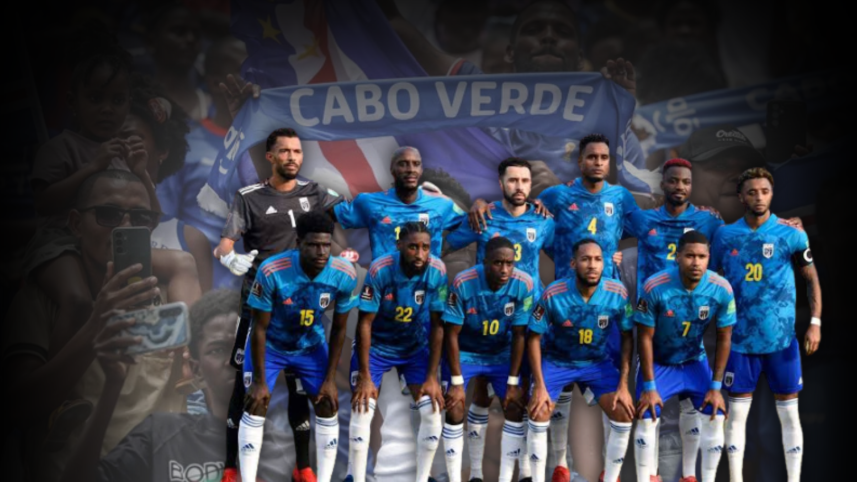
Before the 2026 World Cup began, few in Bangladesh could point out Cabo Verde on a map. If you had asked the average football fan about the "Blue Sharks", they might have assumed you were talking about a new nature documentary on Discovery. As we approach the Round of 32 clash against Argentina on 4 July, this tiny island nation is no longer just a footnote. They are the heartbeat of this tournament’s most inspiring story.
Cabo Verde is an archipelago of ten volcanic islands floating in the central Atlantic Ocean. With a population of just over half a million, it is smaller than several neighbourhoods in Dhaka. Yet, they have managed to do what many giants failed to achieve by qualifying for their first-ever World Cup and storming into the knockout stages. They are officially the smallest nation to ever reach this stage of the competition.

What’s in a name?
For years, the world called them "Cape Verde", the English translation of their Portuguese name. However, in 2013, the nation officially requested that the world use its proper name: Cabo Verde. Meaning "Green Cape", the name was originally given by Portuguese explorers in the 15th century.
This name is a badge of identity. It represents a resilient culture that survived centuries of colonial rule and emerged as one of Africa’s most stable democracies. For the people of Cabo Verde, being referred to by their proper name is about demanding respect on the global stage.
Now, that name is being shouted in stadiums across North America.
The Brazil of the Atlantic
If you look closely at Cabo Verde’s footballing soul, you will find traces of Brazil. Much like the Seleção, Cabo Verdean culture is deeply rooted in music, specifically the soulful sounds of morna made famous by the legendary Cesária Évora, and a relaxed, rhythmic lifestyle known as "Morabeza".
Often described as the musical soul of the islands, Morna is the melodic expression of "sodade", which is an untranslatable feeling of deep nostalgia and longing for home. Performed with acoustic guitars and violins, this soulful genre captures the history of a people scattered across the globe, and its cultural weight is so significant that it was recognised as a UNESCO Intangible Cultural Heritage of Humanity.
The island is also a unique melting pot of African and Portuguese roots. They speak Kriolu, a language that reflects their storied history. This hybrid identity is exactly what makes their football so unique, as it perfectly blends European tactical discipline with undeniable African flair.
This unique brand of hospitality and spirit is the secret to their happiness and an extension of an identity that remains entirely unpredictable.
Their journey is a masterclass in the power of the diaspora. Because the islands are so small, there are actually more Cabo Verdeans living abroad than on the islands themselves. The national team is a beautiful patchwork of players born in Portugal, France, and the Netherlands, all choosing to return to their roots.
This global family mindset has turned a group of underdogs into a sophisticated tactical unit that refuses to be intimidated by big names.
Smallest nation with the biggest heart
The rise of the Blue Sharks in FIFA rankings has been nothing short of miraculous. From being ranked 182nd in the world in 2000 to dismantling established teams in 2026, their hard work is written in every goal.
They do not have the billion-dollar facilities of Europe or the historic pedigree of South America. What they have is a collective grit that allows them to take down established footballing giants who have much larger populations and budgets. They represent the dream of every small nation that has ever been told they do not belong at the high table of sports.
Keeping heads high for the ultimate test
As the match against Argentina looms, the pressure is immense, but the mood in the capital city of Praia is one of pure joy. President of the nation José Maria Neves, has been a vocal supporter, urging the nation to keep their heads high regardless of the outcome. He even went as far as predicting a shock 1-0 win for the Blue Sharks, a statement that was less about arrogance and more about national belief.
"We are already winners because we showed the world who we are," the president noted during a recent interview with the BBC. He emphasised that the national mission was to represent their culture with dignity and to prove that a nation's size does not limit its dreams.
It is a staggering reality that a nation whose total land covers just over 4,000 square kilometres is now standing shoulder to shoulder with the defending champions.
Regardless of the final score, Cabo Verde has proved that a nation’s greatness is actually defined by its resilience and the unique Morabeza spirit of its people.
 For all latest news, follow The Daily Star's Google News channel.
Comments