What makes a city loveable?

On the ferry between Istanbul’s European shore to its Anatolian side, the city changes continents before your tea has had time to cool. Gulls patrol with the confidence of customs officers. Someone unwraps a simit. The Bosphorus throws back the afternoon light.
Istanbul knows how to make an impression.

My own experience with the city, however, remains mixed. The attractions are magnificent, the food frequently brilliant, and the streets carry enough history to make a casual walk feel under-researched. Yet the people often seemed less approachable than those I encountered in Bangkok. Service could feel brusque. Smiles appeared to be rationed.
Cross over to Kadıköy on the Anatolian side, and the atmosphere softens. It feels more residential, less transactional, as though Istanbul has taken off its ceremonial jacket and finally sat down.
This is the problem with declaring any city “friendly” or “unfriendly”. A metropolis contains neighbourhoods with different rhythms, classes, politics and relationships with visitors.
Tourism organisations measure arrivals, hotel nights and visitor spending. Those figures tell us that people came. They cannot tell us whether a local walked a foreigner to the correct street, whether a waiter made a tired family feel welcome, or whether an airport official managed to make a harmless traveller feel like an international fugitive.
Research into tourism repeatedly suggests that perceived hospitality contributes to emotional attachment and memorable travel experiences. This sounds obvious until one considers how much tourism marketing is devoted to buildings photographed at sunrise with all inconvenient human beings removed from the frame.
A monument may be the face of a city but its people control the facial expression.
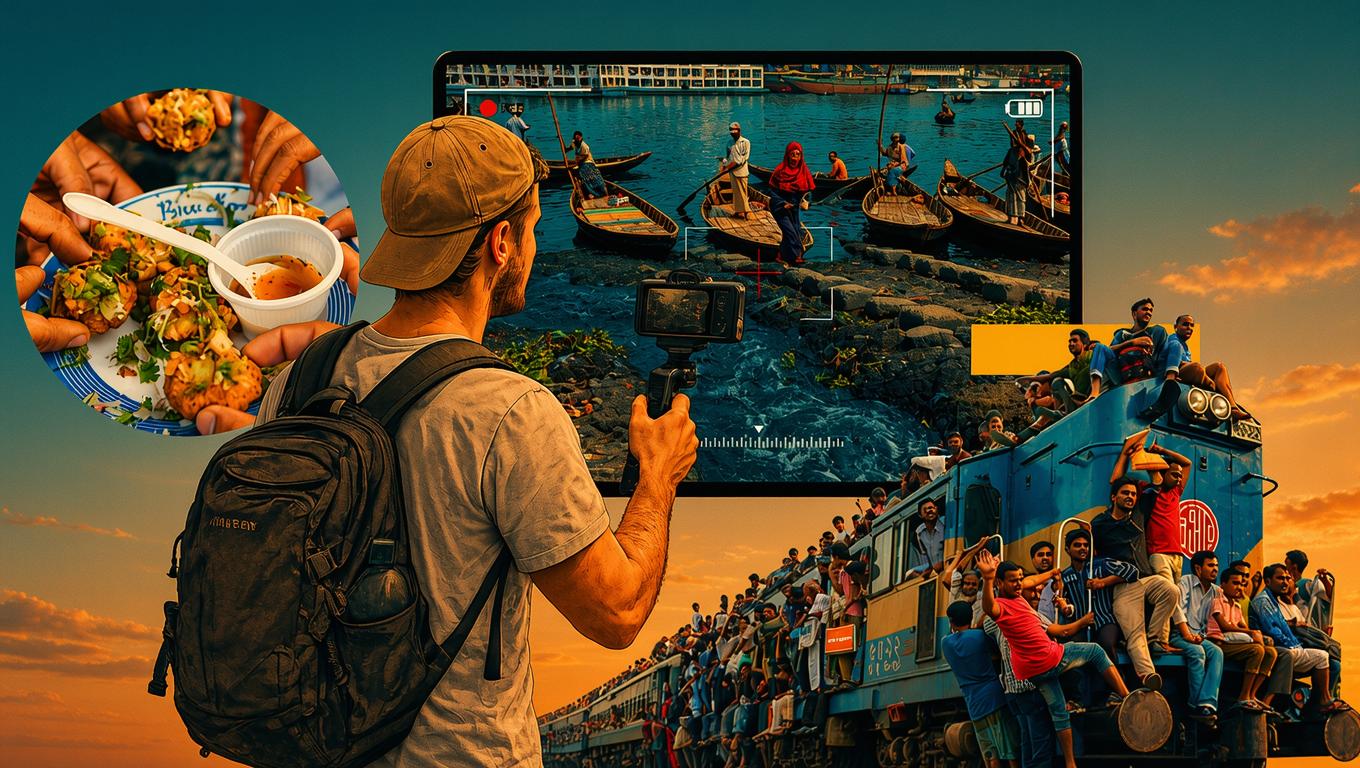
Dhaka demonstrates this with almost comic determination. It is nobody’s idea of an effortless holiday. Traffic swallows hours whole. Crossing a road, for the uninitiated, can resemble an audition for an action film where the budget did not include a stunt double.
Ask for directions and one person may answer, another will correct him, and a third will escort you because the first two have now turned your destination into a matter of national honour. Questions follow.
Where are you from? Are you married? Why not?
A five-minute encounter can become an oral census conducted with genuine concern. Dhaka rarely gives travellers personal space.
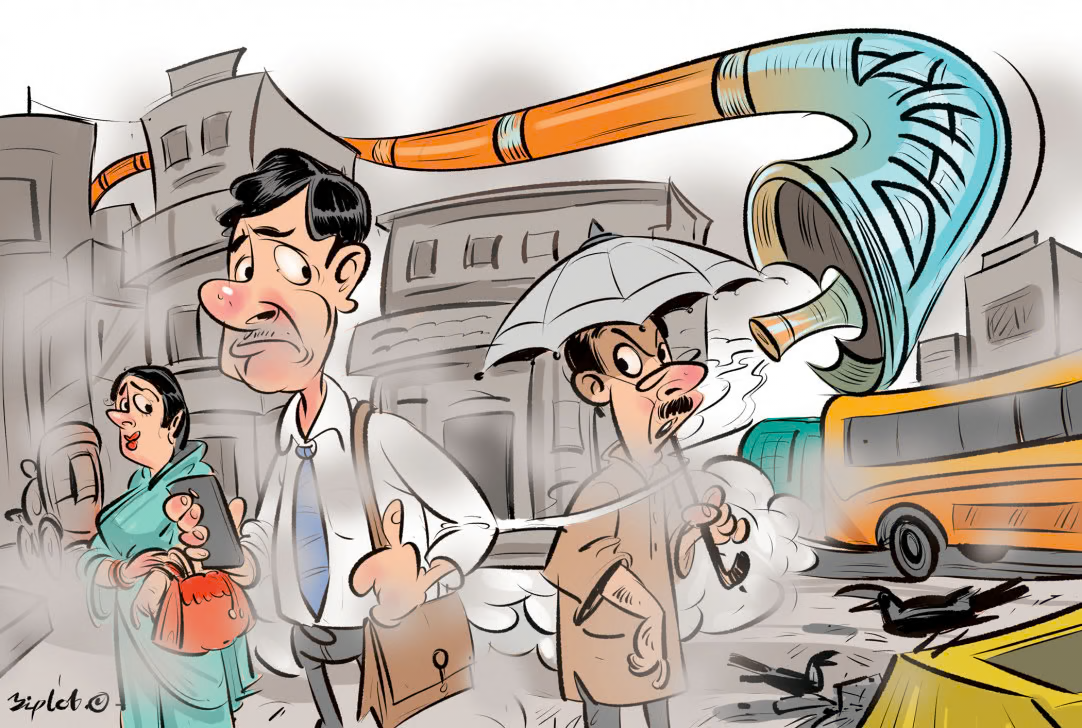
Delhi operates at a similarly dramatic volume, although with a swagger entirely its own. Old Delhi arrives through smoke from kabab grills, tangled electrical wires and vendors who can identify hesitation from 50 metres away. The city can be generous, nosy, funny and exhausting within the same afternoon.
A stranger may insist that you try the right chaat. An autorickshaw driver may quote a fare worth the price of your kidney. People you barely know may feed you as if you have not eaten in days.
At the same time, a traveller, particularly a woman travelling alone, cannot treat every unsolicited interaction as harmless. Warmth and vigilance must coexist here. Pretending otherwise does Delhi no favours.
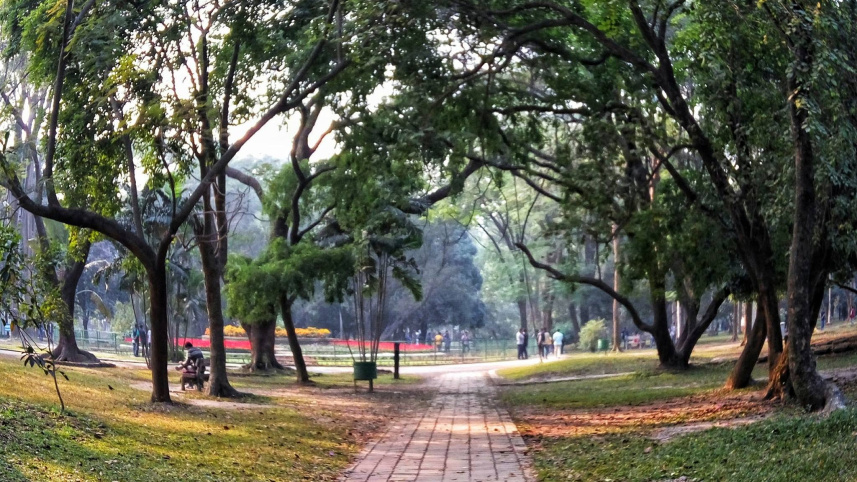
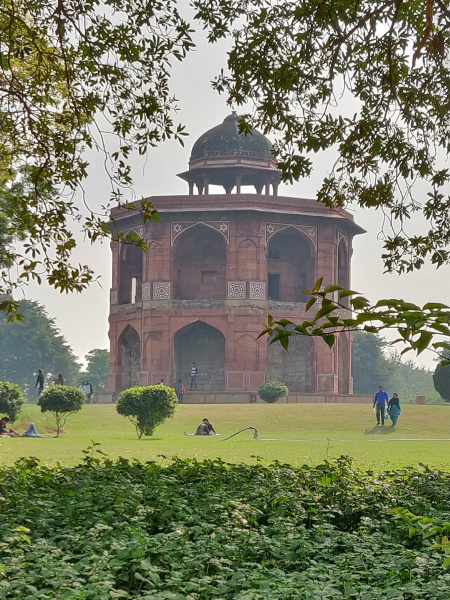
Delhi’s beauty lies partly in this refusal to become digestible. Mughal neighbourhoods, sprawling parks, congested bazars and an immense food culture occupy the same restless landscape. The city asks effort from visitors.
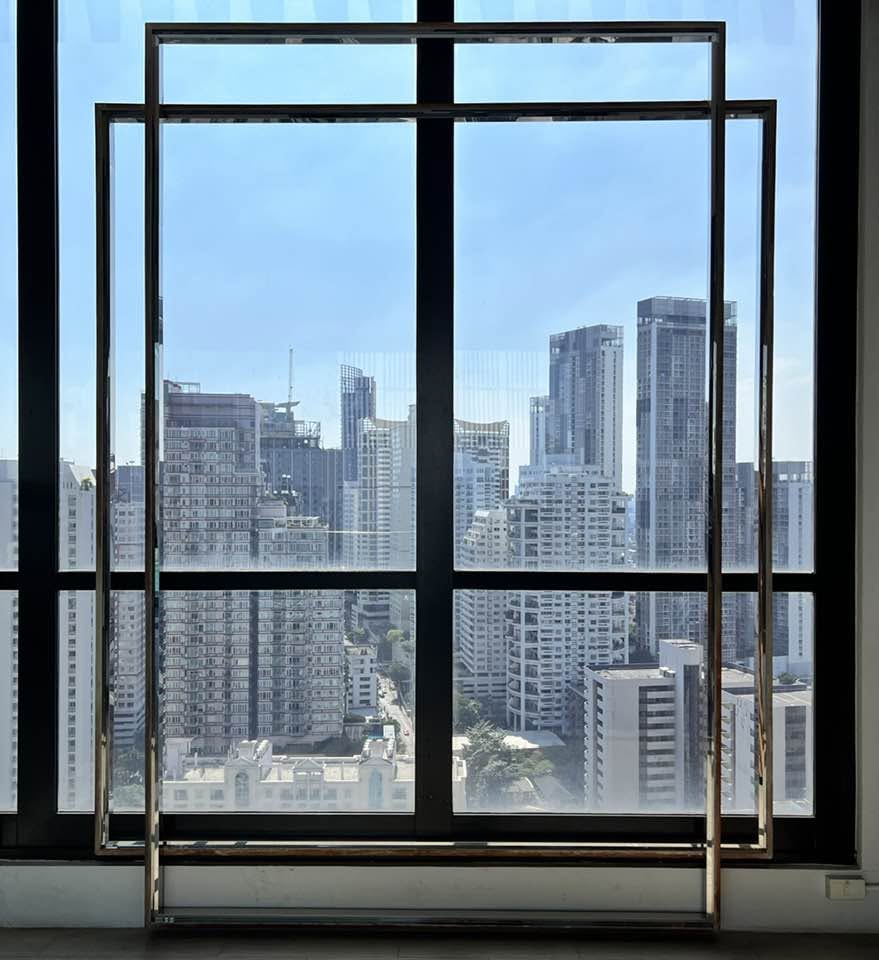
Bangkok carries its chaos more lightly. It is equally crowded and entirely capable of gridlock, yet its social surface is often smoother. A traveller can fumble through a food order, mispronounce a destination and stand on the wrong side of a BTS Skytrain gate without receiving the facial expression one probably deserves.
The famous “Land of Smiles” label can become a cliché, and Thai politeness should not be confused with instant intimacy. A smile may express welcome, embarrassment, patience or a desire to conclude a ridiculous interaction.
Even so, Bangkok has mastered the tiny courtesies that make a huge city navigable.
 For all latest news, follow The Daily Star's Google News channel.
 Street-food vendors point to the right condiment. Transit staff help confused passengers. Hotel workers manage requests with a composure that suggests they have met far more difficult people before breakfast.
The city’s local life moves through markets, coffee shops, parks, riverboats and late-night food counters. Its warmth is embedded in repeated, low-key exchanges rather than grand declarations of hospitality.
Bangkok does not need to become your friend. It simply makes being a stranger less tiring.
Yogyakarta offers another social language altogether. Borobudur rises in vast Buddhist terraces, while Prambanan reaches skyward in a cluster of elegant Hindu spires. Together, they reflect Java’s layered history of faith, artistry and cultural exchange.
Yet the experience often settles around something quieter: Javanese courtesy.
Speech, gesture and disagreement are commonly softened. Respect is communicated through tone and restraint.
Visitors accustomed to louder cultures may initially mistake this for shyness. Here, heritage feels less like a performance staged for tourists and more like something still woven into ordinary life.
Then there is Berlin, where friendliness occasionally arrives disguised as an administrative warning.
Berliners are famous for the Berliner Schnauze: blunt humour that can sound like hostility before one detects the joke hiding several floors beneath it.
Surveys of expatriates regularly place Berlin poorly for ease of making friends and perceptions of local friendliness.
Yet Berlin remains one of Europe’s great shelters for people who felt too strange somewhere else.
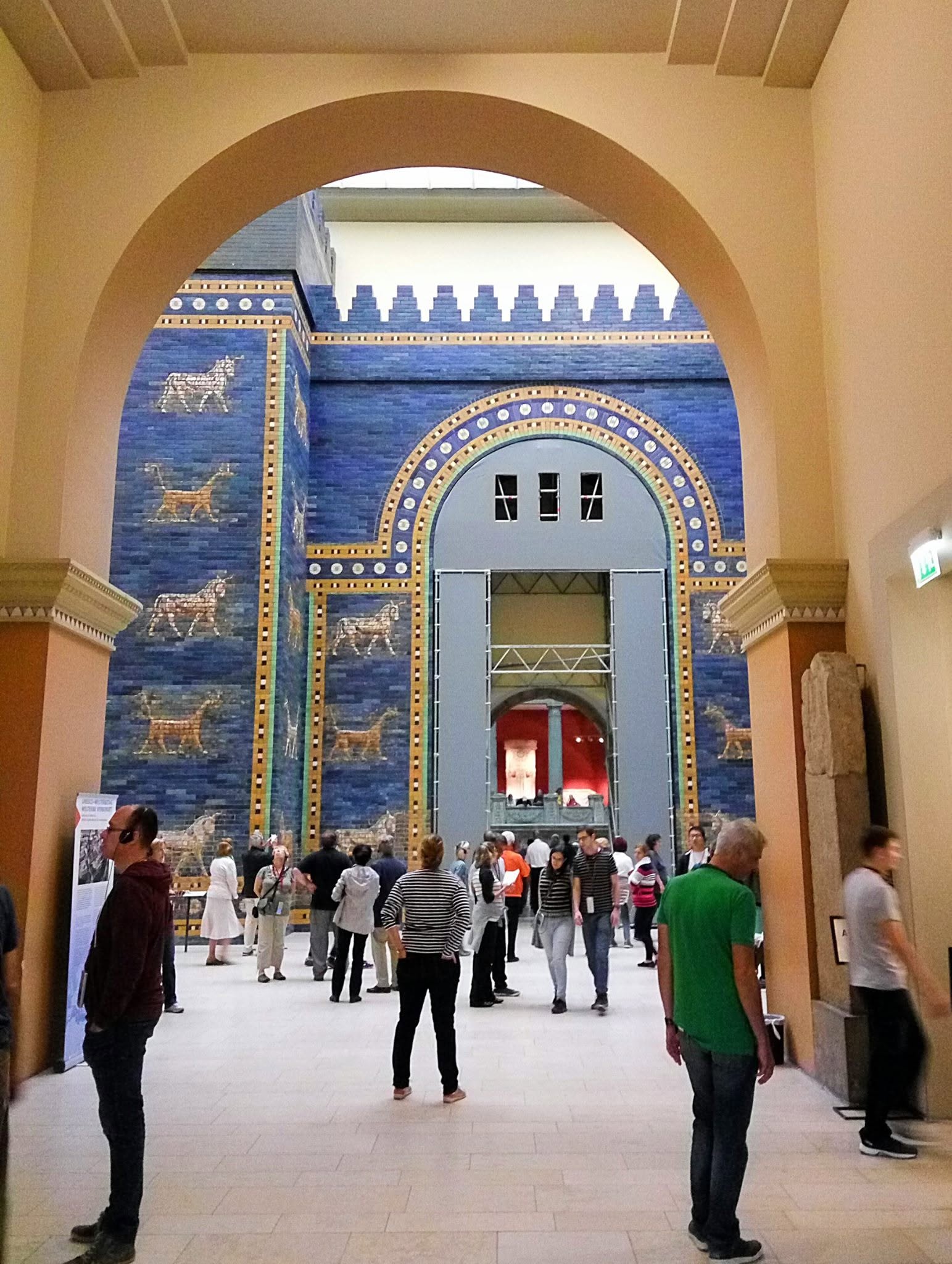
Artists, migrants, political dissidents and professional reinvention enthusiasts have built lives here.
The city may not ask how you are while scanning your groceries. It is often remarkably willing to let you become who you are. Cheerfulness and acceptance are different civic virtues.
Its neighbourhood parks, immigrant food markets, flea markets, corner bars and repurposed industrial spaces form the experience visitors seek.
Lastly, Alexandria.
The ancient lighthouse is gone. The legendary library survives only in imagination. The modern Bibliotheca Alexandrina and Qaitbay Citadel remain powerful symbols, yet the city’s pulse is found along the Corniche, inside weathered cafés, beside seafood counters and among families facing the Mediterranean as evening settles over the water.
Alexandria lives with the burden of its own memory.
Older photographs show a cosmopolitan port of Greeks, Italians and Arabs. Today’s Alexandria is more overwhelmingly Egyptian, crowded and visibly worn.
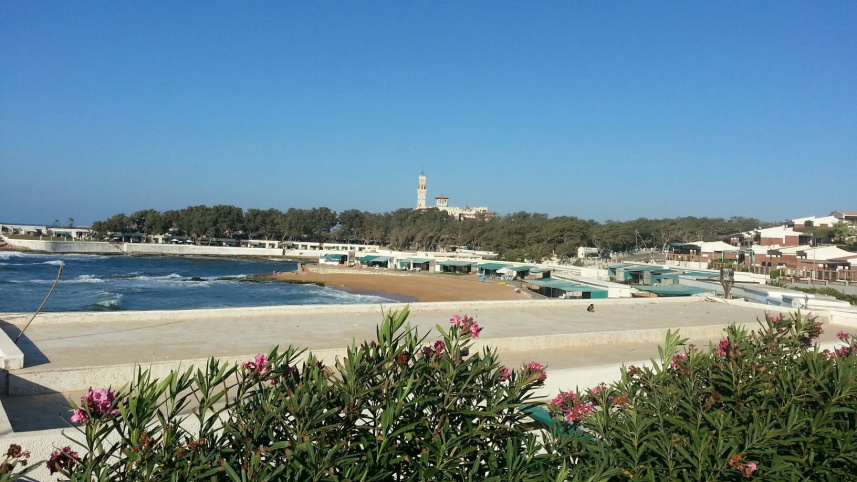
Young people still gather in cafés near fading European façades, creating new lives beneath the architecture of somebody else’s nostalgia.
There is something melancholic about the city, and Alexandrians seem to understand this without needing to announce it. The sea is always present, carrying stories towards the shore and erasing others.
Perhaps this is what travellers are really seeking when they say they love a city.
We rarely fall in love with infrastructure. Nobody returns home misty-eyed because a flyover performed its duties efficiently.
We remember the person who guided us through the menu, the driver with the terrible jokes, and the passer-by who noticed we were lost and stopped to help.
We also remember the cold shoulder, the scam, the impatience and the moments when we felt unwelcome.
To reduce the residents of an entire city to “friendly” or “rude” would be lazy. But it would be equally dishonest to pretend that the emotional climate created by local interactions does not shape travel.
The museum, palace or skyline may begin the story. The city becomes unforgettable when somebody looks up, makes room, and lets you belong for a moment.
A day trip from Dhaka: 5 places to discover in Munshiganj

A guide to post-travel recovery: Coming home after the adventure

Bangladesh to Antarctica: Planning the journey to the end of the world
Budget-friendly getaways your parents will love

Salahuddin Sumon and stories a map cannot tell

US-Bangla marks 12 years, charts global expansion

7 must visit places that showcase the best of Philippines
5 epic destinations in Asia that won’t cost a fortune

Beyond resorts: Experiencing Madhupur through Otithi’s community tourism