


Early Coinage of Bengal
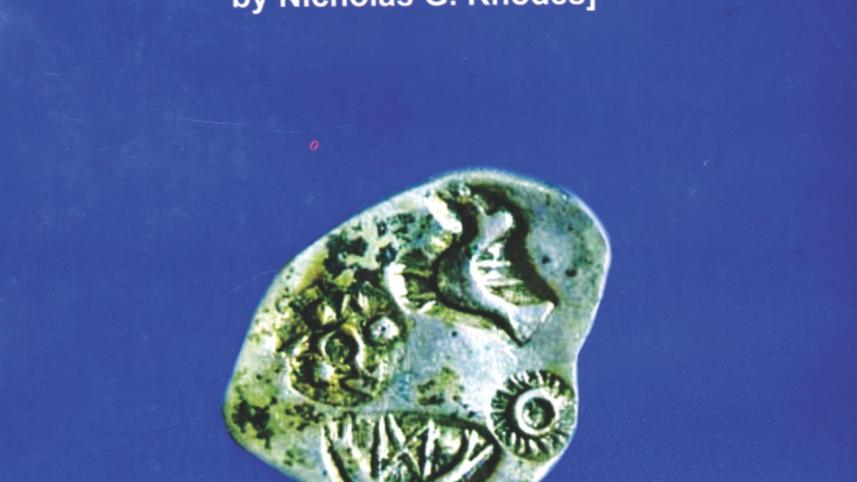
There are many roads to the past: discovering and understanding history can be accomplished by many means, from digging up archaeological ruins to reading manuscripts. Another interesting way of unlocking history is through the study of coins.
Numismatics is a fascinating field indeed, but when it comes to the coins of medieval and ancient Bengal, there is a grave scarcity of informative books out there.

Noman Nasir, one of the leading coin collectors of Bangladesh, understands this. Teaming up with S.K. Bose, a veteran author and scholar in numismatics, he brought out a book, titled 'Early Coinage of Bengal'. It has been published this year, by Mira Bose.
The book is a study of Bengal coins from 2nd century BC down to 10th century AD. It starts off by discussing geographical and political formations, the life of the people, etc. This allows the reader to keep in mind the times and context in which the coins were used.
Be it the circulation of the 'cowrie' as a currency or the many different punch-marked coins that were once in use, the book does not fail to provide the audience with useful insights.
Bengal had a number of economic zones, and the authors discussed them and the coins that were used in each.
The book also boasts 'Notes on Harikela and Akara Coins', written by the revered numismatist, the late Nicholas G. Rhodes.
Moreover, the book features a very informative 'Catalogue of Early Bengal Coins', which will prove to be very helpful for coin collectors and historians alike.
"The legends (inscriptions) and symbols on coins can describe a lot about the place and era, from declaring the ruler of the state to reflecting the culture of the people," Nasir says. "And this book, through a detailed and comprehensive study of the early coinage of Bengal, aims to be a guide for both collectors and students of history."
For more information, contact Noman Nasir at nnasir4u@gmail.com
 For all latest news, follow The Daily Star's Google News channel.
Comments