


Stop these daily habits that quietly damage your mental health

For the longest time, to anyone seeking guidance for their mental well-being, it has been the norm to hand them a list of things they should do. But what if, for once, instead of looking at things we should do, we look at things we should not do?
The purpose of discussing all of this is simple: instead of looking into the addition of new habits and practices into our lives, why not first look towards changing what’s always been there and modify the elements of our daily lives, things which are subconsciously harming our mental health more than we realise.

Doomscrolling
Social media apps have increased our ability to stay aware of distressing news and alarming information, but sometimes we find ourselves caught in a cycle of viewing such negative content. We become victims of “doom scrolling”, which is the habit of continuously viewing negative and disturbing content on social media, despite the unwanted emotions that are caused by this, which they ignore.
Many apps like Instagram have algorithms, which ensure the new content popping up on your screens is similar to what you regularly view, often leading to an overload of such news.
While compulsive scrolling causes its victims to be stuck in a loop of negative emotions such as sorrow, fear, anxiety and even rage, it is especially harmful when done before bedtime. Watching disturbing content before sleep leaves a lasting effect on our mind throughout the next day; the information churns in our brain for a long time during sleep, often leading to nightmares as well.
Emotions aside, scrolling in general takes away time from our lives, leaving us with poor sleep schedules and rushed routines. The lack of proper sleep itself can cause anxiety and stress, which only gets worse for people who have been binging on negative news, leaving them in a state of panic and, if too severe, depression.
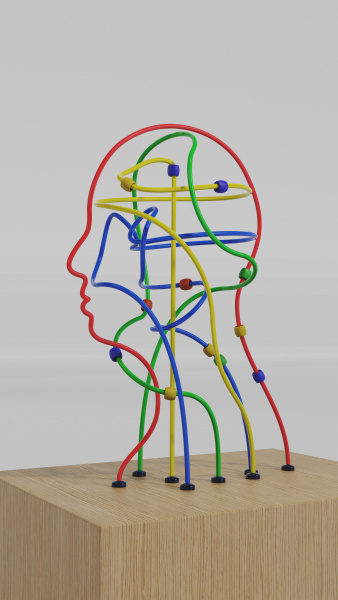
Ignoring feelings and emotions
It is often said that emotions make us human. If that is true, we must never feel shame in addressing them, especially the unpleasant ones. One of the biggest enemies of our mental well-being is “bottled up emotions”.
For a vast majority of people, especially teenagers and young adults caught up in their ever-so-busy lives, ignoring feelings such as loneliness and guilt seems like the easier solution than addressing them. It may seem that ignoring emotions will help us forget about them, but the bottled-up feelings always creep into our subconscious and leave us in a state of constant confusion and discomfort.
It is essential to acknowledge that feelings, no matter what kind, are natural. Being honest with ourselves and acknowledging those feelings, so that we may take the required steps to deal with them, is the correct course of action.
Falling into the trap of overworking
As we grow older, the only other thing increasing as notably as our age is the workload. For different people, work can mean different things, but the key idea is that our responsibilities increase when the workload is on the rise.
This demands more attention to work, but in doing so, we must never lose ourselves. It is very easy to fall prey to the habit of overworking, especially when more work often means more physical benefits like promotions or raises.
Overworking not only strips us of time we could have spent behind ourselves doing something to soothe our mind, but additional work always brings about added stress with it, especially when the mind realises work is non-stop, it begins to associate work with all sorts of unpleasant feelings, making the whole working experience distressing.
When work is something we have to spend most of our week doing, it is very harmful for our mental health if our brain starts to associate this with negativity. It not only makes it harder to concentrate but also leaves our minds in an unpleasant state most of the time, all of which prevents our mental well-being.
Keeping wrong company
The people we regularly interact with have a very important role in our mental health, which is why it’s crucial not to surround ourselves with negative people. People who are seemingly toxic, constantly pessimistic or always have something unpleasant to say to us are not ideal company.
While we aim to surround ourselves with people who have our best intentions at heart, sometimes certain people may express themselves in ways that are harmful to our mental health. Such as always having a fault to point out, starting every conversation with an accusation instead of praise or consolation and expecting us to remain a version of ourselves that they have envisioned, instead of acknowledging us for the unique individuals we are.
These individuals, irrespective of what their true intentions might be, carry negative energy into our lives and can often make someone feel “drained” if their piling expectations from us become overwhelming and ignorant of our true situation in life.
We must try as much as possible to distance ourselves from such individuals and instead surround ourselves with people who make us feel heard and valued, in front of whom we can be our true selves without guilt.
 For all latest news, follow The Daily Star's Google News channel.
Comments