


When a retail store becomes a cultural space
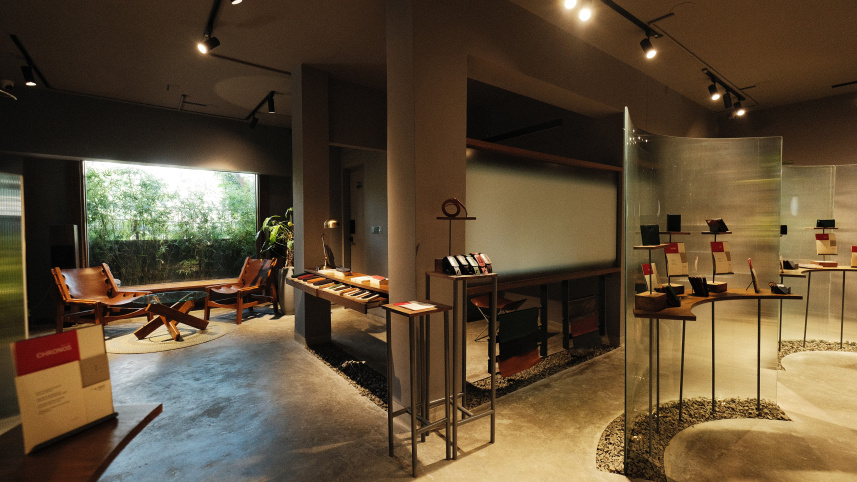
What if the future of retail is not really about selling more, but about giving people a reason to stay, think, and talk?
That question sits at the heart of the WildWoven flagship in Banani, created by co-founders Foysal Islam and Anamul Hoque. Rather than treating the space simply as a store, they see it as an experiment in what a future Bangladeshi brand could become: part commercial space, part cultural platform, and part meeting point for conversations about sustainability, creativity, and responsible living.

When Foysal and Anamul started WildWoven in 2019, they were already thinking several years ahead. Their broader question was what a brand representing Bangladesh globally would look like five to ten years from now.
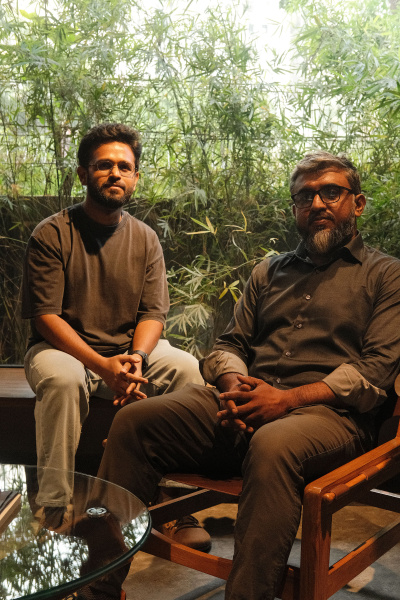
They concluded that products alone would not be enough. A future brand, they believed, would need stronger connections with the people who make things, the cultural histories behind those skills, the environmental consequences of production and the communities living with those consequences.
“The future of branding is going in this direction,” explains Foysal. “A product is not just something you take home. Who made it? Why was it made? How do you properly experience it?”
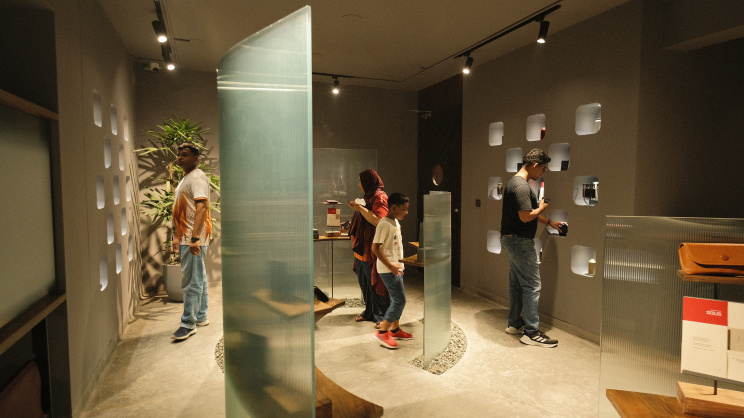
That thinking shaped the Banani flagship, designed with Roofliners Studio of Architecture. The space was conceived to function in multiple ways at once: as a retail environment, but also as a gallery, workshop, discussion space and cultural gathering point.
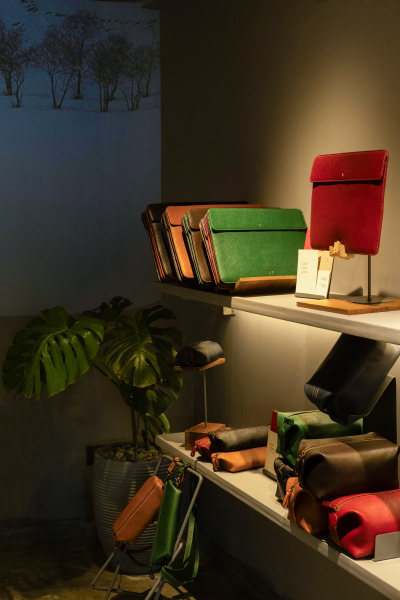
The design deliberately leaves room for people to slow down. There are areas to sit, pause and engage, rather than simply move through displays. For Foysal, that matters because the ideas he and Anamul want to explore cannot be communicated through branding language alone.
“This is not something where you can simply publish an article and consider the work finished,” he elaborates. “You need a space for it.”
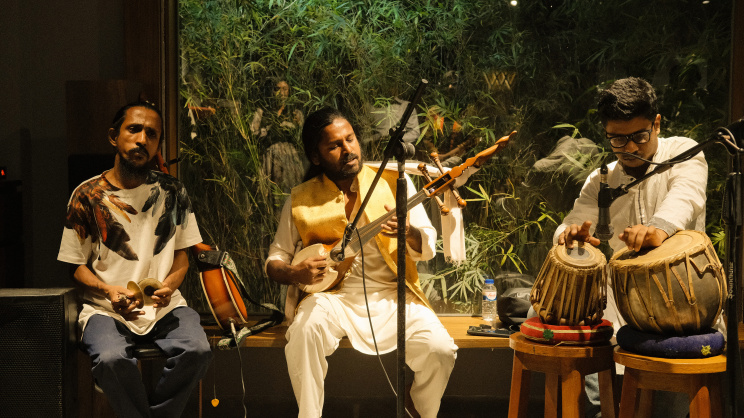
The founders want that space to remain active throughout the year. Folk musicians have already performed there. Workshops are being planned and organised around material reuse and waste. Artists, photographers and other multidisciplinary practitioners may also be featured for several months at a time, giving them room to display work, hold conversations and make their publications more accessible.
Foysal sees this as a way of addressing a wider problem in Dhaka’s cultural landscape.
“What we felt is that a lot of these things remain confined within gated communities,” he remarks. “The general public cannot always easily enter these spaces. In many cases, people do not even know that these events or works exist.”
Photography is one example close to him. He points out that major Bangladeshi photographers often produce important work about the country, yet their books may be published abroad and become difficult to find locally. The flagship, he hopes, can temporarily make such work more visible while also allowing audiences to hear directly from the people behind it.
At the same time, the founders’ interest in sustainability comes from what Foysal describes as a very personal sense of urgency.
“We are the victims,” he says.
Bangladesh manufactures enormous quantities of goods for international markets, but much of the environmental burden remains here. “The waste does not leave with the products. We absorb the waste. It enters our environment, our water and groundwater, and finally it enters our bodies.”
That is why Foysal believes these conversations should not always arrive through Western narratives. “Rather than waiting for these conversations to come from the West, we need to become vocal ourselves.”
 For all latest news, follow The Daily Star's Google News channel.
 For Foysal and Anamul, the flagship is therefore not a finished model. It is something they are still testing.
“It is a kind of experiment,” Foysal clarifies, adding, “We are trying to understand how many different ways we can integrate awareness or lifestyle changes, both into our own lives and into the lives of the people around us.”
That experimental quality may be the most important part of the founders’ vision. They are not simply asking how a store can look different. They are asking how a brand can participate differently in public life.
If the idea succeeds, the most important thing the space creates may not be something displayed on a shelf. It may be the conversation that continues after people leave.
Photo: Courtesy
Comments