


Everyday survival in a city of surprises
A rickshaw ride in the evening is one of my favourite ways to unwind. Although pedalling through the crowded residential lanes of Dhaka is anything but relaxing, I love it nonetheless.
One reason, beyond the simple joy of the evening breeze brushing against my face, is the presence of street vendors. I enjoy watching what they sell, their exchanges with customers, the bargaining wars, the light banter, and sometimes even the mood swings or flare-ups.

It could be an old man, bent with age, selling overpriced bananas and claiming they’re from the famous Narsingdi plantation. Or a street-smart middle-aged woman seated beneath the wide canopy of an old tamarind tree, offering uncommon vegetables from her homestead, such as banana pith or in-season bok phul (literally “heron flower”). We Bangalees, after all, love to batter-fry anything remotely edible.
On one such ride, I stumbled upon a traditional handwoven bamboo shorposh, commonly known as jaali or food covers in Bengali households. Crafted from thin, flexible, and sustainable bamboo splits, this dome-shaped lid was once a common household essential. Today, plastic has replaced these indigenous home accessories.
In a city like Dhaka, finding a bamboo shorposh feels not only like discovering a collectible antique by sheer stroke of luck but also like reconnecting with eco-friendly alternatives, just like in the old days.
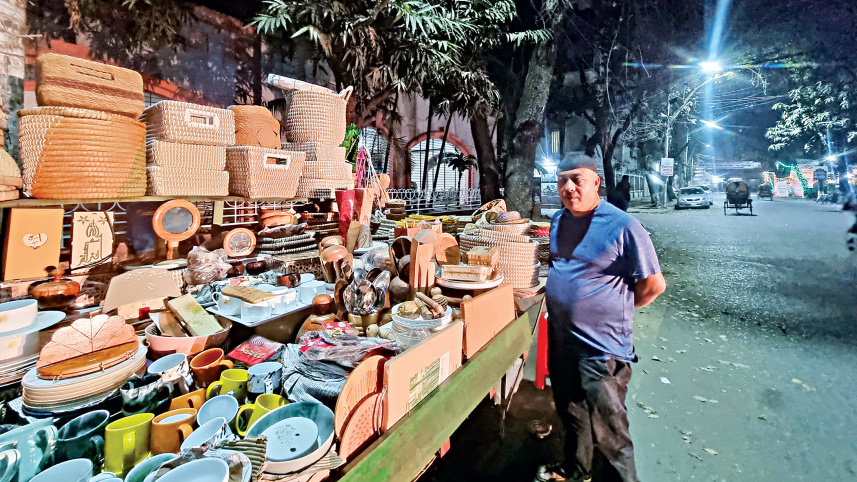
Tucked into a small rag-and-bone cart belonging to 46-year-old Md Shaheen Hossain, who is not merely a hawker, but perhaps better described as a purveyor or stockist, the bamboo shorposh was displayed alongside other artisanal crafts.
Shaheen sells inexpensive products that were once common in Bengal’s rural and urban homes but are now edged out by modern lifestyles.
His cart is parked along the narrow curbs of Uttara Sector 3 and is nothing short of a treasure trove. Shaheen once ran a cosmetic shop in Brunei, but the pandemic forced him to abandon his flourishing business. “I came back to Dhaka and was out of a job for a long time, until last year, when I decided to sell local handicrafts. The idea came to me while browsing Facebook and Instagram, going through ads, newspaper supplements, and features on local products,” he recalls.
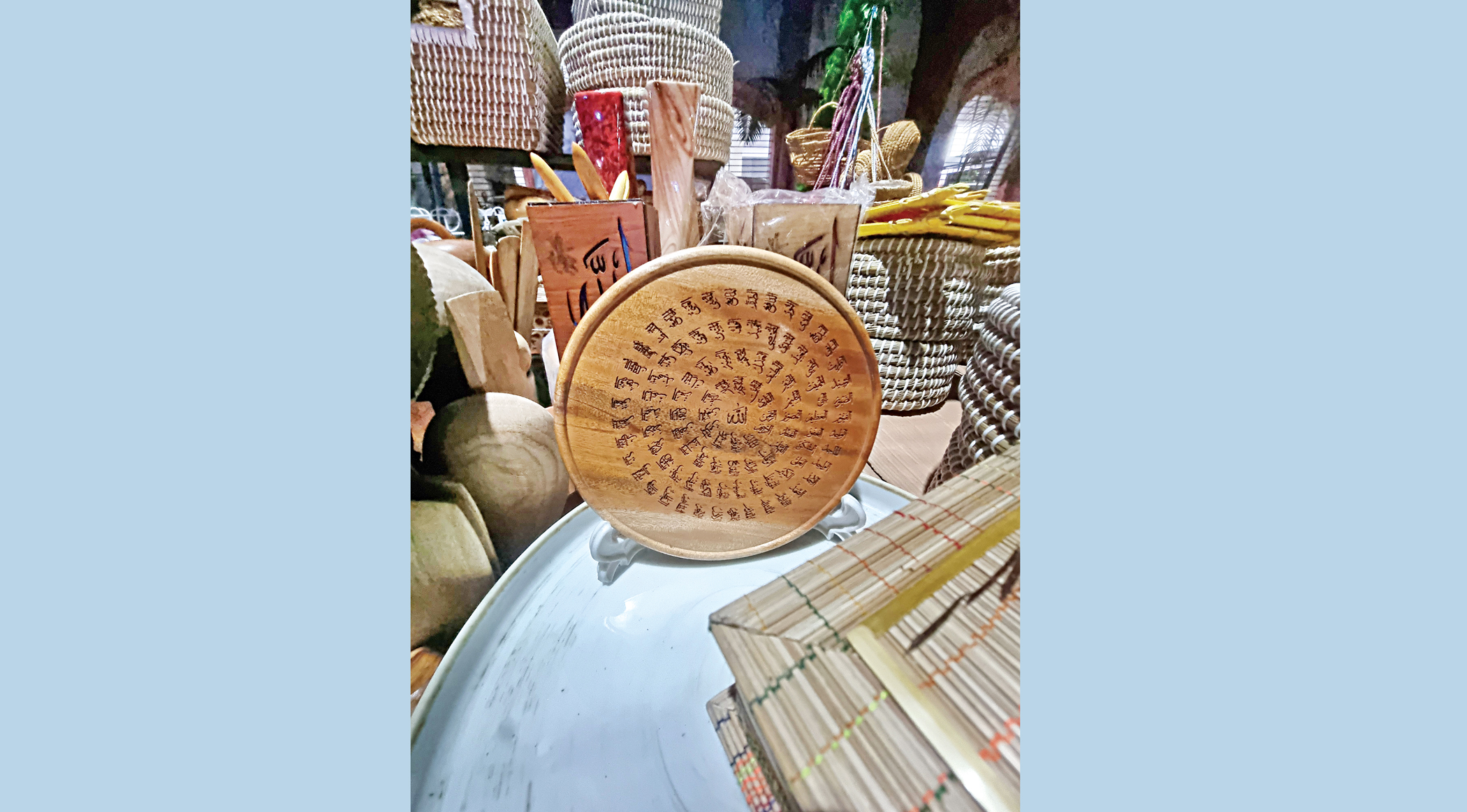
Shaheen now sources traditional Bangladeshi crafts directly from village artisans and brings them to the city. His cart carries accessories made from wood, cane, betel nut husk fibre, and kans grass: hand-painted bamboo jewellery boxes, multipurpose baskets, and neem-wood combs. Each item has its own character -- perfectly shaped wooden bowls, polished plates, coconut husk ladles, and spatulas.
He sources crafts from as far as Jashore, Barishal, and beyond.
“I have an eye for beautiful and uncommon items. Since the pavements are crowded with vendors selling clothes, ceramics, glassware, fruits, and vegetables, I dared to place these earth-conscious, simple living products among them. I feel delighted that taking a chance with handicrafts worked out for me; customers appreciate my holistic products,” he says, adding that his sales are enough to put his only son through school.
This Eid, I thought of buying these thoughtful items as gifts instead of the usual clothes and jewellery. These slow interior accessories are my absolute favourites; they spark joy in me, and gifting them will allow my personal preference to be in use again.
To me, Shaheen offers more than just products; he embodies prestige, shares the stories of artisans, and breathes life into forgotten crafts by bringing them back into everyday use. It is people like him, with their enterprising spirit, who write the stories of my Dhaka.
As I pass by in the rickshaw, I often stop at these vans, though I rarely ask the vendors about their lives. Yet, each man standing under the streetlight, braving the mosquito riot, has inked his own story of everyday survival in this city of surprises.
 For all latest news, follow The Daily Star's Google News channel.
Comments