


Bobby Hajjaj may have retreated, but was he actually wrong?

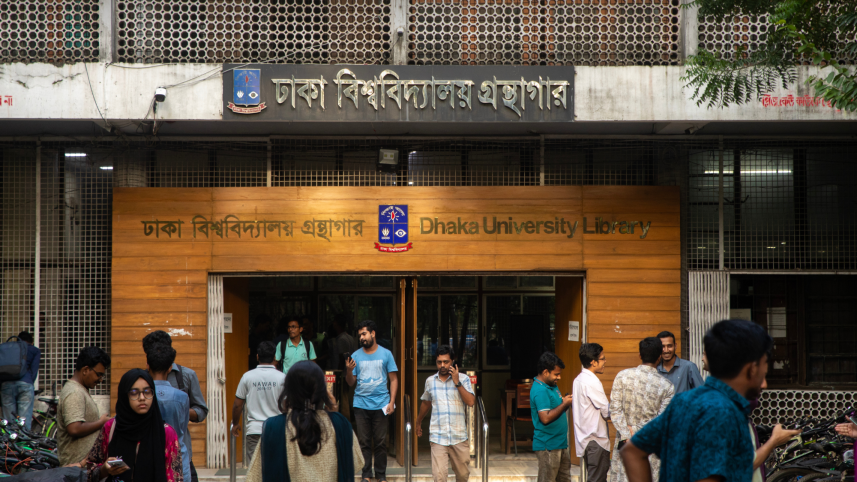
When Primary and Mass Education State Minister Bobby Hajjaj described Dhaka University as a “coaching centre” during a podcast, and claimed that “DU does not do a fraction of the research that North South University or BRAC University does,” the backlash was swift.
Sada Dal, the BNP-leaning teachers’ alliance at DU, called the remarks “highly derogatory, irresponsible and unacceptable,” labelling them “ignorant and historically uninformed,” and claiming “Bangladesh means Dhaka University.”

Meanwhile, DU students declared Bobby Hajjaj unwelcome on campus during a protest rally and human chain held at the foot of the Raju sculpture near TSC.
The state minister ultimately retreated, withdrawing his remarks.
But lost in this storm of institutional pride was a more uncomfortable question: was Bobby Hajjaj actually wrong?
The short answer is: not substantially.
His choice of words may have been ungenerous. “Coaching centre” is dismissive when applied to an institution that shaped the intellectual and political backbone of an entire nation -- the campus that produced the language martyrs of 1952 and served as a crucible of liberation and democracy.
That legacy deserves respect, and Bobby Hajjaj himself acknowledged it in his retraction.
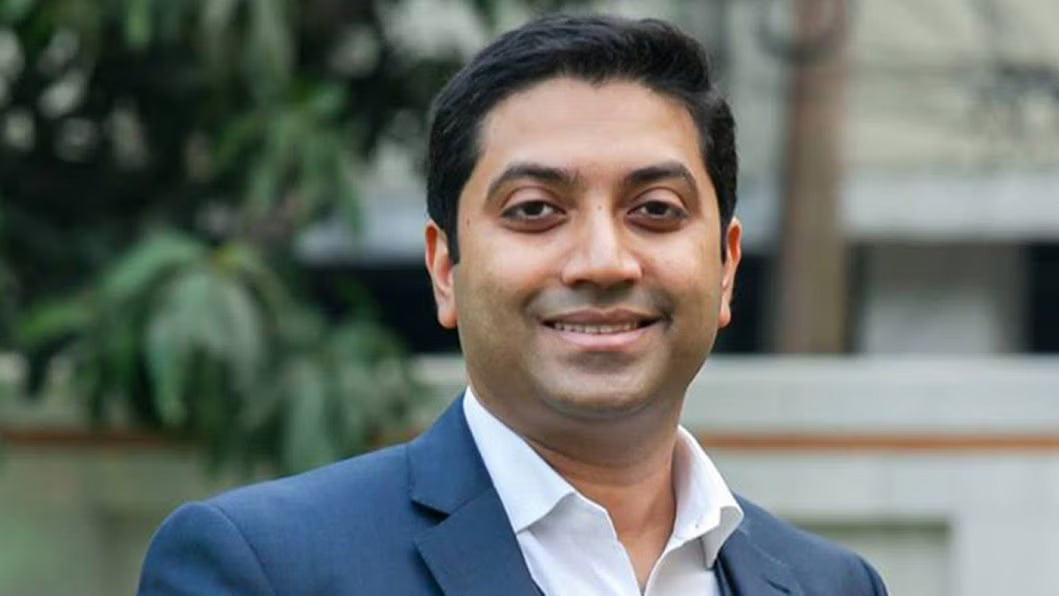
But his core criticism -- that DU has structurally failed to cultivate a serious culture of research -- is supported by evidence, lived experience, and the prime minister of Bangladesh himself.
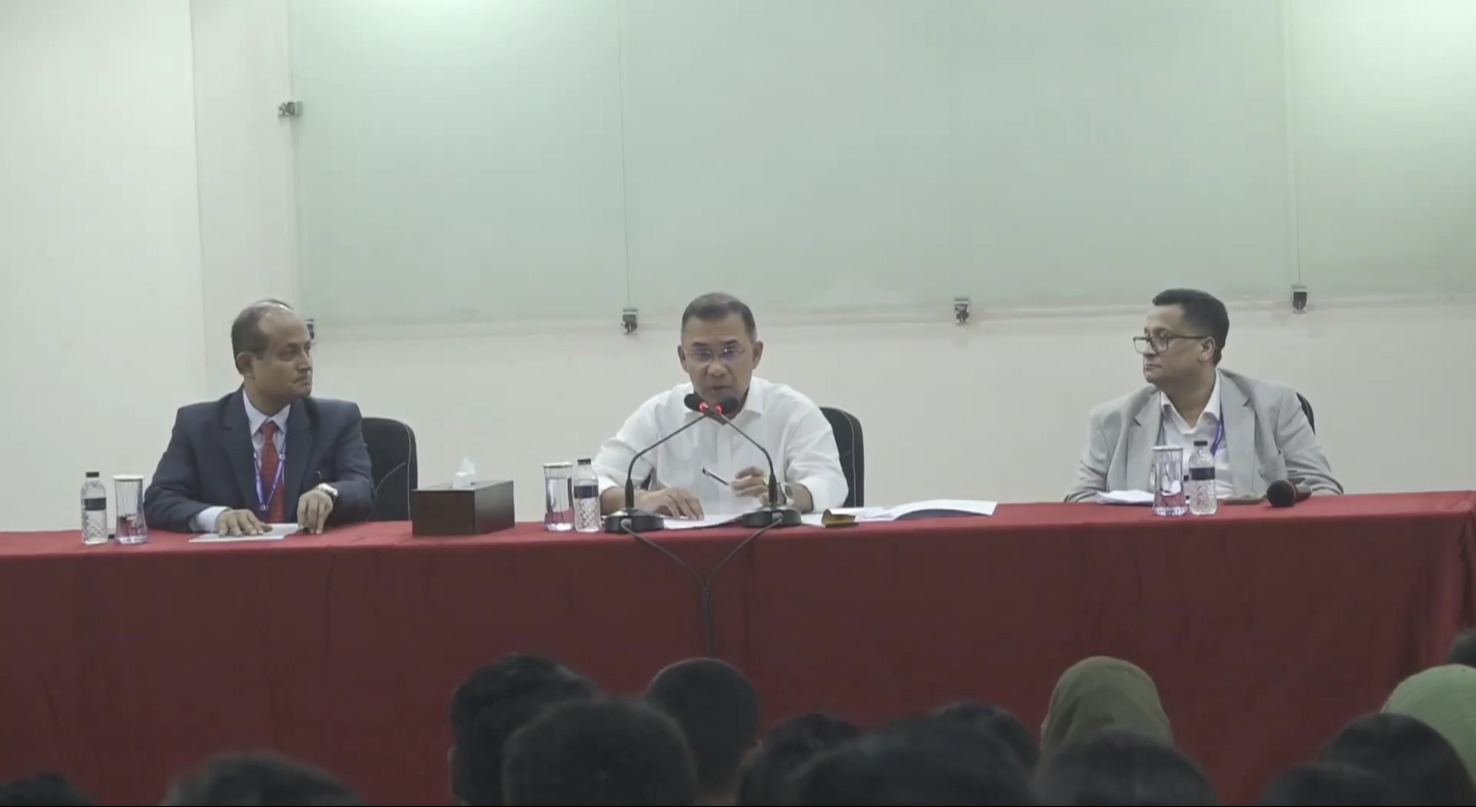
On May 12, just weeks before this controversy, PM Tarique Rahman addressed in a views-exchange programme at Dhaka University's Muzaffar Ahmed Chowdhury Auditorium.
He said politically influenced teacher recruitment, weak research output, and a lack of quality academic publications were key factors behind Dhaka University’s declining global rankings.
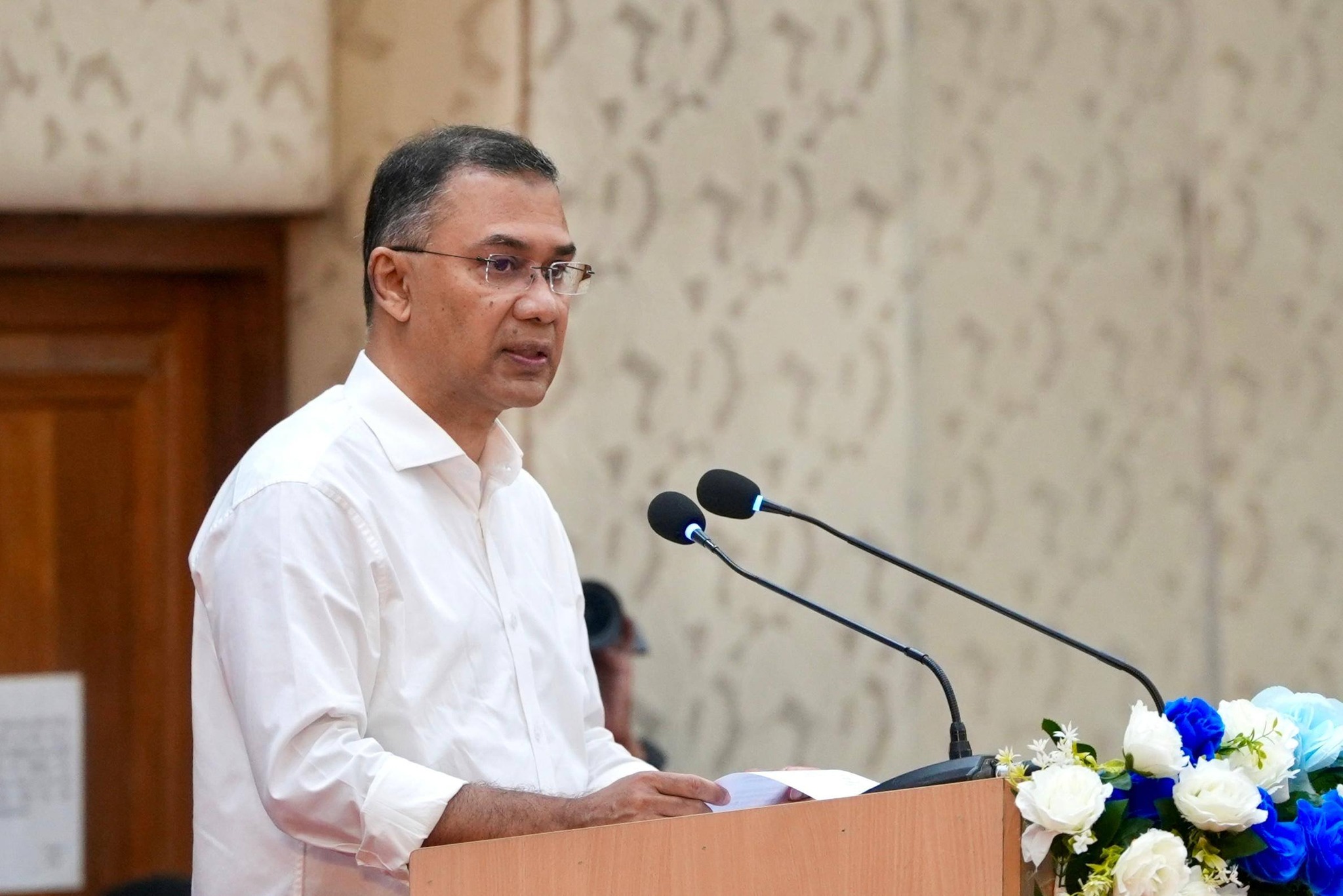
Responding directly to a student, he said: “Unfortunately, the kind of image we associate with Dhaka University is not reflected in international rankings.”
He was more specific still: “In rankings, research publications, citations, and innovation are given more importance. If universities do not pay attention to research and innovation, it will become hard for us to survive in the competitive world.”
He concluded that DU’s standing could improve if merit-based recruitment and a stronger research culture were ensured.
This is the head of government, on DU’s own campus -- making essentially the same diagnosis as Bobby Hajjaj. The only difference was the forum and the phrasing.
According to media report, DU’s latest budget allocates just Tk 21.57 crore to research -- a mere 2.08 percent of its total expenditure. Spread across over 2,000 teachers, that works out to roughly Tk 1 lakh per faculty member per year -- an amount that makes serious, internationally competitive research not just difficult, but structurally impossible.
As a former student of Dhaka University, one thing has become clear to me: research is not something the institution actively builds you toward -- it is something you pursue in spite of it.
There is no coherent institutional pipeline to channel student curiosity into academic output. Access to international journals is a persistent obstacle. The path to publishing in top-tier journals is neither mapped nor supported.
 For all latest news, follow The Daily Star's Google News channel.
 Students who manage to produce research work do so largely through personal initiative and individual faculty goodwill.
That is not a research culture. That is individual heroism within an institutional vacuum.
The faculty side is equally troubling.
At a genuine research university, hiring and promotions are anchored to scholarly output. At DU, political alignment and personal proximity to senior faculty have long played a disproportionate role -- again, not a fringe allegation, but one acknowledged by the prime minister himself when he noted teachers “were probably not recruited in the way they should have been.”
Yet when Hajjaj voiced these same concerns, many chose to treat him as an enemy of the institution rather than engage with the substance of his criticism.
This reaction, however emotionally understandable, was a missed opportunity. Institutional pride, when it functions as a shield against accountability, stops being pride and starts being denial.
It is also worth clarifying what Hajjaj’s criticism was not. He was not attacking DU’s students. He was targeting the administrative and structural failures of the institution.
Students who took personal offence were, in effect, defending an administration that has not always defended their academic futures. Their energy would have been far better spent pressuring that administration -- and the government -- to close the gaps Hajjaj and the prime minister both identified.
DU deserves better. Hajjaj said the uncomfortable part out loud. The prime minister said the same thing from a formal podium a few weeks earlier.
The real question is not whether the criticism was appropriate. It is whether anyone in power will do anything about what it described.
Comments