Who protects women in Bangladesh's gig economy?
Recently, I was pleasantly surprised, but also concerned, to meet a woman food delivery rider at my doorstep, a sight that is still uncommon in Bangladesh's gig economy.
When I asked her about her work, she told me that she was a third-year undergraduate student who had taken up gig work to cover her expenses until she could secure a more stable job. She also owned a bicycle, which she had bought a few years earlier with her savings and now uses to make food deliveries.
This brief encounter made me wonder whether, amid the growing national and global discussions about recognising gig workers, women gig workers are being adequately included in the conversation.
Gig economy is growing, but protections are not
The gig economy, also known as the platform economy, is here to stay and is projected to be worth USD 21,450 billion by 2033. It refers to a labour market in which work is offered through digital platforms. Such work is typically casual, non-permanent, may involve variable hours, and is paid on a piece-rate basis. Common occupations include food delivery, ride-hailing services, domestic work such as home cleaning, childcare and elderly care, as well as freelance work, among others. For women, domestic work, beauty services, and personal care remain the most common forms of gig work, rather than occupations that require greater outdoor mobility, such as food delivery.
Globally, the gender wage gap in the gig economy stands at around 30%, shaped by factors including differences in qualifications, occupational choices, expected pay rates, and caregiving responsibilities.
The risks associated with gig work include low pay, precarious employment, difficult and sometimes dangerous working conditions, one-sided or non-existent contracts, and the absence of legal and social protections. Together, these factors leave workers with little job security and limited opportunities for career progression.
Bangladesh's platform economy has expanded rapidly over the past decade, with estimates suggesting that nearly 800,000 people are engaged in gig work. Women are also participating in the sector in increasing numbers. In Dhaka alone, nearly 93.8% of the female workforce is employed in the informal sector.
Women gig workers described incidents in which they were called to provide services at a household but, upon arrival, found the circumstances suspicious because no women answered the door. Instead, men continued the communication. The workers chose to leave in order to protect their own safety. There have also been cases in which women gig workers received requests to provide services without official booking confirmation through the platforms.
Between 2020 and 2023, Fairwork, in partnership with the DataSense, research unit of iSocial, carried out annual assessments of the working conditions of gig workers in Bangladesh. The findings showed that the country lacks an adequate regulatory framework to uphold labour standards in platform work. The assessments also found that platforms such as Foodpanda, Uber, and Sheba.xyz frequently classify workers as "partners", "freelance riders", or "independent service providers", rather than formally recognising them as employees. This creates the impression that workers are self-employed and that the platforms bear little or no responsibility towards them.
Another study by DataSense, conducted in collaboration with Data & Society, found that although platforms monitor working hours, many workers continue taking on additional work because they fear losing future opportunities. While commissions and working hours are tightly structured, transparency regarding wages, bonuses, and leave remains limited. Festival bonuses also continue to be awarded at the discretion of platforms rather than through a formal policy.
The gendered reality of gig work
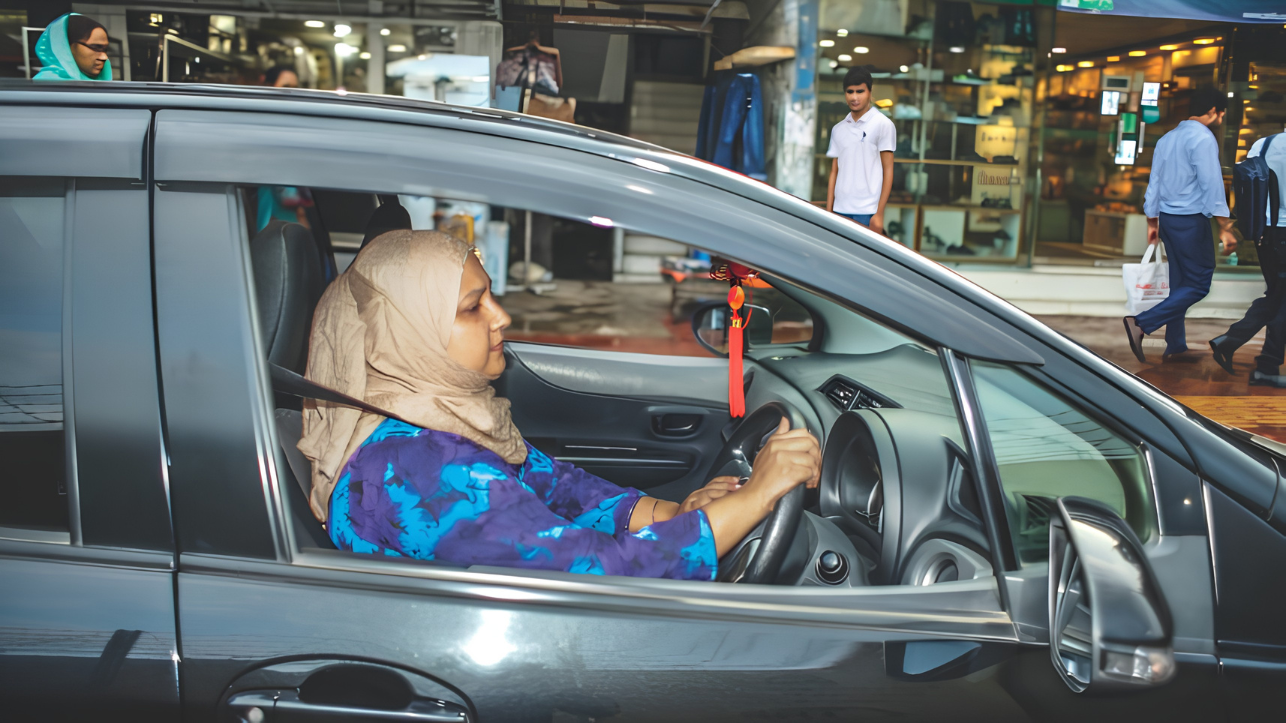
Women occupy a particularly precarious position within this already fragile ecosystem. The work they most commonly perform, including domestic and care work, beauty services, and personal care, continues to be undervalued, underpaid, and burdened by gendered stigma. Women who take on work traditionally performed by men, such as food delivery, remain significantly underrepresented.
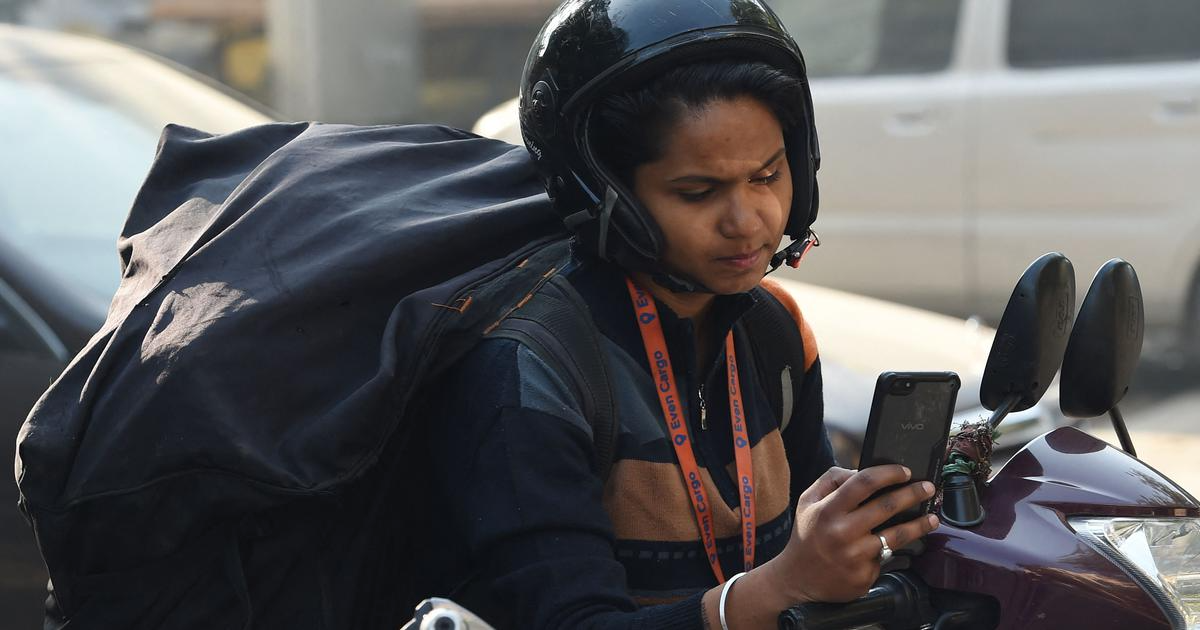
Access to a mobile phone and an internet connection is essential for participating in gig work. Yet, as of 2024, Bangladesh had a 40% gender gap in mobile internet adoption and a 20% gender gap in mobile phone ownership. Women in both urban and rural areas face greater barriers than men in accessing mobile internet because of the high cost of handsets and internet services, limited digital literacy, and concerns about safety and security.
According to the DataSense and Data & Society study, women gig workers described incidents in which they were called to provide services at a household but, upon arrival, found the circumstances suspicious because no women answered the door. Instead, men continued the communication. The workers chose to leave in order to protect their own safety.
There have also been cases in which women gig workers received requests to provide services without official booking confirmation through the platforms.
A lack of trust in law enforcement agencies further discourages women gig workers from filing complaints. Although some platforms provide complaint mechanisms, many women do not feel comfortable reporting incidents because they fear losing their jobs or facing other repercussions. Moreover, while workers are often screened at the entrances of customers' residences, comparable measures have not been put in place to ensure that customers do not pose a threat to workers.
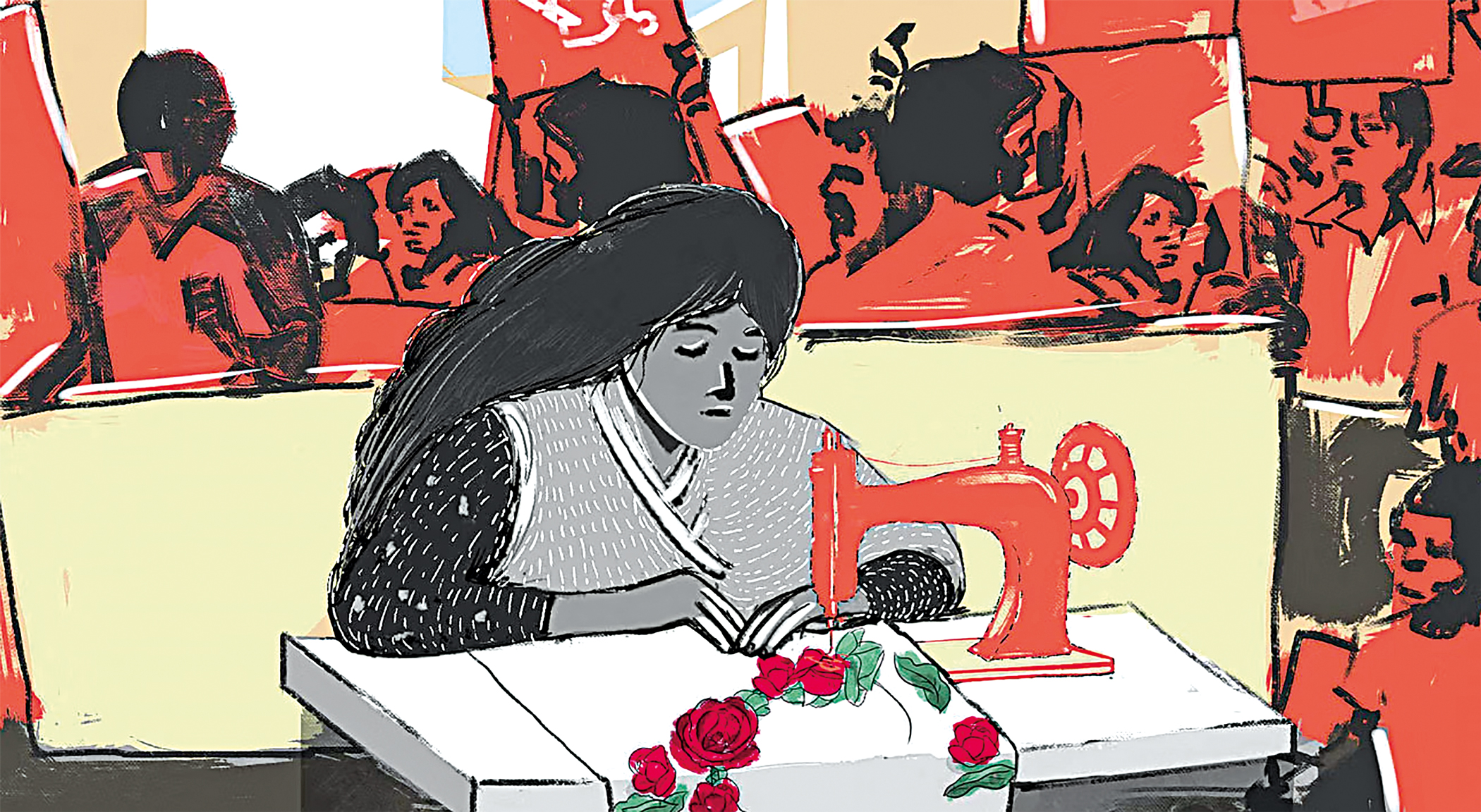
The absence of formal agreements also means that women are frequently expected to undertake additional responsibilities at the request of employers.
Longstanding socio-cultural norms have also normalised disrespectful treatment of gig workers. For women, this is compounded by gender-based violence and discrimination, both of which frequently undermine their dignity at work.
There are also instances in which women gig workers receive no work or support during pregnancy or while coping with other health concerns.
Furthermore, when customers lodge complaints and workers are dismissed, platforms rarely monitor what happens to those workers afterwards or assist them in accessing additional training or alternative employment. Nor have platforms established robust mechanisms to determine whether workers were actually at fault before taking disciplinary action.
Public toilet facilities across the country are also neither sufficiently safe nor adequately designed to meet women's needs. As a result, women who work outdoors face additional challenges in managing menstruation and other health-related needs.
A step forward, but the policy blind spot remains
In 2025, Bangladesh became the first country in South Asia to ratify the ILO Violence and Harassment Convention, 2019 (No. 190). Under this convention, workplaces will be required to provide safe, decent, and harassment-free working conditions for all workers.
In the latest Fairwork Bangladesh assessment in 2023, two platforms, Daraz and Sheba.xyz, scored five out of 10 for worker protection, improving from zero in previous years.
The newly elected government has placed youth employment and inclusive growth at the centre of its agenda. Promoting programmes that empower women has also emerged as a key commitment under its 31-point outline for structural reform in Bangladesh. The recently introduced family card programme, which identifies women as the primary recipients, is another significant initiative.
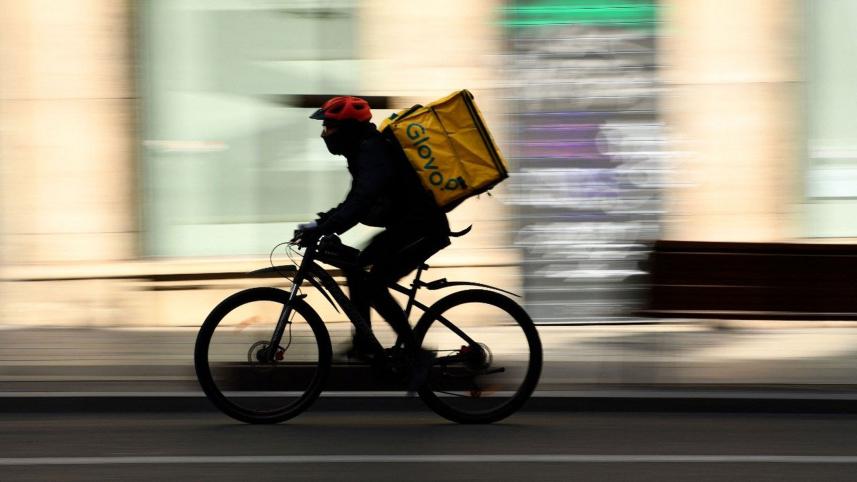
Despite these positive developments, labour reform discussions and policy planning continue to pay little attention to gig workers, particularly women. This omission is significant because, without proactive regulation, gig work risks becoming a parallel labour market that is productive but remains fundamentally unprotected.
A lack of trust in law enforcement agencies further discourages women gig workers from filing complaints. Although some platforms provide complaint mechanisms, many women do not feel comfortable reporting incidents because they fear losing their jobs or facing other repercussions. Moreover, while workers are often screened at the entrances of customers' residences, comparable measures have not been put in place to ensure that customers do not pose a threat to worker
What must be done
• Formally recognising women gig workers under labour law and establishing a dedicated regulatory framework for platform work.
• Mandating written contracts that clearly define gender-responsive fair wages, working hours, scope of work, leave entitlements, and workplace safety protocols.
• Ensuring access to maternity protection, medical emergency support, insurance, healthcare coverage, and social protection programmes.
• Establishing gender-responsive grievance redress mechanisms that workers can access without fear of retaliation.
• Improving public amenities, including women-friendly public toilets and safer roads.
• Collecting comprehensive, sex-disaggregated data on gig workers to inform policy.
• Establishing clear accountability mechanisms for digital platforms, with specific responsibilities for protecting women workers, given their role as intermediaries between gig workers and customers.
• Introducing upskilling and reskilling programmes that enable women to overcome the structural barriers and gender inequalities that continue to shape gig work.
Maisha Zaman is a research and communication professional. She can be reached at maisha.zmm@gmail.com.
Send your articles for Slow Reads to slowreads@thedailystar.net. Check out our submission guidelines for details.

More than refugees: How Rohingya youth are reclaiming their story
Behind every cup / The mental toll on women tea workers
From Shyamnagar to Kurigram: Women work, but where is the income?
Waiting for April: The other side of migration in the Sundarbans
Where have Bangladesh’s hilsa gone?

Lead poisoning in Bangladesh: A crisis ignored for too long
Who recycles Bangladesh’s garment waste?
Bangladesh running out of options on Rohingya crisis: Is there a way out?
Construction of the Sugandha-Kalatoli beach road / A grave threat to Cox’s Bazar’s sand dunes