


PM Tarique’s Malaysia visit signals revival of BNP’s ‘Look East’ policy

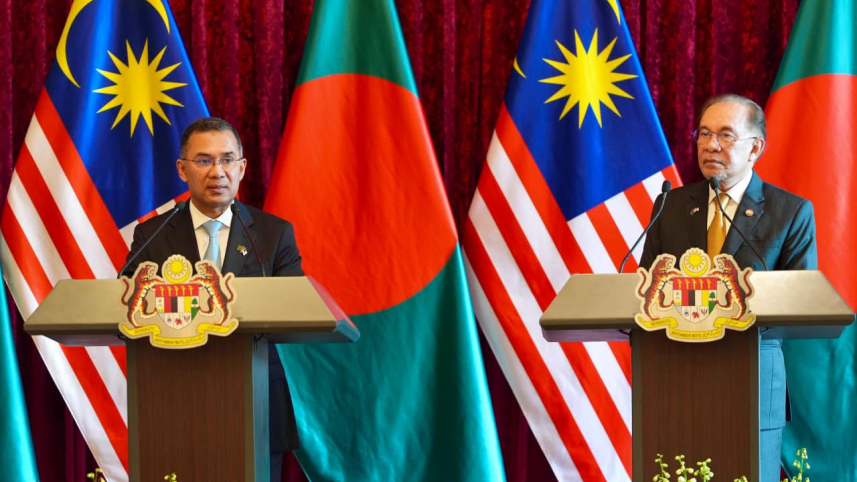
Prime Minister Tarique Rahman’s first overseas visit since taking office -- to Malaysia -- signals the BNP government’s broader foreign policy shift towards East and Southeast Asia.
Foreign policy analysts say the trip reflects an effort to revive BNP’s earlier “Look East” policy in response to changing geopolitical and economic realities in the Indo-Pacific.

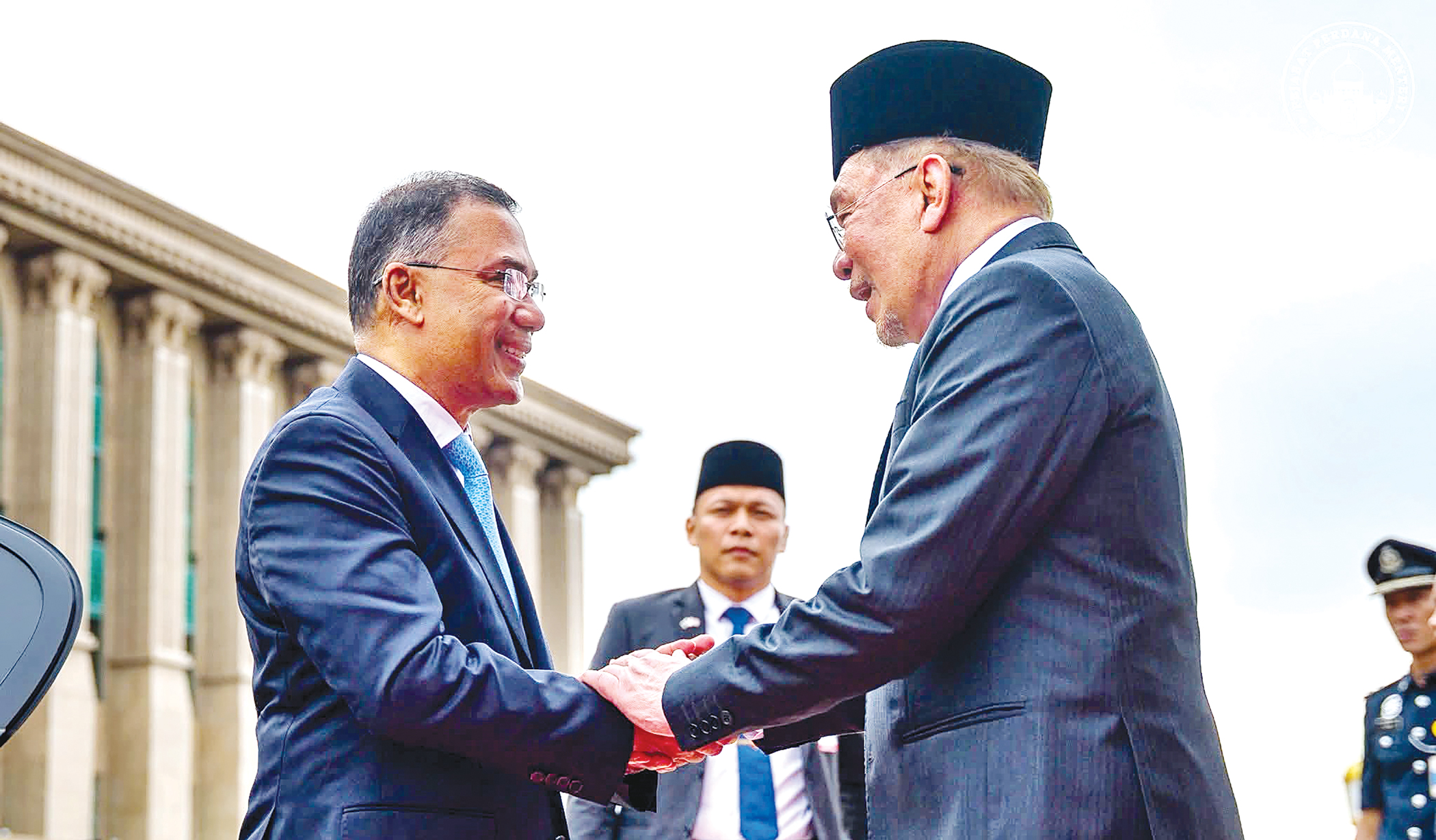
The June 22 talks between Tarique and his Malaysian counterpart Anwar Ibrahim in Putrajaya focused on expanding trade, investment, technology, energy, defence and strategic cooperation.
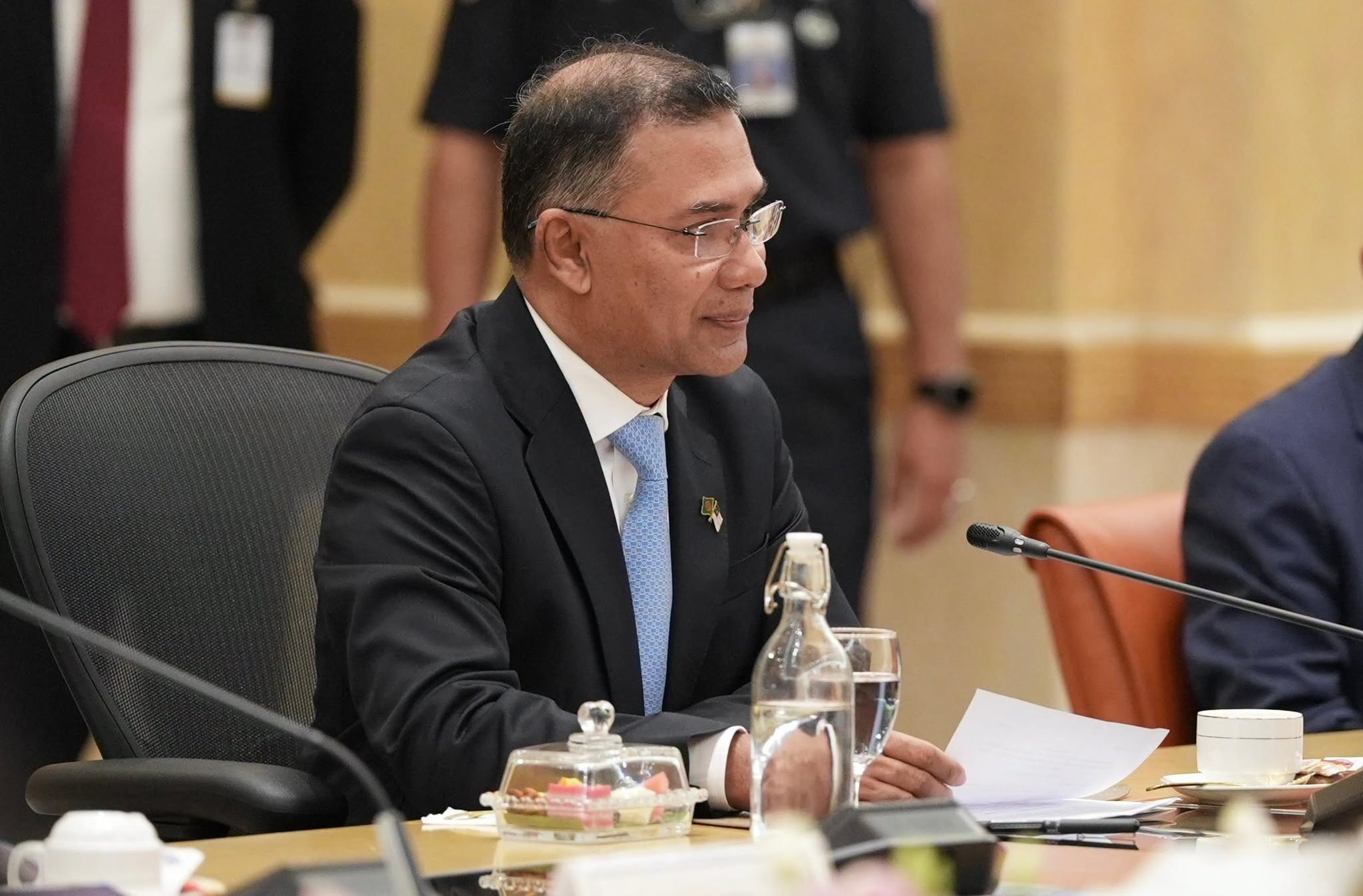
“This visit by Bangladesh seems to be an effort to come out of the box,” said former Bangladesh High Commissioner to Malaysia Shameem Ahsan.
“The talks on LNG supply, cooperation in the semiconductor industry, the halal industry, and academic cooperation all signal an eventual strategic partnership,” he added.
Anwar Ibrahim described the visit as a step towards strengthening Malaysia-Bangladesh friendship and strategic cooperation, while Tarique Rahman said the discussions reaffirmed the two countries’ enduring bonds and shared aspirations for prosperity.
Analysts say the joint statement reflected an effort to redefine bilateral relations.
The two sides discussed cooperation in artificial intelligence, LNG supply, energy, defence training, oil and gas exploration, and technical skill development. They also agreed to revitalise the long-inactive joint commission mechanism to accelerate economic cooperation and negotiations on a free trade agreement (FTA).
For decades, Bangladesh-Malaysia ties have largely centred on migrant labour. Around 800,000 Bangladeshis currently work in Malaysia, and labour recruitment has often dominated bilateral engagements. This time, however, discussions extended well beyond that, though labour-sector reforms remained on the agenda.
Former high commissioner Shafi U Ahmed said the visit should be viewed in terms of expanding economic opportunities and strategic regional cooperation rather than labour recruitment alone.
Bangladesh currently runs a significant trade deficit with Malaysia. In 2025, Malaysia exported goods worth $2.35 billion to Bangladesh against imports of just $500 million.
Analysts say an FTA, which Malaysia has agreed to negotiate, could improve market access for Bangladeshi products. Malaysia also pledged support for Bangladesh’s bid to join the Regional Comprehensive Economic Partnership (RCEP), the world's largest free trade bloc.
Energy cooperation also featured prominently. Bangladesh invited Malaysian firms to explore oil and gas in the Bay of Bengal, while Shafi U Ahmed said Malaysian state energy giant Petronas appears increasingly interested in such opportunities.
“Malaysia is a net energy exporter and can become a sustained partner in energy cooperation,” he said.
Jalal Uddin Sikder, associate professor at North South University, said the visit should be viewed in a broader strategic context.
“The BNP government adopted a 'look east' policy in 2001-02, and Tarique Rahman appears to be extending that approach through Malaysia, an influential ASEAN member,” he said.
“This visit is more about trade and the economy than labour,” he added.
Analysts say Malaysia’s expertise in halal certification, IT and technical industries could help Bangladesh develop skilled manpower and boost exports.
 For all latest news, follow The Daily Star's Google News channel.
 Sikder noted that the global halal industry is projected to grow from $2.6 trillion in 2025 to nearly $3.9 trillion by 2030.
Labour migration nevertheless remains part of the broader restructuring effort. The sector has long been associated with corruption, exploitation and syndicate control, prompting Malaysia to seek greater transparency before further expansion.
Reflecting this concern, the joint statement stressed need-based worker quota approvals and transparent recruitment. Bangladesh also emphasised upskilling workers in technical, IT and halal sectors, signalling a shift away from dependence on low-skilled migration.
The visit also carried wider regional significance. Malaysia remains one of Asean's influential members and has consistently supported Bangladesh on issues such as the Rohingya crisis.
Analysts say closer ties with Malaysia could help Bangladesh deepen its engagement with Asean as Dhaka seeks greater economic integration with Southeast Asia.
The warm diplomatic reception accorded to Tarique, including meetings with Anwar Ibrahim and Malaysia’s King Sultan Ibrahim, was also viewed positively.
“Altogether, the BNP government is trying to diversify cooperation. What is important is to make the efforts functional,” Shafi U Ahmed said.
Comments