


Ties with India, China not zero‑sum: Khalilur
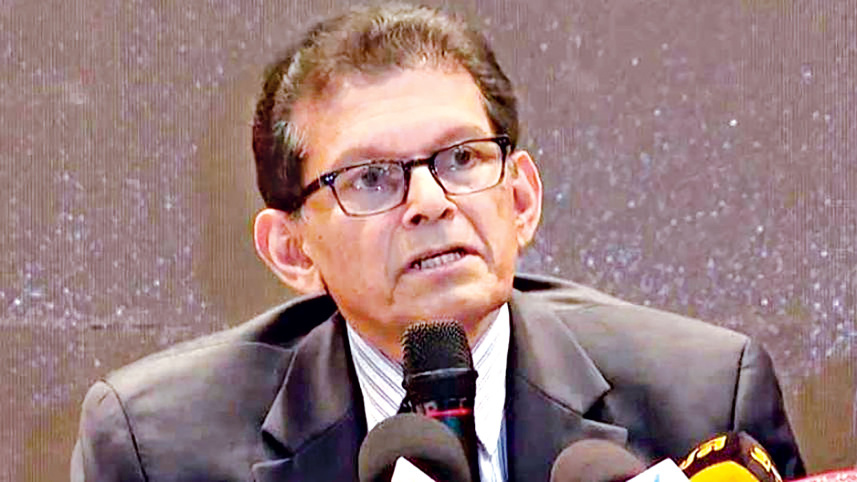
Bangladesh’s relationship with India or China is not a zero-sum game, Foreign Minister Khalilur Rahman has said, assuring that any concerns India may have in this regard should be put to rest.
A zero‑sum game in international relations refers to a situation where one country’s gain equals another’s loss, often leading to competition over cooperation.
 For all latest news, follow The Daily Star's Google News channel.
 “Our relationship with India or China is not a zero‑sum game. If there are worries, we expect our Indian friends to state them clearly with specifics,” Khalilur told Indian media during his visit to Mauritius on Friday.
He discussed various aspects of Indo‑Bangla ties, which saw strains during the interim government but are now moving toward improvement.
During his April 7–9 visit to New Delhi, Khalilur met Indian External Affairs Minister S Jaishankar, Petroleum and Natural Gas Minister Hardeep Singh Puri, and National Security Adviser Ajit Doval before flying to Mauritius to attend the Indian Ocean Conference.
In a separate interview with The Hindu in Port Louis, he mentioned a possible visit by Prime Minister Tarique Rahman to India.
“There will be a visit, but we have not yet finalised the dates. In the run‑up to the visit, there will be many activities,” he said, as he elaborated on how Bangladesh wants to improve relations slowly but surely.
Speaking to NDTV, Khalilur stressed: “Our relations with other countries are not at the cost of India. We cooperate fruitfully with China and do brisk business with India. We have negative trade [trade deficit] with both countries. These are dictated by market prices.”
“Let us put these worries to rest and not view these relationships in ways that do not help. If there are issues, let us work together. Tell us if there is any specific problem,” he said, adding that both countries are willing to engage and move forward.
“However, success must be based on trust and confidence. That’s why I told my Indian counterparts we prefer to move surely, slowly but steadily, to build confidence between our peoples. It might take time, but that way it will be durable. We must not repeat past mistakes and must keep dialogue open under all circumstances -- good or bad.”
Amid the fuel supply challenges arising from the war in the Middle East, Khalilur emphasised cooperation not only in energy but also in other areas of common interest. He expressed satisfaction with India’s assurance of increasing energy supplies to Bangladesh.
The Ganges Water Sharing Treaty with India expires in December, while the Teesta deal remains unsigned despite preparations in 2011 -- issues that have raised concerns in Bangladesh.
Khalilur said the Ganges water is a matter of life and death, and Bangladesh seeks a new or revised treaty that meets essential needs.
“The risk of not sharing water appropriately means our livelihood and agriculture are affected, and climate vulnerability increases. An equitable, climate‑proof arrangement will be one of the first tests of our reset,” he said.
On climate challenges, Khalilur stressed long‑term solutions: “People are people -- whether in India or Bangladesh. They face the same crises. I see no option but to work together in good faith with eyes on the future.”
He noted that Bangladesh resumed issuing all types of visas to Indians three days after the new government took office and expects reciprocity. “People‑to‑people contact will sustain our relations. If they cannot reach us, you deny a vital source of trust and confidence.”
Suspension of Indian visas had created humanitarian problems, he said, with Bangladeshis seeking medical treatment in Kunming, Bangkok, and Singapore. “I hope our Indian colleagues understand this and ease restrictions in the coming weeks.”
The foreign minister also said Bangladesh faced propaganda from India after the fall of the Awami League and Sheikh Hasina’s escape to India, which deeply concerned policymakers in Dhaka.
“The problem is that wrong narratives create perceptions stronger than reality. Let us ensure our narratives are not negative while we build confidence and trust.”
Comments