


Government must not shrug off custodial deaths
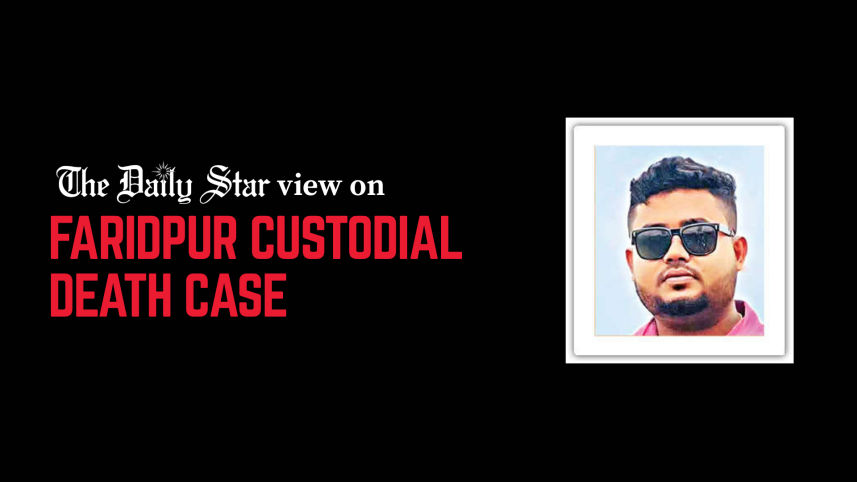
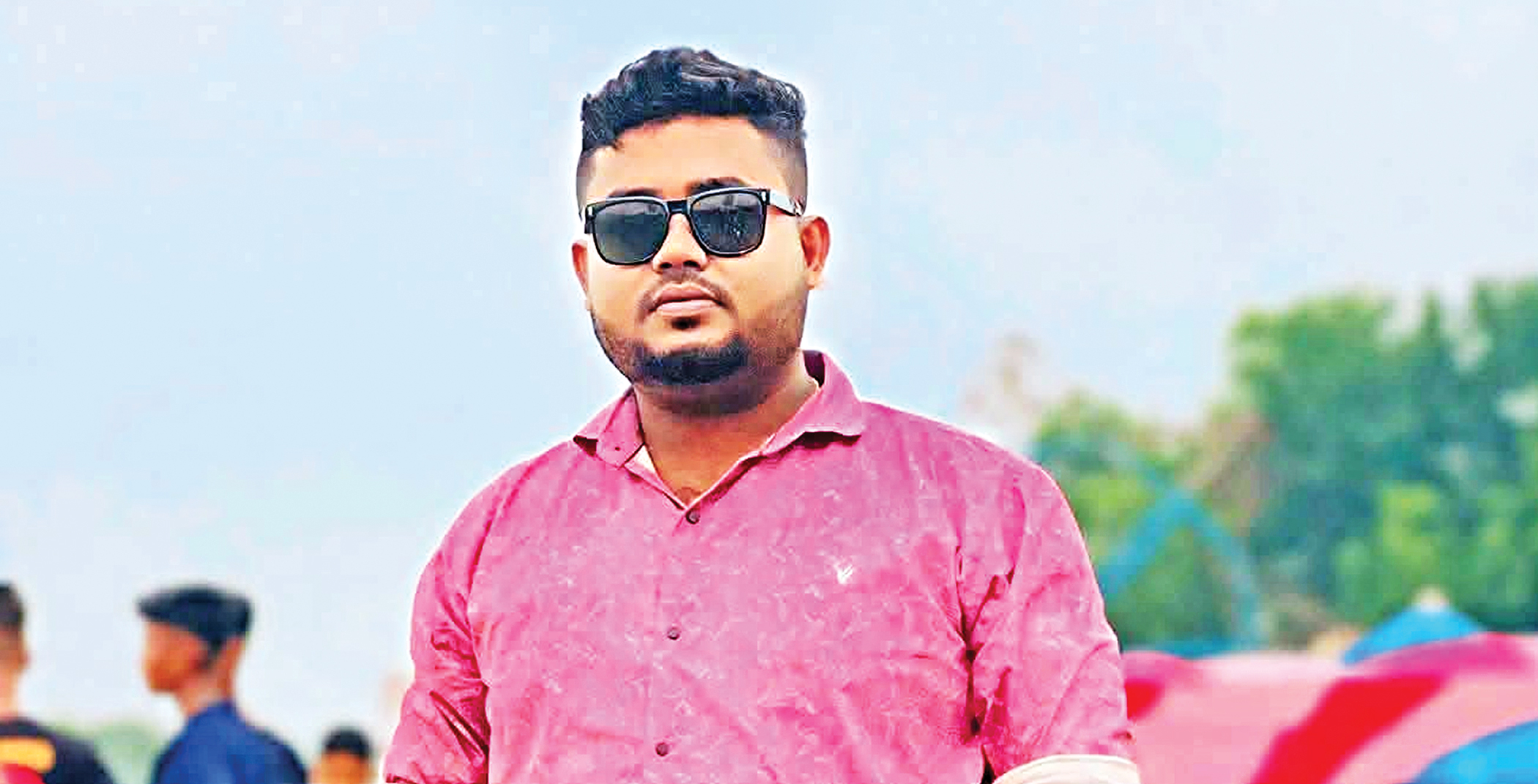
The reality of 24-year-old law student Istiak Ahmed Pranto’s death in police custody demands much more than a police probe. He was detained by Faridpur’s Detective Branch of Police on June 20 and by the next morning, he was declared dead in a hospital. What happened during the intervening hours of his detention and death remains contested. The police version, filed in the first information report (FIR), is straightforward: a tip-off about cannabis traders led to a search, which turned up narcotics in Pranto's trouser pocket. Later, the detainee reportedly prayed at dawn, fell ill, and died despite treatment.
According to a report in this daily, almost every element of that account is contested. Witnesses named in the FIR claim they were not present when drugs were allegedly recovered and say they signed the document under pressure. Photos and videos from the time of his arrest show Pranto wearing a lungi, not trousers—a detail his family confirms, and one the arresting officer has struggled to explain. Furthermore, a relative who spent the night negotiating with officers for Pranto’s release alleges the conversation quickly shifted from recovered narcotics to a demand for cash as bribe. This shows that the official narrative is riddled with holes.

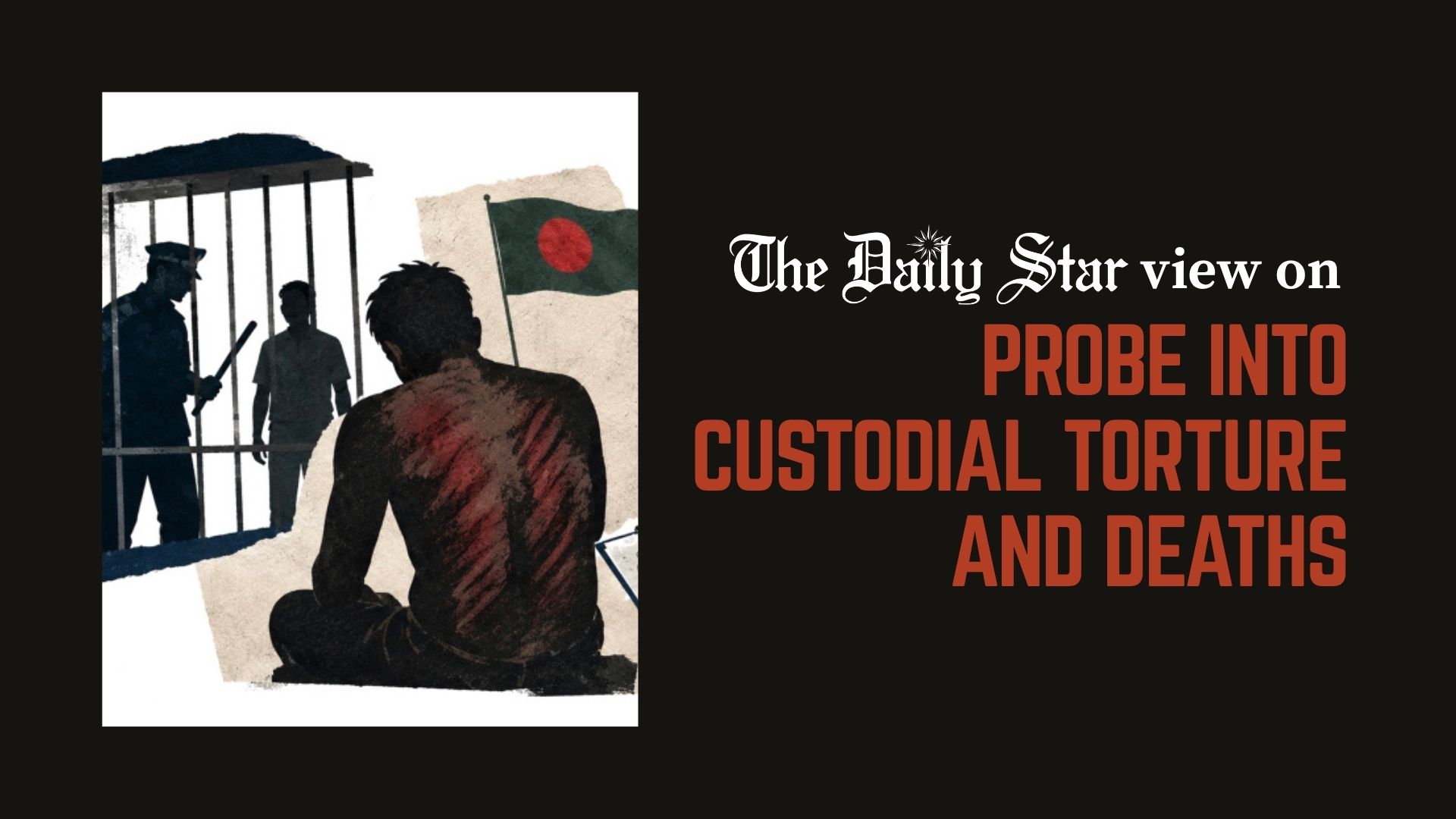
Human rights groups have consistently documented a pattern of custodial deaths in Bangladesh, describing them not as isolated incidents, but as a systemic feature of policing. When a family alleges beating on their doorstep, extortion, and a fabricated narcotics charge filed only after the detainee's death—and when the investigating officer refuses to explain glaring discrepancies—the burden of proof does not fall on a grieving mother. It falls squarely on the agency that took a young man into custody alive and returned him dead.
The government’s response thus far has been predictable: a probe committee led by an additional superintendent of police. The committee was initially given seven days to complete the probe, but it has since sought seven more days. This does not seem to be a serious mechanism for investigating a custodial killing. A case of this magnitude requires an independent, magistrate-led or judicial inquiry. Such a body must have the power to compel testimony, order forensic scrutiny of the post-mortem and reported injuries, and demand a public accounting of the officers' movements and phone calls during that fatal night.
Crucially, Pranto's family ties to the Awami League politics must not serve as a pretext for sweeping this case under the rug. While political affiliations may complicate the public narrative, they must not be allowed to obscure the physical evidence, which will ultimately prove or disprove the police's account. Custodial deaths test a state's willingness to hold its enforcers to the same standards it demands of its citizens. Historically, Bangladesh has failed this test. It should not fail again under the new government. The authorities must conduct an honest, transparent investigation, starting with this one.
 For all latest news, follow The Daily Star's Google News channel.
Comments