


Proper implementation of the budget is key
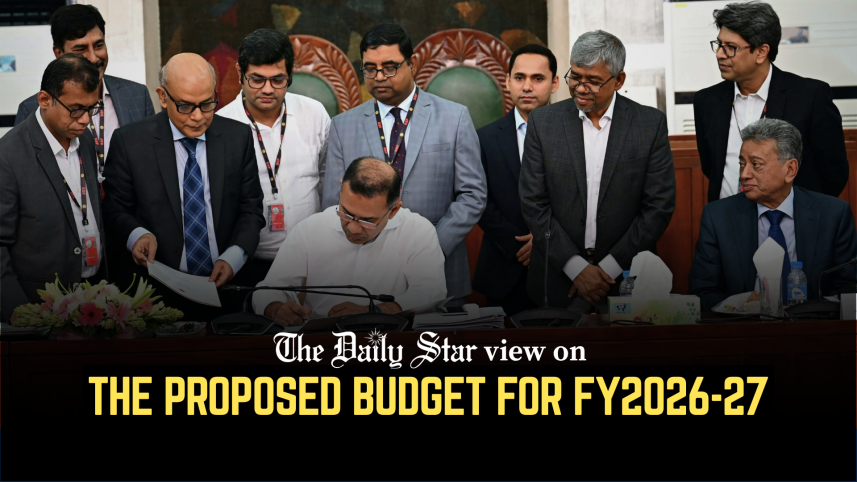
At a time when the country’s economy is reeling under pressure due to multiple domestic and external factors, including years of governance failure, corruption, wars or conflicts, and geopolitical tensions, an expansionary budget seems a risky venture. Yet, Finance and Planning Minister Amir Khosru Mahmud Chowdhury presented the largest annual budget in the country’s history, amounting to Tk 938,000 crore. This ambitious budget has 10 broad, laudable visions, including boosting private investment, creating jobs, driving economic growth, ensuring financial stability, and promoting inclusive development. But how these goals will be funded remains unclear.

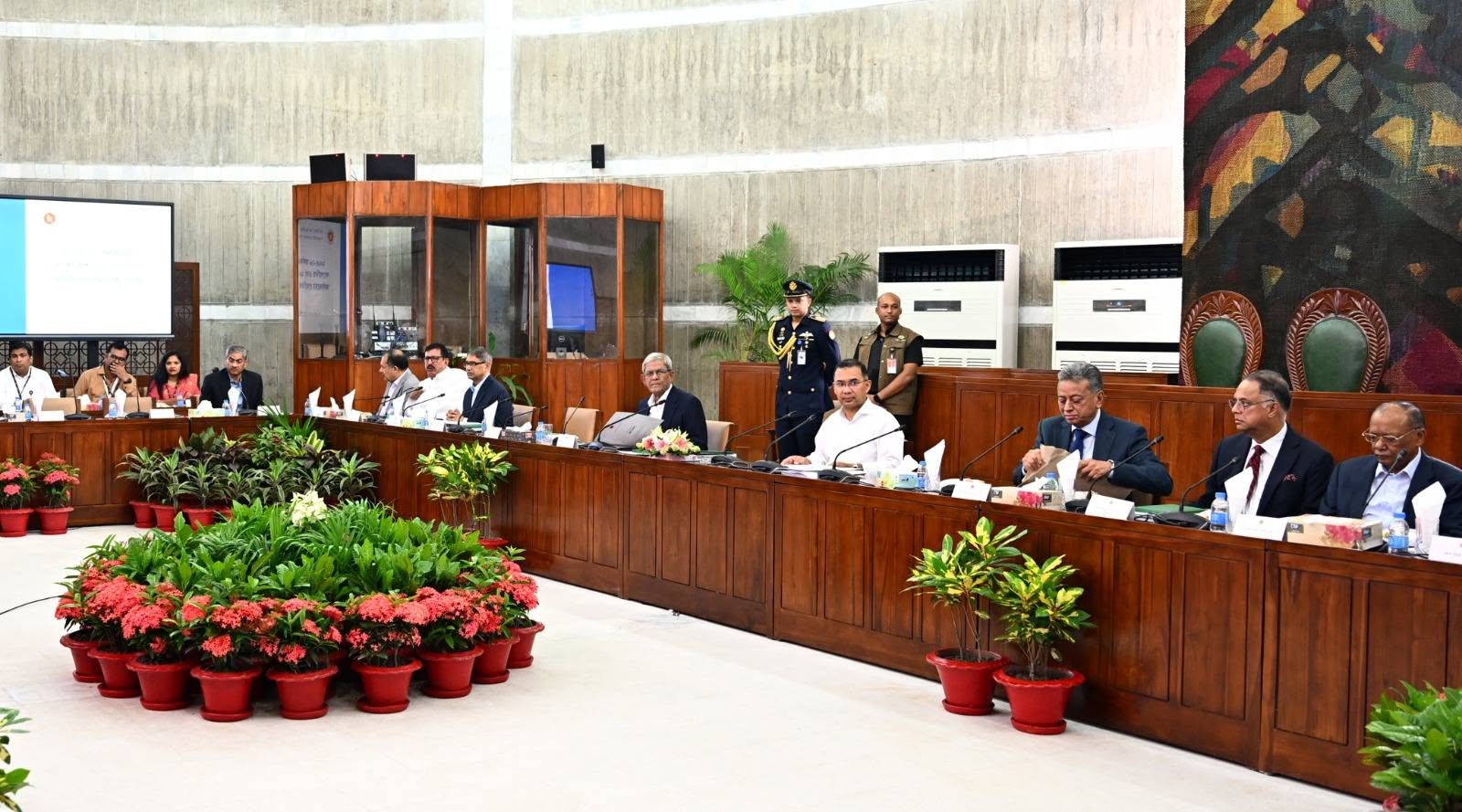
The BNP government has set a revenue target of Tk 695,000 crore, of which Tk 604,000 crore is expected to be collected by the National Revenue Board (NBR) through taxes and duties. This is, it should be mentioned, the same revenue authority that has failed to meet its collection target by Tk 1 lakh crore in the outgoing fiscal year. In fact, over the last one decade, NBR has never been able to meet its collection target as Bangladesh’s tax-GDP ratio remains one of the lowest in the world. This raises the question: how likely is it that the tax-GDP ratio of 8.84 percent will be reached in FY2026-27, when the ratio fell to 6.8 percent in FY2025-26?
Besides, the plan to finance the Tk 243,000 crore deficit through domestic and international sources will not only add to the nation’s debt burden but also risk crowding out the private sector from bank credit. This plan comes at a time when the IMF’s loan awaits renegotiation. Although the government has proposed reducing bank borrowing, limiting it to Tk 112,000 crore, such a plan is contingent on the availability of external sources. The government talks about strengthening the capital market but does not provide a clear outline of how the corporate bond market will be utilised in this context. Also, there is hardly any mention of addressing the weaknesses in the banking sector.
However, the proposed budget, in line with BNP’s centrist political vision, aims to create a positive business environment. The income tax rates proposed for the next five years would provide predictability, which has been welcomed by business leaders. Deregulation to aid international trade and investment, incentives for foreign direct investment, removal of excise and supplementary duties in several sectors, commitment to gradually lowering corporate taxes, and extending customs bond facilities to all export-oriented sectors are among the notable measures that the government has promised to undertake in the upcoming fiscal year. One piece of good news that the proposed budget brings is that of an automated advance tax refund. This works as an incentive for taxpayers in many advanced economies. If implemented properly, all these measures would drive private investment growth.
At the same time, the government’s vision to promote non-traditional and non-manufacturing sectors by expanding tax benefits for freelancers of all industries—not just the IT sector—as well as content creators is commendable. This, along with the increased allocation in the education sector, with a focus on foreign languages and AI- and tech-based knowledge, indicates that BNP is aiming to cash in on the country’s demographic dividend by embracing the shifting global demand. In fact, the new budget’s education and health allocations as shares of GDP are the highest in the country’s history—a demand that has been on the table for a long time.
Whether these increased allocations will be put to proper use is another story, however. Many of the proposals regarding the health sector, such as establishing modern primary health units at every union- and ward-level public health facility, expanding bed numbers in upazila health facilities, or making physiotherapy available there, would only work if there is enough manpower to provide health services. Although the budget does talk about increasing recruitment of doctors and healthcare workers, ensuring they remain at their stations is a challenge no past government could overcome. However, the government's plan to issue e-health cards and ensure 80 percent of health workers are women deserves appreciation.
Indeed, women’s empowerment and security have received considerable attention in the new budget proposal, from education to transportation to entrepreneurship. The other vulnerable group that has received special attention is senior citizens. The budget proposes free train rides for people above 65 and a 50 percent subsidy on metro rail fares. The overall social security allocation proposed marks almost a 14 percent increase from that of the outgoing year.
Another new feature of this budget is the proposed investment in the creative economy. The plan is to focus on promoting cultural heritage, commercially viable cultural goods, creating a national pool of designers, and investing in boosting the country’s brand value. Initiatives such as the establishment of sports villages and raising the tourism sector’s contribution to GDP also deserve appreciation.
It is not surprising that a political party that has returned to power with a huge mandate after almost two decades would try to ensure that its first budget reflects its election promises. But whether it can make these promises come true is where the ultimate challenge lies. It might be wise for the government to revise the budget as necessary so that it aligns well with the prevailing ground realities. Ambition and inflated numbers have hurt the nation in the past. We hope BNP will take note, and not walk that same path.
 For all latest news, follow The Daily Star's Google News channel.
Comments