


Stop the rape of our children
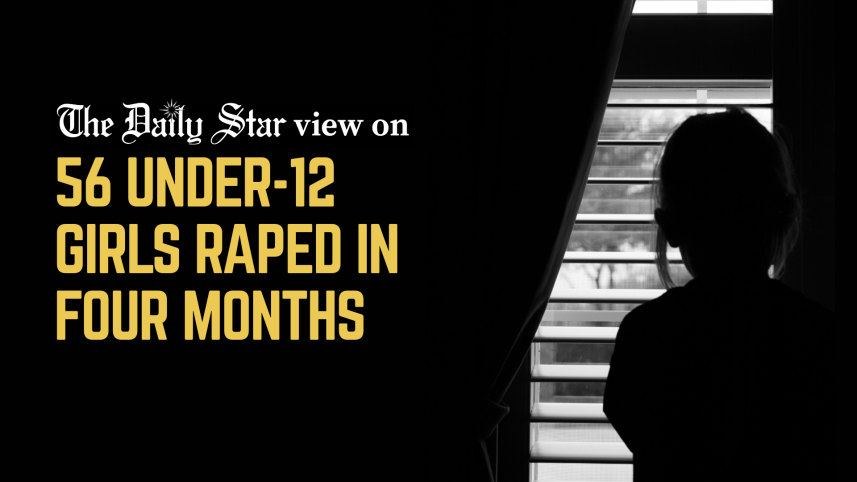
The recent horrifying case of an 11-year-old girl in Netrokona found seven months pregnant after allegedly being raped by her madrassa teacher has rightly spurred widespread public outrage. But this case is one of a larger, more disturbing pattern. The latest data from Ain o Salish Kendra show that at least 56 girls under the age of 12 were raped in the first four months of 2026 alone. Sixteen of them were under six years old. In 2023, 58 girls aged between seven and 12 were raped. In 2024, the number was 63. In 2025, it was 148. At the current pace, 2026 will surpass even that grim record. In most cases, perpetrators were neighbours, relatives, or teachers; people in positions of trust. We must ask, as we have asked before: why do perpetrators continue to feel so emboldened?

Activists working in this field attempt to locate the answers in a culture of continuous impunity, negligence by law enforcers, and an erosion of social values. It is not the absence of laws but the absence of consequences that is failing our children; Bangladesh's rape conviction rate is among the lowest in the world. Over 35,000 cases of violence against women and children have remained pending before special tribunals for more than five years. The law mandates that cases be disposed of within 180 days. In practice, the average case takes 1,370 days, nearly four years, to resolve. In such a system, perpetrators have no fear of punishment, and so the violence continues.
The government has spoken of plans for a dedicated children's affairs department and expanded awareness programmes, which we welcome. But intent without institutional follow-through has been the pattern for too long. We call on the authorities to ensure all pending child rape cases are fast-tracked through the courts without further delay; that victim and witness protection mechanisms are established and enforced; that One-Stop Crisis Centres are made fully operational in every district; and that educational institutions are brought under active monitoring and mandatory reporting obligations. The state's most fundamental duty is the protection of its most vulnerable citizens, and it is currently failing that duty.
However, accountability cannot rest with the state alone. We as a society must confront our own failures. We have heard so many of these stories that we risk becoming numb to them, each case provoking only a moment of outrage before fading from public attention. Families must speak to their children about safety and bodily autonomy. Communities must stop protecting perpetrators in the name of honour or social peace. And we must refuse to let these numbers become routine.
 For all latest news, follow The Daily Star's Google News channel.
Comments