


Is Bangladesh ready for the age of AI-driven automation?

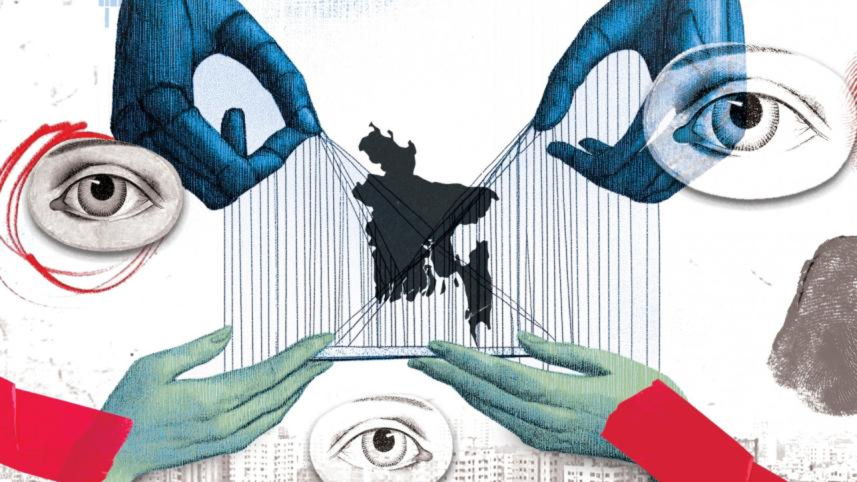
Artificial intelligence can now write, analyse, design, and even create art and music, while robots operate across factories, hospitals, and logistics networks. Within the next two decades, AI could replace a large share of both manual and cognitive jobs—impacting not only factory workers and drivers, but also clerks, professionals, and even policy advisers. This raises a fundamental question: if machines do most of the work, how will people earn a living?
It is a question for economists, policymakers, and society at large. In developed welfare states, particularly in the Scandinavian countries, strong social safety net systems provide a buffer against such disruption. Highly diversified economies, combined with continuous innovation, further soften the socio-economic impact of technological change.

But for Bangladesh, the challenge is far more immediate and complex. Bangladesh’s economic success has largely been built on labour-intensive sectors. The ready-made garment (RMG) industry alone employs more than four million workers and generates nearly 80 percent of the country’s export earnings. Around 40 percent of the labour force remains engaged in agriculture, while millions more work overseas, primarily in manual occupations. A large portion of this workforce has limited formal education and technical skills, leaving it particularly vulnerable to automation and the resulting risks of mass unemployment, widespread poverty, and social unrest. A practical response is a two-pronged strategy tailored to Bangladesh’s specific circumstances. The first one is building a strong social safety net. Article 15 of the Constitution of Bangladesh makes it a fundamental responsibility of the state to ensure every citizen’s basic needs, including food, clothing, shelter, education, and medical care. More than five decades after independence, this constitutional commitment remains only partially fulfilled.
The government’s priority should be to make existing welfare systems, which remain weak due to corruption, limited resources, and administrative inefficiencies, effective. Today, ordinary citizens pay more than 70 percent of healthcare costs out of pocket while access to quality education increasingly depends on the private sector, placing both services beyond the reach of much of the population. The state must introduce new social protection measures, including meaningful unemployment benefits and large-scale reskilling programmes. The second strategy would be diversifying the economy. Social protection can cushion the shock, but it cannot replace unemployment. The most promising pathway is to transform Bangladesh’s traditional lifeblood—agriculture—into a high-value, export-oriented sector. Through processed foods, high-value crops, organic farming, and Halal-certified products, Bangladesh is well positioned to capture a significant share of the Middle East’s $60 billion annual food import market, supported by its fertile land, favourable climate, and abundant rainfall.
This transformation demands a complete ecosystem—agro-processing industries, efficient cold storage and logistics, internationally recognised certification, and strong global branding. By moving up the value chain from raw produce to processed and branded goods, Bangladesh can boost exports while creating jobs.
Agriculture can be modernised gradually by integrating solar-powered irrigation systems, conservation of monsoon water, widespread use of organic fertilisers, application of AI in fertiliser and irrigation management, digital supply systems in agricultural marketing to ensure fair prices for farmers’ products, and smart logistics.
An often-overlooked area of strong potential for employment is handmade craftsmanship—well suited for revival in an age of robotic manufacturing. Economist Alex Imas argues that AI is not purely a threat: as incomes rise, demand shifts towards goods and experiences rich in human connection and craftsmanship. Many of the world’s leading brands of watches, leather bags, carpets, jewellery, and other luxury products continue to rely on fine hand craftsmanship and are sold at premium prices. Bangladesh’s rich artisanal heritage offers significant opportunities to generate employment and expand exports in this high-value sector.
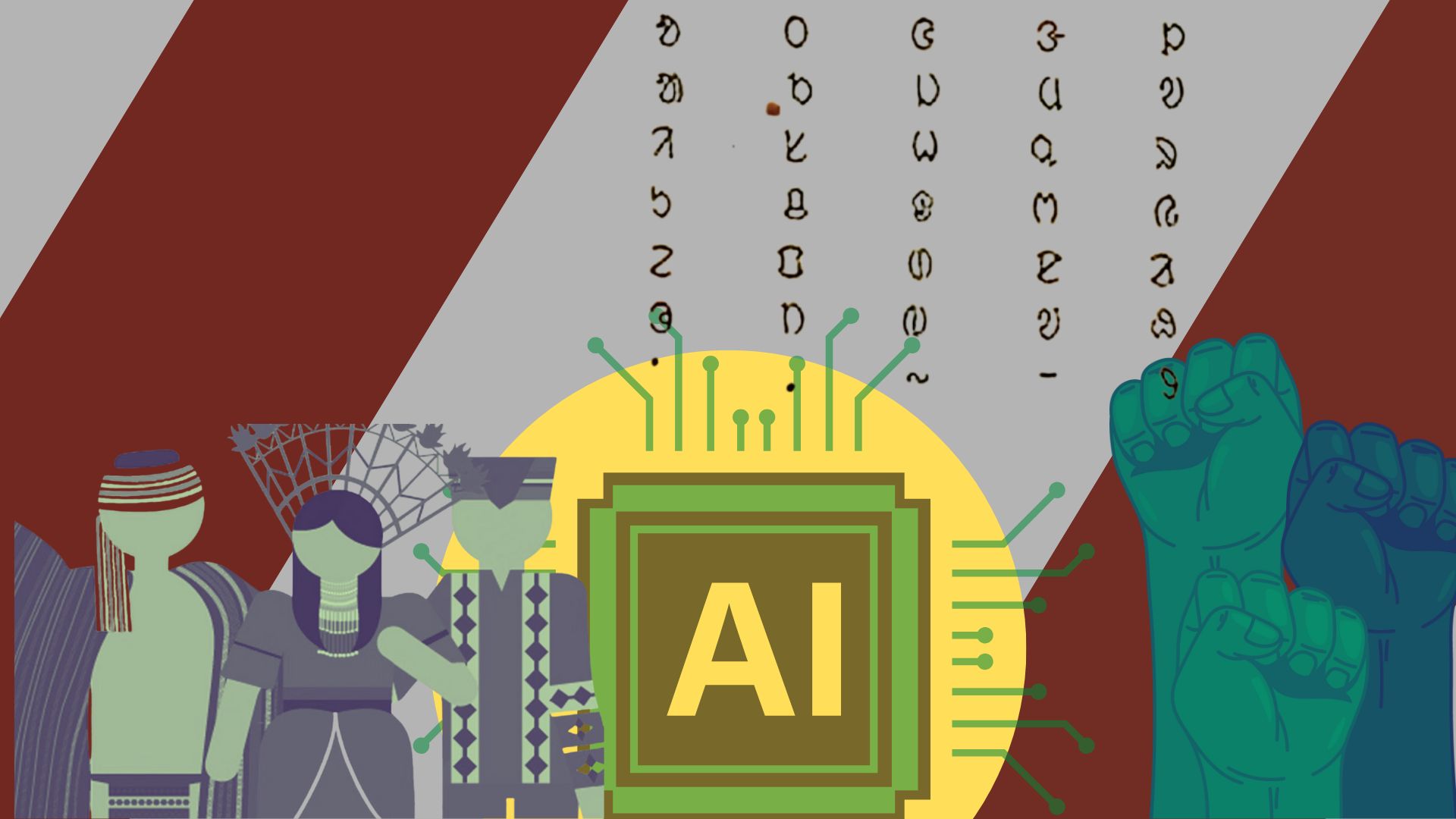
The rapidly growing ICT sector, which already employs hundreds of thousands in freelancing and online businesses, has the potential to expand further by training a new generation in coding and AI application development.
The modern global economy is built on global value chains, in which complex products are assembled from components manufactured in many different countries. For example, many components of Japanese automobiles are manufactured in countries such as Malaysia. Even in the age of AI and robotics, the production of specialised parts will continue to require human skills and technical expertise. With modest capital investment and targeted skill development, Bangladesh can integrate into these manufacturing networks. Bangladesh also has considerable potential to diversify into non-traditional services targeting international markets, including eco-tourism and the development of affordable and welcoming “second home” communities for Western retirees. Many emerging economies, such as Indonesia, Thailand, and Malaysia, have already achieved notable success with this model.
A stronger social safety net will provide stability. A diversified economy will create opportunity. Without the first, social disruption is inevitable. Without the second, long-term growth will falter.
The age of AI will not wait. The question is whether Bangladesh will.
Saifur Rahman is senior IT specialist based in Australia.
Views expressed in this article are the author's own.
Follow The Daily Star Opinion on Facebook for the latest opinions, commentaries, and analyses by experts and professionals. To contribute your article or letter to The Daily Star Opinion, see our guidelines for submission.
 For all latest news, follow The Daily Star's Google News channel.
Comments