


Decoding Pakistan’s diplomatic win in Iran-US ceasefire

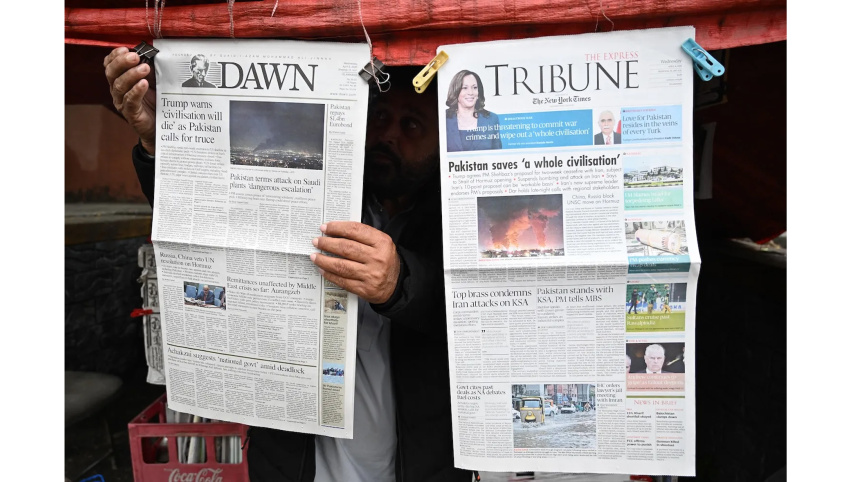
On April 8, Pakistan pulled off something few thought it could do: it helped bring the United States and Iran into a temporary ceasefire, more than a month after the US and Israel attacked Iran on February 28, pushing the region towards a wider catastrophe. US President Donald Trump publicly said he acted after conversations with Prime Minister Shehbaz Sharif and Field Marshal Asim Munir. Iranian Foreign Minister Abbas Araghchi also thanked Pakistan’s leadership for its efforts. Indeed, in diplomacy, public acknowledgement is a kind of currency, and this time Pakistan received it from both sides.

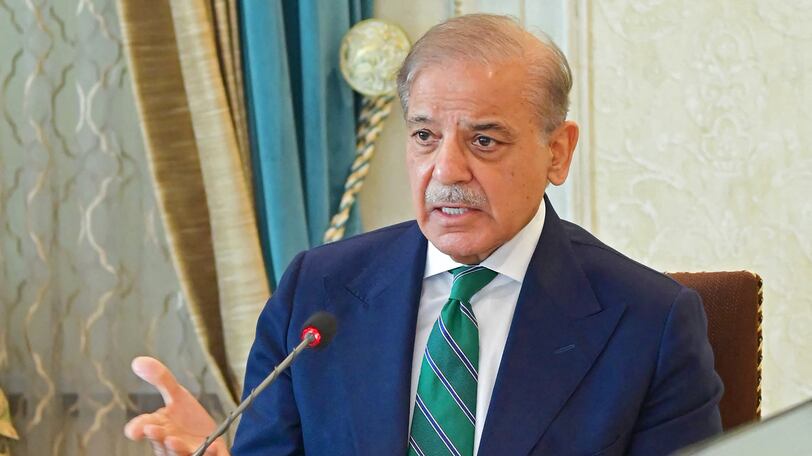
This was more than a symbolic intervention. Reuters reported that the talks were close to collapse after an Iranian strike on a Saudi petrochemical facility enraged Riyadh and threatened to blow up weeks of backchannel diplomacy. Pakistani officials then spent the night shuttling messages among Washington, Tehran, Riyadh, and others. Islamabad reportedly conveyed its gravest concern to Iran over the Saudi strike, while also pressing Washington for assurances that Israeli attacks would not continue in a way that made negotiations impossible for Tehran. Only after that did Iran agree to a temporary ceasefire and talks. That is not the work of a spectator state. That is crisis management under pressure.
It is also worth noting that this did not begin on April 8. By April 2, Pakistan’s foreign ministry was already saying that both Washington and Tehran had expressed confidence in Pakistan’s role as facilitator. Its spokesperson pointed to overlaps between the five-point peace plan discussed in Beijing and the outcome of consultations in Islamabad involving Pakistan, Saudi Arabia, Türkiye and Egypt. In other words, the ceasefire was not born from one dramatic phone call. It emerged from a layered diplomatic process that moved through Riyadh, Beijing, and Islamabad, with Pakistan trying to turn itself into the channel through which competing powers could still communicate.
Pakistan mattered because it occupied the right intersection of relationships. It has a long border with Iran and also maintains a mutual defence pact with Saudi Arabia. Moreover, it has working lines to Washington and, by several accounts, it also helped draw China into a more active role at a crucial stage. This combination is unusual. Most states in the region can talk to one camp or another. Pakistan, in this case, could talk to almost all of them without being immediately dismissed. That is what gave Islamabad relevance: not moral authority, but positional utility.
The first benefit for Pakistan is the most obvious one: self-preservation. The US-Israel-Iran war has been economically punishing, with businesses impacted worldwide. On April 2, Pakistan sharply raised fuel prices, with the price for petrol up 42.7 percent and that for diesel up 54.9 percent, as the conflict disrupted oil markets and threatened supplies moving through the Strait of Hormuz. For a heavily import-dependent economy already struggling with inflation, debt pressure, and fragile public patience, a prolonged war next door is a direct domestic threat. When the ceasefire news broke, global markets rallied and oil prices fell sharply. So, for Pakistan, its latest diplomatic move was an economic necessity rather than merely a prestige issue.
The second benefit for Islamabad is reputational. For years, Pakistan has often been discussed internationally through the language of instability, militancy, and debt, and portrayed as one dominated by the military and marked by democratic fragility. Pakistan’s success in talks with the US and Iran led to an agreement that briefly changed the script. The Guardian quoted analyst Michael Kugelman calling it Pakistan’s “biggest diplomatic win in years.” That may sound grand, but the broader point holds. If Islamabad hosts US-Iran talks and remains central to the process, it can present itself not merely as a troubled state asking for patience, but as a state that still offers geopolitical utility. In foreign policy, usefulness often opens doors faster than virtue.
There is also a more strategic dividend Islamabad will want to collect in the future. A successful mediation strengthens its hand with Washington at a time when Pakistan has been trying to reset ties beyond the old security lens. It reassures Gulf partners that Islamabad is not an unreliable bystander in moments of regional emergency. And it reminds China that Pakistan can be more than a corridor or a client. According to reporting in The Guardian and Al Jazeera, China’s role became more important in the final stretch, but Pakistan appears to have helped create the diplomatic architecture within which that role became useful.
Still, Pakistan should resist the temptation to overread the moment. The ceasefire is fragile, and the disagreements over it are enormous. Reuters reports that Washington still wants Iran to halt enrichment, curb missiles, and give up nuclear material while Tehran insists on sanctions relief, acceptance of enrichment, and continued control over Hormuz. Even the scope of the ceasefire remains disputed, especially over Lebanon. Over the night of April 8, Israel bombed several commercial and residential neighbourhoods in Lebanon, killing over 200 people. Most world leaders condemned the strike, while Iranian authorities called it a “grave violation” of the US-Iran ceasefire, raising doubts on whether the ceasefire would hold. So, Pakistan’s diplomatic success for the current episode may be real, but it is provisional.
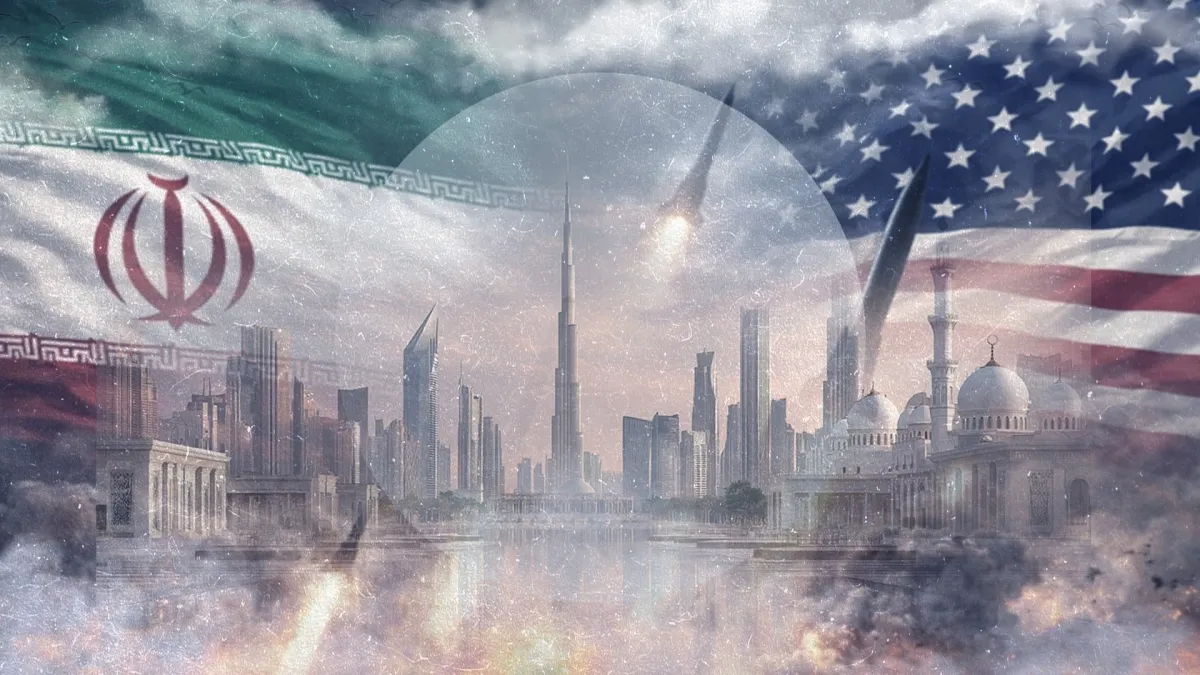
Besides, Pakistan was not the only country playing an important role. Reuters reported that Turkish intelligence also played a part in the deal-breaking, like China did, according to other media reports. That means Pakistan was not the sole architect of the temporary peace between the US and Iran, but rather the most visible broker in the crowded and dangerous diplomatic field of the Middle East.
The real test begins now. Pakistan has shown that under pressure, it can still utilise geography, military channels, regional ties, and diplomatic relationships as leverage. The harder question is whether it can convert the temporary ceasefire into lasting foreign policy credibility. This is the big challenge now, which requires steadiness, not triumphalism. It requires accepting a simple truth: Pakistan did not become stronger because it solved the US-Iran crisis. It became stronger because, for one critical week in April 2026, too many powerful actors discovered they could not move forward without Pakistan.
Asif Bin Ali is a geopolitical analyst and doctoral fellow at Georgia State University in the US. He can be reached at abinali2@gsu.edu.
Views expressed in this article are the author's own.
Follow The Daily Star Opinion on Facebook for the latest opinions, commentaries, and analyses by experts and professionals. To contribute your article or letter to The Daily Star Opinion, see our guidelines for submission.
 For all latest news, follow The Daily Star's Google News channel.
Comments