


How AI is changing the pharmaceuticals landscape

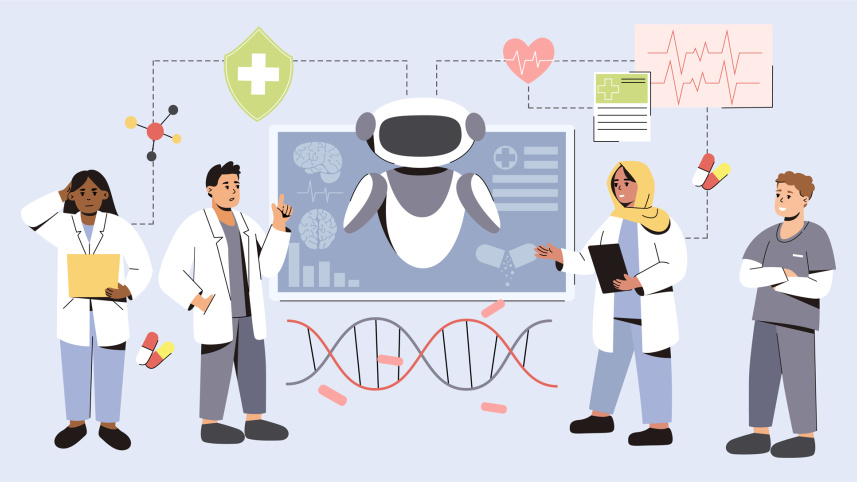
Nintedanib, a widely used drug for pulmonary fibrosis, received official approval in 2014 after its development began in 2000. It takes a new drug 10-15 years and an investment of a couple billions of dollars to reach the market. However, in 2025, rentosertib, another potential drug for the same indication (pulmonary fibrosis), took only 30 months to enter Phase-I clinical trials with the assistance of artificial intelligence (AI), which reduced the development time by around 70 percent.
Drug design is the primary stage of product discovery when scientists evaluate the molecular structure, shape, electronic charges, and various bonds within a molecule or biologic to target the human receptors (that is, the sites of drug action) or proteins. With the use of computer-aided AI, this process could be performed precisely and accurately.

Clinical trials comprise the most time-consuming and critical part of introducing a new product, and AI can provide support for protocol development based on input data, patient recruitment, record keeping, real-time data analysis, correlation with previous data, and monitoring improvements. This application reduces the time and investment required for product introduction while also boosting accuracy. Notably, clinical trials account for around 60 percent of the total research and development cost.
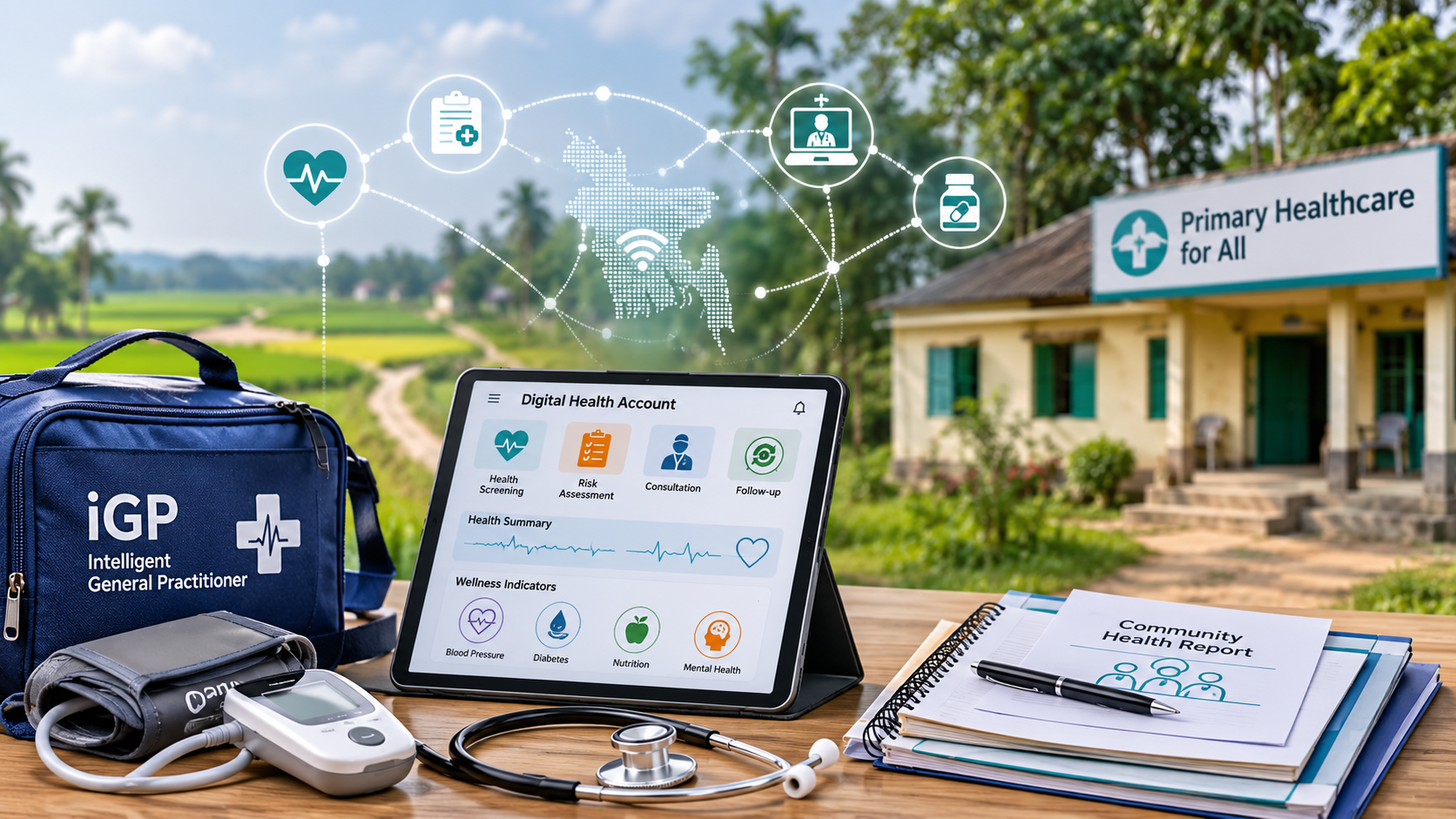
The product registration process in pharmaceuticals involves a lot of technical data submission. AI speeds up electronic Common Technical Document (eCTD) preparation, health data base analysis, regulatory intelligence, and data quality management. AI-powered pharmaceutical production is, therefore, increasingly gaining traction. Computer programme-based real-time data sensors, process optimisation (temperature, pressure, and humidity control), and automatic defect identification are helping minimise waste, improve time management, and enhance productivity. Furthermore, pharmaceutical formulation requires a deep understanding of the complex interactions between active ingredients and excipients, where AI algorithms help predict possible attributes and outcomes.
Quality control is critical for the safety, efficacy, and consistency of pharmaceutical products, and AI is now an integral part of this process. AI-powered vision inspection systems enable faster and more accurate defect detection in tablets, capsules, and packaging. AI can also monitor laboratory and manufacturing equipment to predict potential failures before they disrupt production or ruin a batch. Additionally, AI supports data integrity and anomaly detection, document and Standard Operating Procedure (SOP) reviews, and smart batch release.
Pharmaceutical inventory management is challenging because it involves thousands of products and materials. By analysing historical trends and current demand, AI enables more accurate demand forecasting, automatic reordering, and improved risk and supply chain disruption management. In all, AI reduces instances of stock shortages, lowers inventory costs, improves logistics, and ensures better forecasting accuracy.
Personalised medicine is a new frontier in healthcare management, and AI impacts this field tremendously. By integrating genetic information, lifestyle factors, and other relevant data, AI tools enable healthcare professionals to develop personalised treatment plans, optimise drug selection and dosage, predict treatment responses, and improve overall patient outcomes.
At present, content creation is central to promoting pharmaceutical products. In this regard, too, AI significantly improves productivity by aiding the development of a wide range of promotional materials. The technology enables the rapid creation of presentations, infographics, training materials, marketing videos, draft reports, and scientific content. It also supports efficient data analysis, result interpretation, and content personalisation, allowing pharmaceutical companies to communicate more effectively while reducing development time and ensuring greater consistency and accuracy. AI can study customer behaviour and trends to offer precise predictions about upcoming needs, which helps companies familiarise products or formulate customised marketing campaigns.
To ensure safety and efficacy of pharmaceutical products, post marketing surveillance is an utmost priority and also a regulatory requirement. AI tools are adept at adverse event detection, signal management, risk assessment, and regulatory and feedback collection.
AI is transforming almost every sector of the pharmaceutical industry, from drug discovery to post-marketing surveillance. By reducing development time, improving accuracy, optimising resources, and enabling data-driven decision-making, AI is making pharmaceutical innovation faster, more efficient, and cost-effective.
We should view AI as a powerful tool that complements scientific expertise and human judgement. For those in the local pharmaceutical industry, successful implementation will require high-quality data, strong regulatory frameworks, good governance, and a skilled workforce capable of integrating AI into pharmaceutical practice. As technologies continue to evolve, companies that embrace responsible and strategic adoption will be better positioned to accelerate innovation, improve patient outcomes, and ensure sustainable growth in the industry.
Dr Md. Abu Zafor Sadek is a pharmacist and deputy general manager at UniMed UniHealth Pharmaceuticals.
Views expressed in this article are the author's own.
Follow The Daily Star Opinion on Facebook for the latest opinions, commentaries, and analyses by experts and professionals. To contribute your article or letter to The Daily Star Opinion, see our guidelines for submission.
 For all latest news, follow The Daily Star's Google News channel.
Comments