


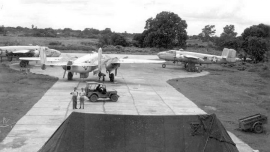
APO 433: Dhaka’s forgotten post office of World War II
5 HOUR(s)
•
In Focus
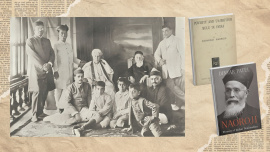
Dadabhai Naoroji: The man who exposed the economics of British colonialism
8 September 2026
•
In Focus

Untold stories of 1971 through private letters
7 September 2026
•
In Focus
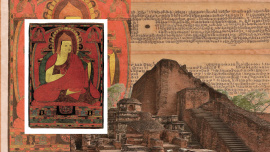
The extraordinary journey of Atish Dipankar Srigyan
6 September 2026
•
In Focus

Forgotten story of Jeanette Van Tassel, the American woman who flew over Dhaka in 1892
5 September 2026
•
In Focus
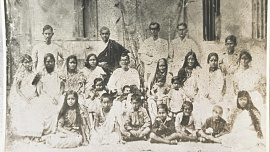
Beyond 1947 / A personal essay
4 September 2026
•
In Focus
Abul Mansur Ahmad / A global quest in search of a nation
3 September 2026
•
In Focus

Chand Bibi and the forgotten history of Muslim women’s political resistance
2 September 2026
•
In Focus
Women’s voices in Nazrul’s Dhumketu
31 August 2026
•
In Focus
How Milad-un-Nabi shaped Muslim cultural life in colonial Bengal
26 August 2026
•
In Focus
Fight for Justice
This timeline traces key moments, documenting adversity and progress, and offering insight into the quest for justice.
30 April 2026
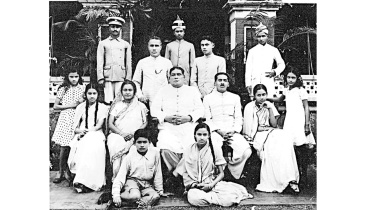
A glimpse into the formative years of Fazlul Huq
A. K. Fazlul Huq’s life began amidst the ‘Great Backerganj Cyclone’ of October 1876—one of the deadliest tropical cyclones in history.
29 April 2026
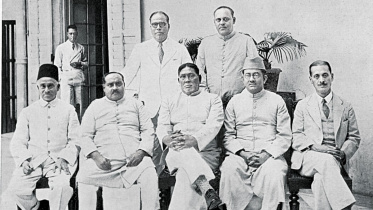
The making of democratic Bengal: Fazlul Huq’s KPP and 1937 election
The KPP, under the leadership of Fazlul Huq, gained significant popularity by appealing to the youth and advocating for radical change
28 April 2026

Fazlul Huq and the dream of a new Bengal in a United India
A.K. Fazlul Huq navigated the complex politics of Bengal, balancing a secular Bengali identity with the realities of pre-partition India.
27 April 2026
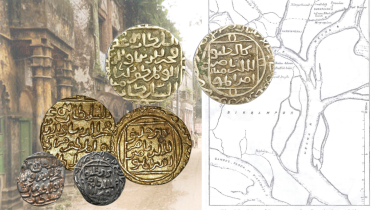
A new reading of Fakhruddin Mubarak Shah and Sonargaon’s independence
On the basis of numismatic evidence, it can be inferred that Fakhruddin Mubarak Shah declared independence in Sonargaon in 734 AH/1333–34 CE.
27 April 2026
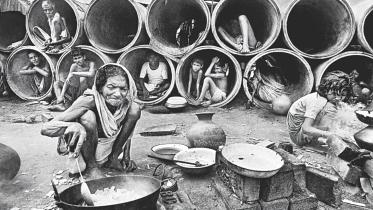
Raghu Rai: The man behind the lens
Indian photojournalist and member of the prestigious Magnum Photos, Raghu Rai, is better-known to Bangladeshis for the photos he took during our Liberation War in 1971.
26 April 2026
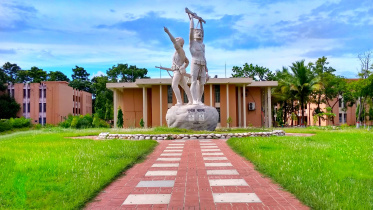
Khulna at 144: A city of fading glory and enduring grace
Long before it became a city, much of Khulna was part of the Sundarbans.
25 April 2026
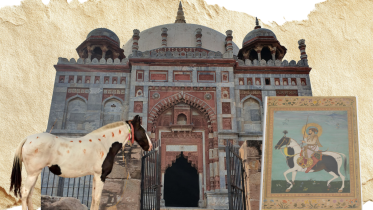
The untold history of horses in South Asia
The earliest text to highlight the horse is the Rig Veda, which contains hymns to warrior chiefs who rode horse-drawn chariots.
25 April 2026
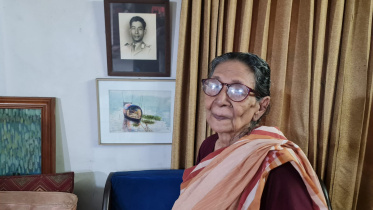
Maleka Khan: A guardian of memory
Maleka Khala—a soft yet steadfast woman to whom Bangladesh remains indebted.
22 April 2026
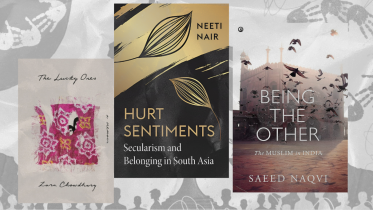
Hurt sentiments and majoritarian politics: South Asia’s crisis of secularism
A series of ‘riots’ since the 1980s fuelled the gradual ghettoisation of religious communities so that Hindus and Muslims do not live in such close quarters any more.
21 April 2026
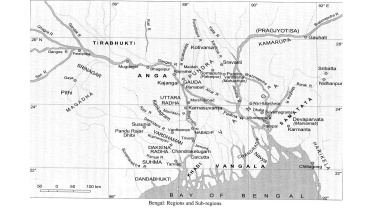
The Delta paradox: Prosperity and plunder in late medieval Bengal
In the seventeenth century, the southeast portion of the Ganga-Brahmaputra-Meghna (GBM) delta underwent environmental pressures of crisis proportions.
20 April 2026
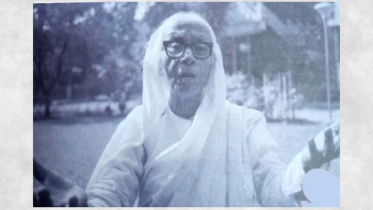
Zobaida Khatun Chowdhury: A life carved in courage
Zobaida Khatun Chowdhury shattered social veils, championing language and liberty to carve a fearless path for women.
19 April 2026

Rose Garden: A history of passion and pride
At K.M. Das Lane in Tikatuli, Old Dhaka, lies a majestic mansion called “Rose Garden”. Interestingly, it was built by one of the prominent zamindars of Dhaka, Hrishikesh Das, to host parties.
19 April 2026
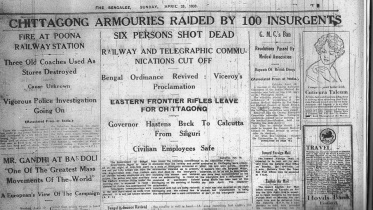
Surya Sen and the Chittagong Armoury Raid: The revolt that shook the Raj
An account of Surya Sen’s revolutionary leadership during the 1930 Chittagong uprising against oppressive British colonial rule.
18 April 2026
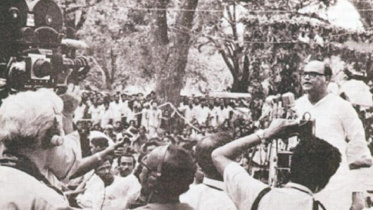
Witnessing a nation in the making: A journalist’s journey to Mujibnagar
The Mujibnagar government oath-taking ceremony on April 17 1971 at Baidyanathtala Meherpur 1971 legalized the Bangladesh government-in-exile 1971.
17 April 2026
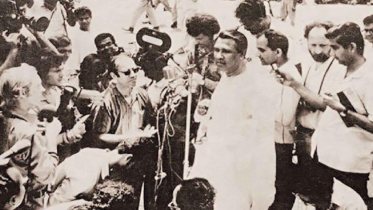
Bangladesh speaks to the world
Speech by Tajuddin Ahmad, the prime minister of Mujibnagar government-in-exile on 17 April, 1971.
17 April 2026

The pain of water
A lyrical meditation on Titash Ekti Nodir Naam, where Mallabarman and Ghatak intertwine rivers, memory, and Bengal’s fractured history.
16 April 2026
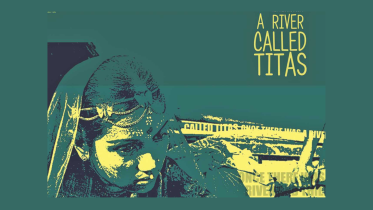
Adaitwa Mallabarman - An author of the soil
Apart from Titas Ekti Nadir Nam, his other works did not receive the recognition they deserved.
16 April 2026
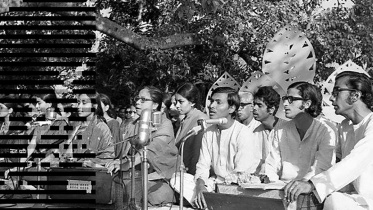
How did Pahela Baishakh become a public celebration?
Although the Bengali calendar has been in use for centuries, the tradition of celebrating Pahela Baishakh as a public festival is a relatively modern development.
13 April 2026
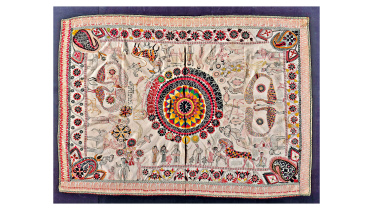
The Nakshi Kantha: Tradition and transformation
Originally made of worn-out saris, lungis or dhotis, the kanthas of Bengal had a functional, domestic use as coverlets, wrappings, pillow covers, ashons.
13 April 2026