


The ignoble end to America’s longest war
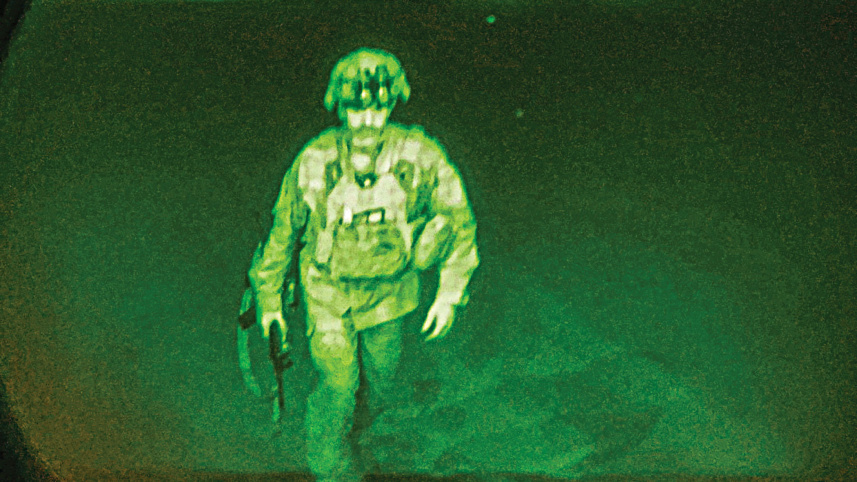
America's longest war ended ignobly, in the dead of night in Afghanistan.
A giant C-17 transport laden with troops and the US ambassador flew out of Kabul airport a minute before midnight local time on August 31, the deadline set by President Joe Biden.

Carrying his rifle down by his side, Major General Chris Donahue, commander of the storied 82nd Airborne Division, became the last US soldier to board the final flight out of Afghanistan, 20 years after they unseated Takiban from Power.
As a moment in history, the image of Donahue's departure could be cast alongside that of a Soviet general, who led an armoured column across the Friendship Bridge to Uzbekistan, when the Red Army made its final exit from Afghanistan in 1989.
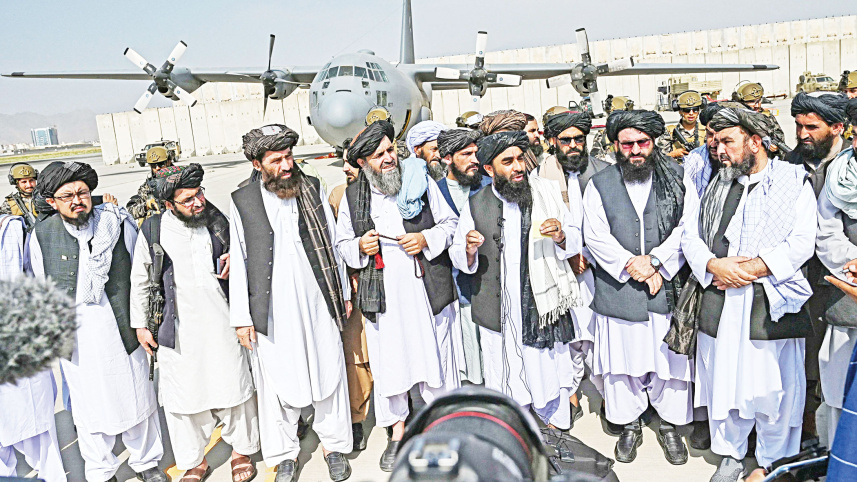
The land that had brutally rebuffed the British empire and the Soviet Union delivered the same result to the modern world's superpower.
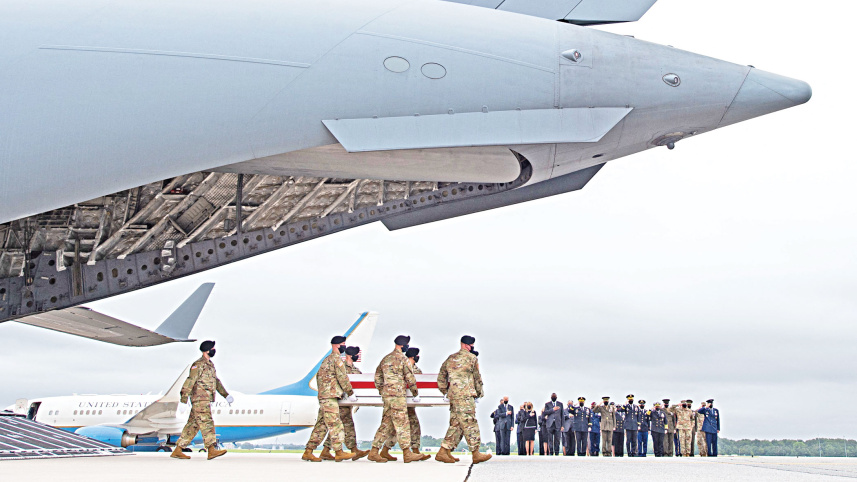
The image of President Joe Biden attending a ceremony where he recieved the bodied of 13 soldiers' , who died in a blast around Kabul airport ,flag-draped caskets Sunday at the air force base in Dover, Delaware, could well be the lasting one of America's war.
With great irony, the US exit depended heavily on trusting the Taliban to provide security around the airport against the Islamic State threat.
The primary front of the "War on Terror" declared after the 9/11 attacks, Afghanistan became almost an afterthought as the administration of George W Bush decided in 2003 to invade Iraq as well to oust then-leader Saddam Hussein.
Rather than exit either after victory, the US took on nation-building tasks which it had not prepared for.
Meanwhile the US-backed government in Kabul proved corrupt and ineffective at consolidating its power and the Taliban persisted as a potent insurgency.
But the costs to Washington were immense: 2,356 US military deaths, and an overall financial cost of $2.3 trillion, according to Brown University's Watson Institute.
The end began under president Trump, who came to office in 2016 promising to end the "Forever Wars."
After initially increasing troops to 16,000, with no lasting impact on the Taliban, he entered negotiations with the insurgents and reached a deal to withdraw troops.
After replacing Trump, Biden conducted a review and opted to proceed with the drawdown, though buying four months extra, to August 31, for what he hoped would be an orderly pullout.
Behind the scenes, he and his advisors concluded that the Afghans could not or would not wage the fight themselves.
But the end came faster than Washington expected. They had planned an orderly evacuation, aiming to avoid the debacle of the US withdrawal from Vietnam, famously captured in a photo of scores of Vietnamese trying to climb aboard a helicopter atop the US embassy in Saigon.
"There's going to be no circumstance where you see people being lifted off the roof of a embassy of the United States from Afghanistan," Biden said on July 8.
Five weeks later, when the Taliban marched into Kabul with no resistance, a surge of Chinook helicopters landed on the grounds of the US embassy to whisk American diplomats to safety. Meanwhile an arguably more harrowing scene erupted at the airport: tens of thousands of Afghans rushing there in a desperate bid to flee, a few even clinging to US planes as they took off -- only to fall from the sky.
 For all latest news, follow The Daily Star's Google News channel.
 The war began before smartphones and social media existed and ended with the viral video posted last week by a Marine lieutenant colonel, Stuart Scheller, calling for honesty over the war itself.
"People are upset because their senior leaders let them down. And none of them are raising their hands and accepting accountability or saying, 'We messed this up.'"
Scheller was removed from his duty, and no one offered to take the blame.
Comments