


Healy’s ‘un-Australian’ label fits a bizarre Test for Australia
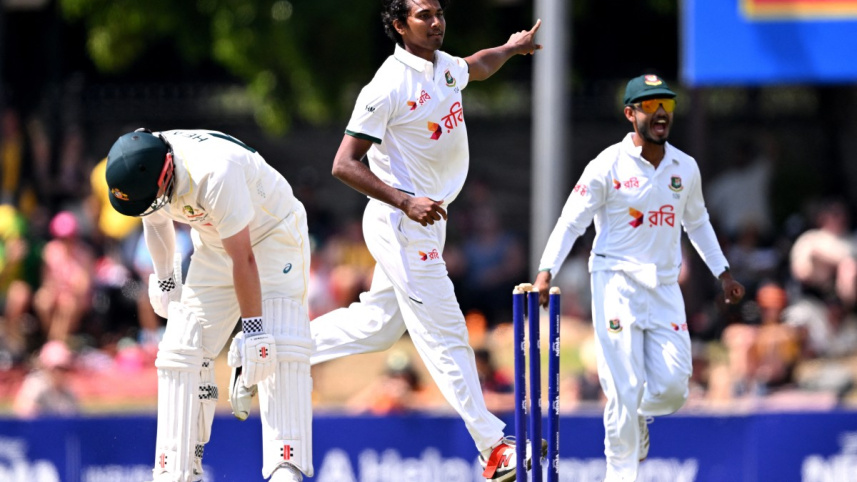
Bangladesh are on the verge of producing one of the biggest upsets in Test cricket's near 150-year history. That part is easy to understand.
The more difficult thing to process is Australia.

For three days and nine sessions at Marrara Stadium, the Tigers have been superb. Their fast bowlers dismantled Australia for 198 after losing the toss on the opening day, their batters answered with a marathon 426, and their discipline has been everything you would want from a team aware that opportunities like this do not arrive often.
But alongside Bangladesh's excellence has been a stranger story: Australia have spent much of this Test looking like a team that briefly misplaced the manual for being Australia.
This is not a second-string side searching for answers. This is a full-strength Australian team, featuring many of the players who have built the modern image of the baggy green: relentless, sharp, and usually allergic to giving opponents second chances.
Darwin, however, has offered a different version.
Dropped catches. A rare fielding no-ball. A batter repairing the crime scene after being dismissed. A world-class player admitting he thought he had edged one. It has been less the Australian machine and more an unusually expensive piece of machinery making noises nobody wants to hear.
Alyssa Healy described Steve Smith's dropped catch of Taskin Ahmed on Saturday as "un-Australian". It was a fair assessment, although it had become less a single incident and more a theme.
Five dropped catches in a Test innings is extraordinary for any side. For Australia, where fielding is often discussed with the seriousness normally reserved for batting averages and bowling records, it was almost a cultural emergency.
Then came the moment that seemed to summarise the mood perfectly: the "bodyline" no-ball.
With Bangladesh eight wickets down, Australia had arranged a short-ball attack against Mehidy Hasan Miraz and Taskin Ahmed. The strategy was clear. The field, unfortunately, appeared to be still loading.
Marnus Labuschagne was positioned behind square leg when he needed to be in front of square, meaning Australia had one too many fielders in the forbidden area. A no-ball followed.
It was not quite the sort of innovation one expects from a side famous for planning every possible route to victory. Australia had designed a trap for Bangladesh and then discovered they had accidentally stepped into it themselves.
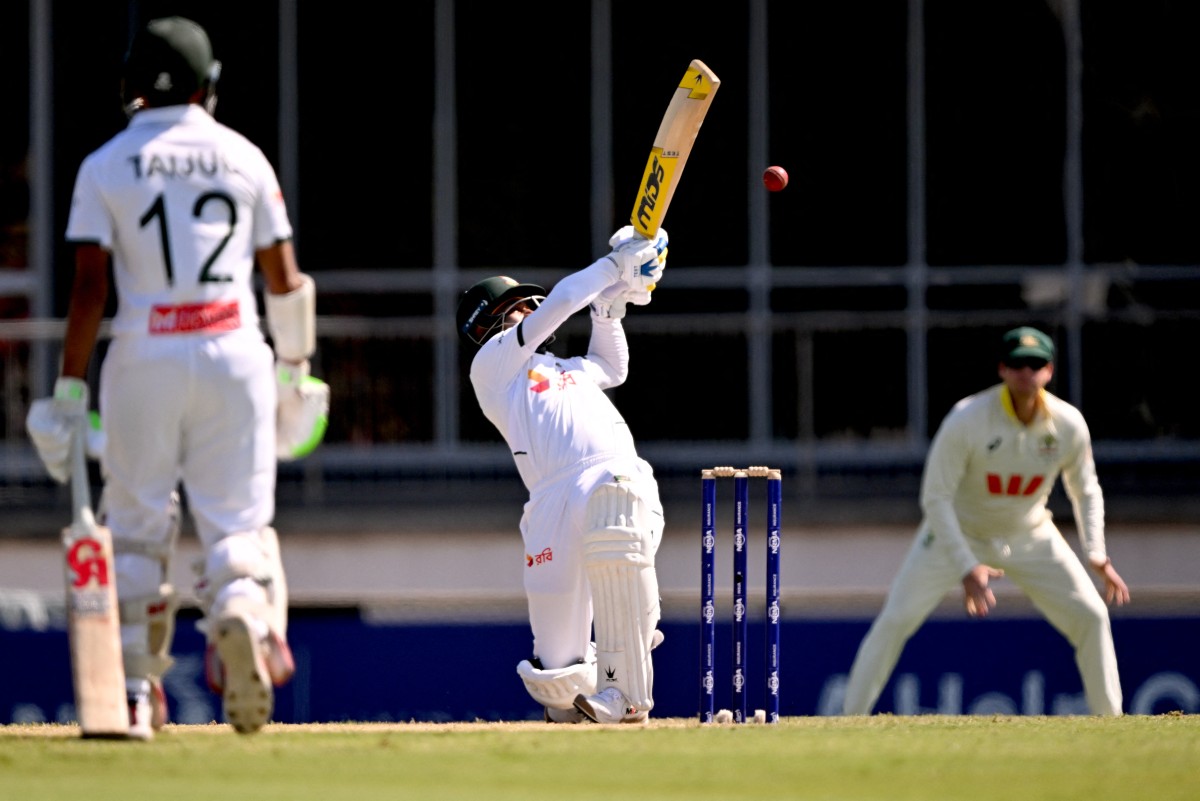
It’s worth recalling Steve Smith's curious survival. On the first day, Smith pushed at Ebadot Hossain, Bangladesh celebrated, and the umpire disagreed. Smith had already started moving away, only for the review to show no spike.
Later, he admitted he thought he had nicked it. "I was lucky? Yeah, it seems that way," Smith said.
The honesty was admirable. It also created a curious cricketing time capsule. Adam Gilchrist, who is on commentary during this Test, would have understood why it raised eyebrows. His famous decision to walk against Sri Lanka in the 2003 World Cup semifinal remains one of the defining images of the spirit of the game.
Gilchrist was also left searching for words when Travis Head, after being bowled by Hasan Mahmud, turned around and put the bails back on before walking off. "I've never seen anything like that," Gilchrist said.
In a way, it was a wonderfully Australian moment in the strangest possible way: a batter so disappointed by his dismissal that his first instinct was apparently to tidy up the evidence.
None of this takes anything away from Bangladesh. They have not transformed overnight into a dominant Test force, and they are not suddenly the finished product. But cricket has always allowed certain days to become larger than rankings and reputations.
 For all latest news, follow The Daily Star's Google News channel.
 Bangladesh have simply been the better team in Darwin so far. They have bowled better, batted better and handled pressure better.
Australia, meanwhile, have produced one of those rare performances where a team spends three days trying to remind everyone who they are while repeatedly providing evidence to the contrary.
The great Australian machine has not broken. Machines require maintenance, after all.
In Darwin, someone may just have forgotten to switch it on.
Comments