


‘Pakistan cricket is not finished’: PCB chairman Naqvi hits back at critics
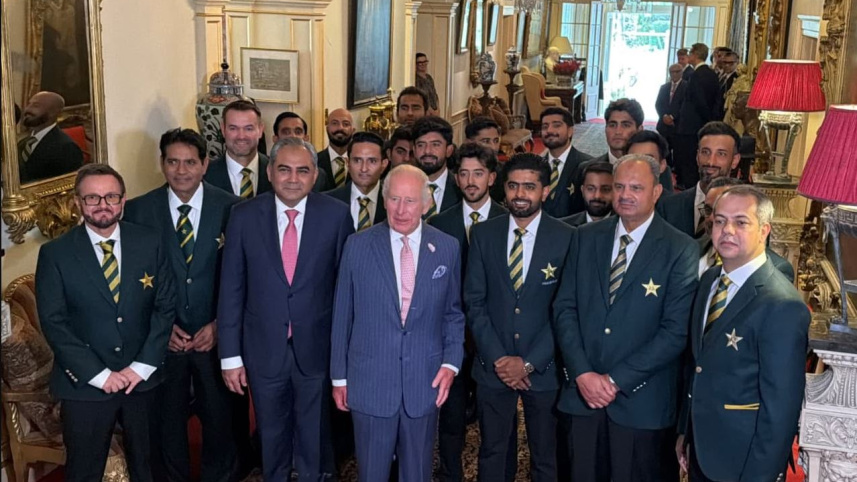
Pakistan Cricket Board (PCB) chairman Mohsin Naqvi hit back at critics, rejecting claims that Pakistan cricket is “finished” and pointing to recent improvements in the white-ball rankings as evidence that the game is still moving forward.
Speaking to reporters in London on Wednesday, Naqvi used unexpected defeats suffered by other major cricketing nations to challenge the argument that Pakistan’s recent setbacks represented the end of its cricketing fortunes.

“South Africa lost to Namibia, India lost to Ireland. At least check there, has cricket finished there?” Naqvi said.
His comments came amid intense criticism of the PCB following Pakistan’s disappointing Test tour of England. Pakistan suffered an innings and 103-run defeat in the opening Test before losing the second match at Lord’s by 194 runs, handing England an unassailable 2-0 lead in the three-match series.
The defeats prompted the PCB to make sweeping changes midway through the tour. Seven players were released from the Test squad, while changes were also made to the coaching staff. The decisions triggered a strong reaction from fans, former players and cricket pundits, with concerns raised about instability and its possible impact on the players.
While admitting that Pakistan’s Test cricket required significant improvement, Naqvi argued that the criticism had overlooked progress in the white-ball formats. He pointed out that Pakistan had risen from eighth to fifth in the ODI rankings and from ninth to sixth in the T20I rankings.
Naqvi, however, defended the board’s actions and insisted that changes were sometimes necessary when players were not performing.
“The purpose is not to kick someone out, but to change them in case they are not clicking,” he said.
He cited Salman Ali Agha as an example, describing him as a brilliant player who had struggled to find form. According to Naqvi, the objective was not to permanently remove players but to make changes when performances demanded them.
While admitting that Pakistan’s Test cricket required significant improvement, Naqvi argued that the criticism had overlooked progress in the white-ball formats. He pointed out that Pakistan had risen from eighth to fifth in the ODI rankings and from ninth to sixth in the T20I rankings.
“You used to be ranked eighth in ODIs, which has now gone up to fifth,” Naqvi said, adding that Pakistan had won four of its last six ODI series.
He also highlighted an increase in Pakistan’s ODI success rate, saying it had risen from 24 per cent to 73 per cent.
“Our cricket is finished,” Naqvi said sarcastically, referring to the criticism despite those figures.
At the same time, the PCB chairman acknowledged that mistakes had been made. He accepted responsibility for selection decisions and said the board needed to continue working to improve the team.
“Sometimes there are mistakes made in selection as well. I am answerable for that, and we need to work on it,” he said.
Naqvi also pushed back against accusations that he was damaging Pakistan cricket, suggesting that some of the criticism was motivated by personal resentment toward him.
“If someone has resentment towards me, by all means criticise me personally. But don’t target cricket,” he said.
He stressed that transforming a team from a lower ranking to the number one position could not happen within three or six months, insisting there was still “a long way to go”.
 For all latest news, follow The Daily Star's Google News channel.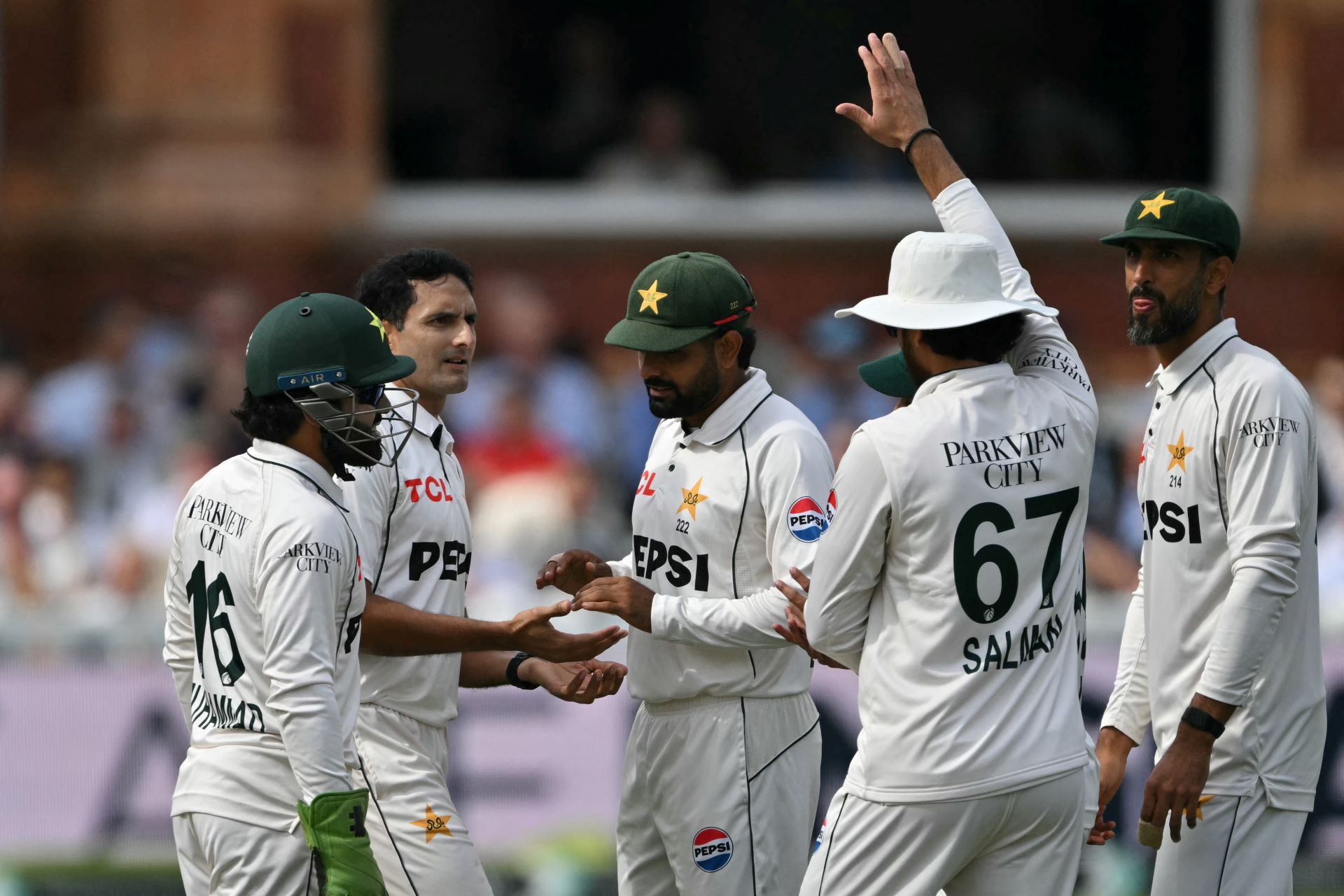
The PCB has also sought explanations from members of its selection committee over decisions surrounding the Test squad, while former captain Misbah-ul-Haq has reportedly decided to resign from the selection committee.
Despite the turmoil, Naqvi urged critics to avoid demotivating the players.
“These are facts you can check and verify yourselves,” he said. “But the way you are demotivating the boys, please stop doing that.”
With the final Test against England scheduled for September 9 at Edgbaston, Pakistan now faces a difficult task: responding to criticism not with words, but with performances on the field.
Comments