


Connecting Bangladesh golf with the world
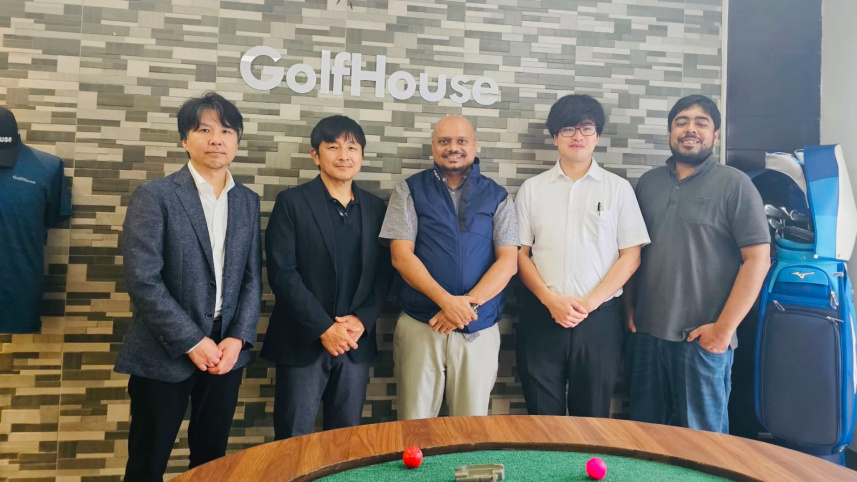
From his early days in journalism to building GolfHouse into a platform for Bangladesh’s growing golf community, A M M Nazrul Hosen has spent more than a decade trying to connect the sport with a wider audience. In this conversation with The Daily Star, the GolfHouse founder reflects on his journey, the changing golf landscape in Bangladesh, the importance of junior development, the potential of golf tourism and international partnerships, and his ambition to take Bangladeshi golf to the world.
The Daily Star (DS): Your career began in journalism. How did that journey eventually lead to GolfHouse?

Nazrul Hosen (NH): Journalism was a passion from an early age. I wrote for wall newspapers at school, started professionally with Weekly Shikha Bichitra, later worked with Weekly Banglar Khobor while studying, and eventually with national newspapers including Daily Janakantha and Daily Amar Desh. That background taught me the value of storytelling and communication.
The turning point came after I established my PR firm in 2013. One morning, at around 6:00am, Arshad Jamal Dipu, Chairman of Tushuka Group, called me about Siddikur Rahman and the need for stronger media support around his international career. I subsequently met Siddikur and started supporting his PR and tour-related media communications, with Novoair also supporting him during that period.
Working around professional golf opened my eyes to a gap. Bangladesh had golfers, clubs, tournaments and corporate involvement, but no dedicated media platform consistently telling their stories.
That led me to establish TheGolfHouse in 2015.
Many people actually advised me against launching a print magazine because digital media was rising rapidly. But I believed golf needed its own credible voice.
GolfHouse therefore started as a magazine, but the vision was always bigger than publishing: to help build and connect the golf community.
DS: More than a decade later, what impact do you think GolfHouse has made?
NH: Perhaps the most rewarding impact has been bringing people closer to golf who once thought the game was not for them.
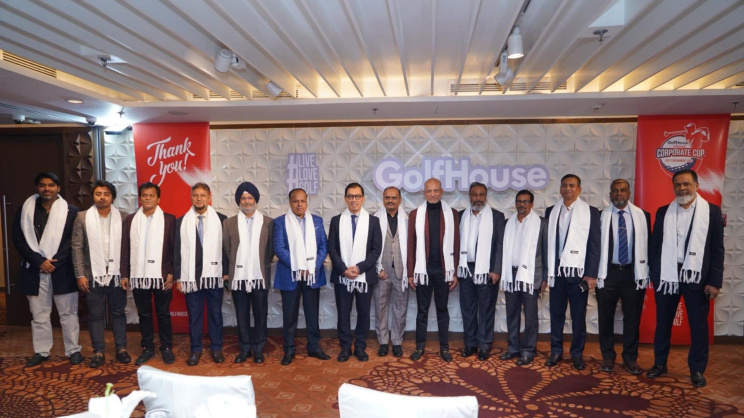
Through our magazine, tournaments, personal invitations and engagement programmes, we have connected golfers with corporate leaders, business professionals, ambassadors and members of the diplomatic community. Many people have experienced golf through these interactions and subsequently developed an interest in the game.
We are also seeing encouraging signs around us. New courses are emerging, investors are considering golf-related ventures, and more parents are interested in introducing their children to the sport.
For me, success is therefore not measured simply by how many magazines we publish or tournaments we organise.
If someone comes to a golf course for the first time because of GolfHouse and eventually becomes part of the game, that is impact.
Media should not merely report sport; it can help create a culture around it.
DS: You are involved with the Bangladesh Golf Federation's media activities. What role can communication play in taking the sport forward?
NH: A very significant one. You can have talented players, good tournaments and strong institutions, but if their stories are not communicated effectively, much of that achievement remains invisible.
Bangladesh has professional golfers, promising amateurs and juniors, established clubs and an increasingly active tournament calendar. We need to tell those stories consistently and to international media standards.
 For all latest news, follow The Daily Star's Google News channel.
 I have seen a strong commitment from the President of the Bangladesh Golf Federation and the BGF committee to work across different levels of the game—from juniors and amateurs to professional golf, tournaments, infrastructure and participation.
Our responsibility from the media side is to complement that work by engaging mainstream newspapers, television, digital platforms and journalists.
The more visible and understandable golf becomes, the more accessible the game becomes.
DS: What is your long-term vision for GolfHouse?
NH: I want to build GolfHouse into a global golf brand that creates value beyond Bangladesh.
That means connecting our golfers with international markets while bringing global knowledge, equipment, tournaments, junior-development concepts and partnerships here.
Golf tourism and international golf tours are an important part of that strategy. We want Bangladeshi golfers and corporate leaders to experience leading golf destinations and build international relationships. In the longer term, I also want international golfers to have reasons to come and play in Bangladesh.
We are representing Mizuno Golf in Bangladesh, which is another step towards giving local golfers access to authentic global-standard equipment and service.
Junior development is equally important, and we are interested in exploring opportunities with internationally established platforms such as U.S. Kids Golf.
The ambition is straightforward: bringing the world of golf closer to Bangladesh and taking Bangladesh golf closer to the world.
DS: Why put so much emphasis on junior golf?
NH: Because without juniors on the green today, there is no sustainable future for golf tomorrow.
There is also a social dimension. Children are growing up surrounded by smartphones, gaming and screens. Golf gets them outdoors and can help develop concentration, patience, discipline and decision-making.
My bigger dream is to see golf introduced more widely through schools and structured extracurricular activities. We do not need an 18-hole course at every school. Children can start through putting, mini golf, simulators and introductory programmes. Those who develop an interest can then progress to academies, clubs and competitive golf.
We are also exploring opportunities around internationally established junior programmes, including U.S. Kids Golf, subject to formal discussions and agreements.
Instead of waiting for children to find golf, we should find ways to take golf to the children.
DS: Why does the United States feature prominently in your international outlook?
NH: The United States has one of the world's most developed golf industries.
Golf there connects junior development, schools and universities, professional tours, coaching, equipment technology, media, tourism, corporate sponsorship and sports business. Organisations such as the PGA of America and the country's extensive network of courses and programmes demonstrate what can happen when the different parts of the industry develop together.
For GolfHouse, the US represents an important market for learning, professional networking and potential collaboration—particularly in junior golf, golf tourism, tournament management, technology, equipment and media.
But I do not believe Bangladesh should simply copy the American model.
We should learn globally and apply locally. The objective is to identify international practices that make sense for Bangladesh.
DS: You witnessed the 2025 Ryder Cup in New York. What stayed with you from that experience?
NH: The scale of the ecosystem around the tournament.
The Ryder Cup showed me that a great golf event is about much more than what happens between the ropes. It brings together players, spectators, media, sponsors, hospitality, tourism, volunteers and the wider community.
The passion of American and European golf fans was remarkable. They turn a golf tournament into an experience and a destination.
That is an important lesson for Bangladesh. A major tournament can simultaneously be a sporting competition, a tourism product, a corporate platform and an international showcase.
We cannot build that overnight. The mature golf markets took generations to develop.
But if we think beyond the scorecard, our tournaments can create much greater economic and social value.
DS: Do you see golf creating stronger international connections for Bangladesh?
NH: Absolutely. Not only with the United States, but also Canada, the UK, Europe and major Asian golf markets.
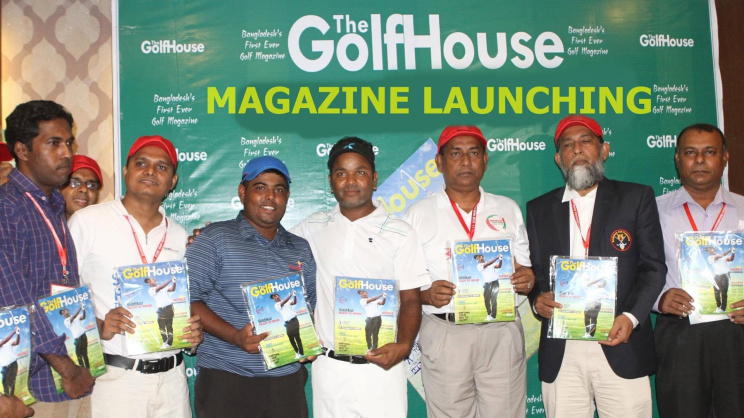
Golf can create relationships in ways conventional business communication sometimes cannot. I see opportunities in junior development, coaching, scholarships, education, golf tourism, media, equipment, tournament management and knowledge exchange.
I would particularly like to see exchange programmes through which Bangladeshi juniors, coaches and golf professionals gain international exposure while golfers and organisations from abroad also experience Bangladesh.
Golf can become a platform for people-to-people connections, tourism, education and business relationships.
I would like GolfHouse to help facilitate those connections.
DS: Tournaments have become an important part of GolfHouse. What is the thinking behind them?
NH: We do not see a tournament simply as 18 holes of competition.
A good tournament brings together golfers, clubs, corporate leaders, sponsors, brands, media and guests. That creates relationships and opportunities extending beyond the course.
Our events are therefore designed both for existing golfers and for people experiencing the golf environment for the first time.
I believe every successful tournament should leave something behind—a new golfer, a new business relationship, greater corporate participation, stronger visibility or an international connection.
For us, a tournament is not the end product; it is a platform for growing the game.
DS: You are an entrepreneur, publisher, brand practitioner and a passionate golfer. What has the game taught you about leadership?
NH: Golf teaches continuous improvement. Every round, you are trying to do a little better than the last.
It also keeps you humble. You can have the perfect lie, prepare properly and still miss a two-foot putt. It reminds you that preparation matters, but outcomes are never completely under your control.
The important thing is what happens next: assess where you are, adjust and focus on the next shot.
I find that remarkably relevant to entrepreneurship and leadership. Plans fail. Unexpected things happen. What matters is how you respond, learn and move forward.
Golf also gives me something increasingly valuable—time to slow down. Early mornings, walking, conversations and moments of reflection help restore perspective.
Golf has taught me resilience when things go wrong, patience when progress is slow, and optimism that the next shot can still be your best one.
DS: In 2015, GolfHouse had an ambitious message about making golf Bangladesh's second most followed sport. A decade later, where do we stand and where would you like to see the game over the next decade?
NH: We were ambitious. In 2015, we expressed the hope that golf could become Bangladesh's second most popular sport by 2025. We have not reached that point, but I have not abandoned the ambition.
Over the next decade, I want to see many more golfers and juniors, stronger professional players, more courses, greater private-sector participation and more international-standard tournaments.
Golf tourism is another major opportunity. International golfers travelling to Bangladesh for courses, tournaments and golf experiences can contribute to tourism and foreign-currency earnings. At the same time, our golfers competing internationally can strengthen Bangladesh's visibility.
Most importantly, golf needs to become more approachable. People should not see a golf course and automatically think, “This game is not for me.”
My dream is that the next generation sees golf not as an exclusive world, but as a sport in which they too can belong, compete and perhaps one day carry the Bangladesh flag internationally.
DS: So what is the next chapter for GolfHouse?
NH: The next chapter is global.
We want to develop GolfHouse from a Bangladesh-based golf platform into an international golf lifestyle brand, while remaining firmly rooted here.
We have launched Corporate Tour to connect corporate golfers through international golf and travel experiences. We are also preparing Club GolfHouse, which we envision as a golf lifestyle and rewards platform connecting golfers with privileges, experiences and opportunities across markets.
Alongside those initiatives, we will continue developing our media, tournaments, golf tours, authentic equipment business, junior programmes and international partnerships.
I am grateful to the Bangladesh Golf Federation, Kurmitola Golf Club, their present and past leadership, our advisers and mentors, and especially our golfers, readers, partners, clients and customers who have supported this journey.
Going global does not mean leaving Bangladesh behind. It means taking Bangladesh with us.
My ambition is that when the international golf industry looks towards Bangladesh, we have a credible voice at the table—and something meaningful to contribute.
Comments