


Electric evolution of Atlas Lions

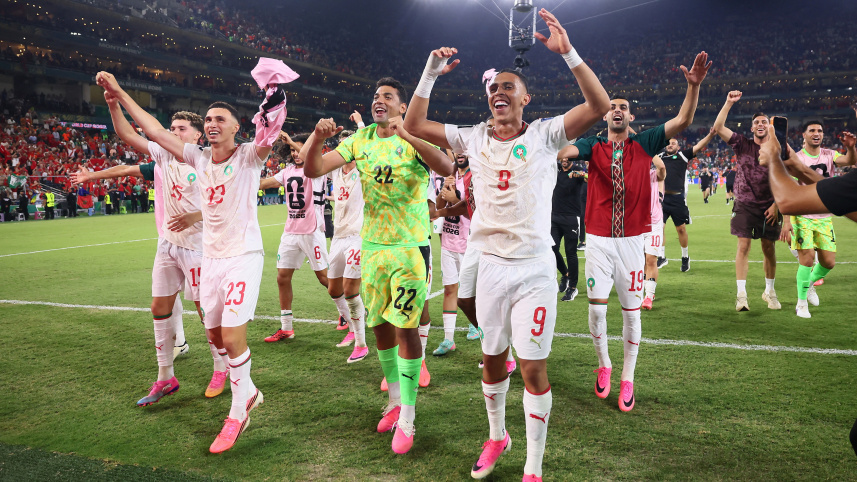
They are no longer uninvited guests at the high table of world football.
Four years ago in Qatar, when Morocco became the first African nation to reach the World Cup semi-finals, many dismissed it as a fluke. But knocking the Netherlands out yesterday at the majestic Monterrey Stadium in Mexico was not about proving themselves all over again.

Instead, crushing Dutch arrogance to step into the Round of 16 of the 2026 World Cup was a splendid exhibition of their prowess.
Morocco’s campaign in this joint tournament across the United States, Canada and Mexico began in majestic fashion. Holding record five-time champions Brazil to a draw was a perfect advertisement of their dominance. After effortlessly brushing aside Scotland and Haiti, they faced the Netherlands in the Round of 32.
The Dutch were flying high after netting 10 goals in the group stage, yet that pride was blown away by the tactical masterclass of Morocco coach Mohamed Ouahbi.
Ouahbi deployed an impenetrable 4-2-3-1 formation, completely suffocating the Oranje midfield. Weaving an invisible web of 800 precise passes, the African powerhouses took absolute control.
Winning an incredible 74 per cent of their tackles, Morocco left the Dutch defence appearing utterly shambolic.
Yet, the drama held a final twist. In the 72nd minute, Morocco suddenly fell behind to a brilliant goal from Cody Gakpo. As Gakpo shared a sombre celebration with Ronald Koeman, the tournament prediction of German economist Joachim Klement -- who had famously tipped the Dutch to lift the trophy -- started gaining traction.
However, these Moroccan big boys do not throw in the towel easily. In the first minute of added time, a pinpoint cross from substitute Chemsdine Talbi completely bypassed Virgil van Dijk, allowing an ambush-ready Issa Diop to rattle the Dutch net with a bullet header.
Level at the whistle, the match headed into extra time, where Morocco looked even more menacing. Far from settling for penalties, the Atlas Lions relentlessly tried to win it outright, launching wave after wave of attack that left the Dutch hanging on by a thread.
When the game ultimately pushed into a nerve-shredding penalty shootout, Yassine Bounou morphed into a superhuman figure. With the score deadlocked at 2-2 after four penalties each, Bounou stood like an unyielding fortress against a powerful spot-kick from Crysencio Summerville.
Refusing to dive early, he shifted to his right at the very last fraction of a second to tip the ball away. Moments later, Ismael Saibari buried his penalty to seal Morocco’s reign.
When looking at this unforgettable victory, one is fascinated by Morocco's process of transformation. The foundation laid four years ago by Achraf Hakimi, Romain Saiss and Hakim Ziyech has evolved.
The void left by aging veterans has been filled by a fresh crop of frighteningly talented stars like Real Madrid’s Brahim Diaz and PSV Eindhoven’s Ismael Saibari.
A staggering 19 players out of their 26-man squad are regulars at top European clubs.
The greatest credit for weaving this star-studded blend into a cohesive unit goes to coach Ouahbi. When Walid Regragui abruptly stepped down just three months before the tournament, many feared the dreams of Morocco's golden generation would be nipped in the bud. However, Ouahbi -- who guided Morocco to the Under-20 World Cup title last year -- conquered that immense pressure.
He seamlessly integrated youth prospects like Ayyoub Bouaddi into his senior setup, and his philosophy of sustained possession and relentless pressure reflects a mature footballing brain, creating a powerful blueprint for the future of the Moroccan game.
By sending the Netherlands packing, Morocco have notified the world that their dominance on the football map is no temporary flash in the pan; they are now true big boys of world football.
 For all latest news, follow The Daily Star's Google News channel.
Comments