


When football beat fury

Two of the most contrasting scenes of the FIFA World Cup unfolded within the space of just 24 hours.
Following Saturday's third-place playoff between France and England, seven players from the two teams gathered in a huddle and offered a prayer. We are used to seeing players of the same team huddle together after either victories or defeats, but to witness players from opposing sides sharing such a moment of camaraderie after England's thrilling 6-4 victory over France was a reminder of football's unique ability to unite.

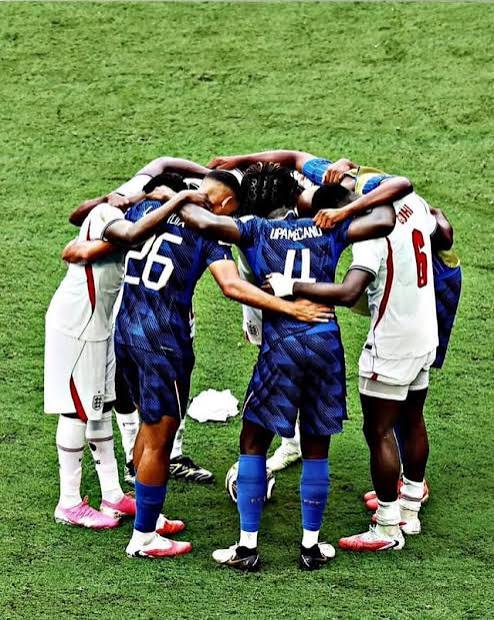
Of course, the stakes were much lower. Both teams had arrived hoping to contest the final before having to settle for a largely irrelevant third-place playoff. However, considering the way the two sides had conducted themselves throughout the tournament, particularly in terms of discipline, the scene did not feel out of place.
Then came the final.
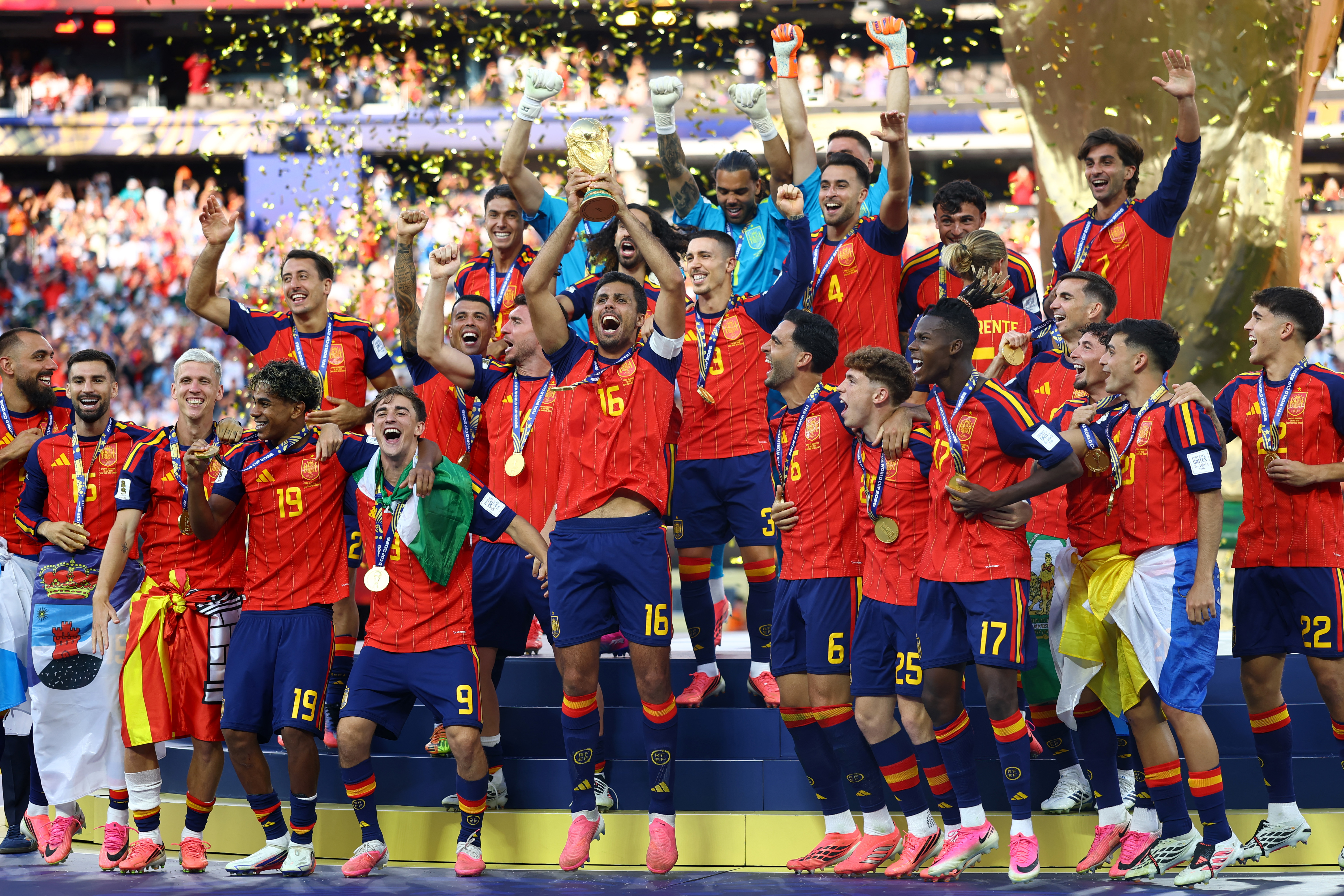
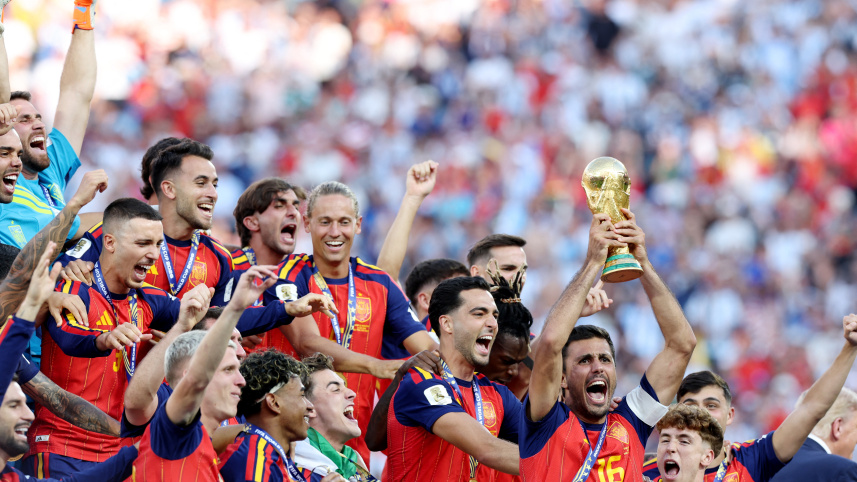
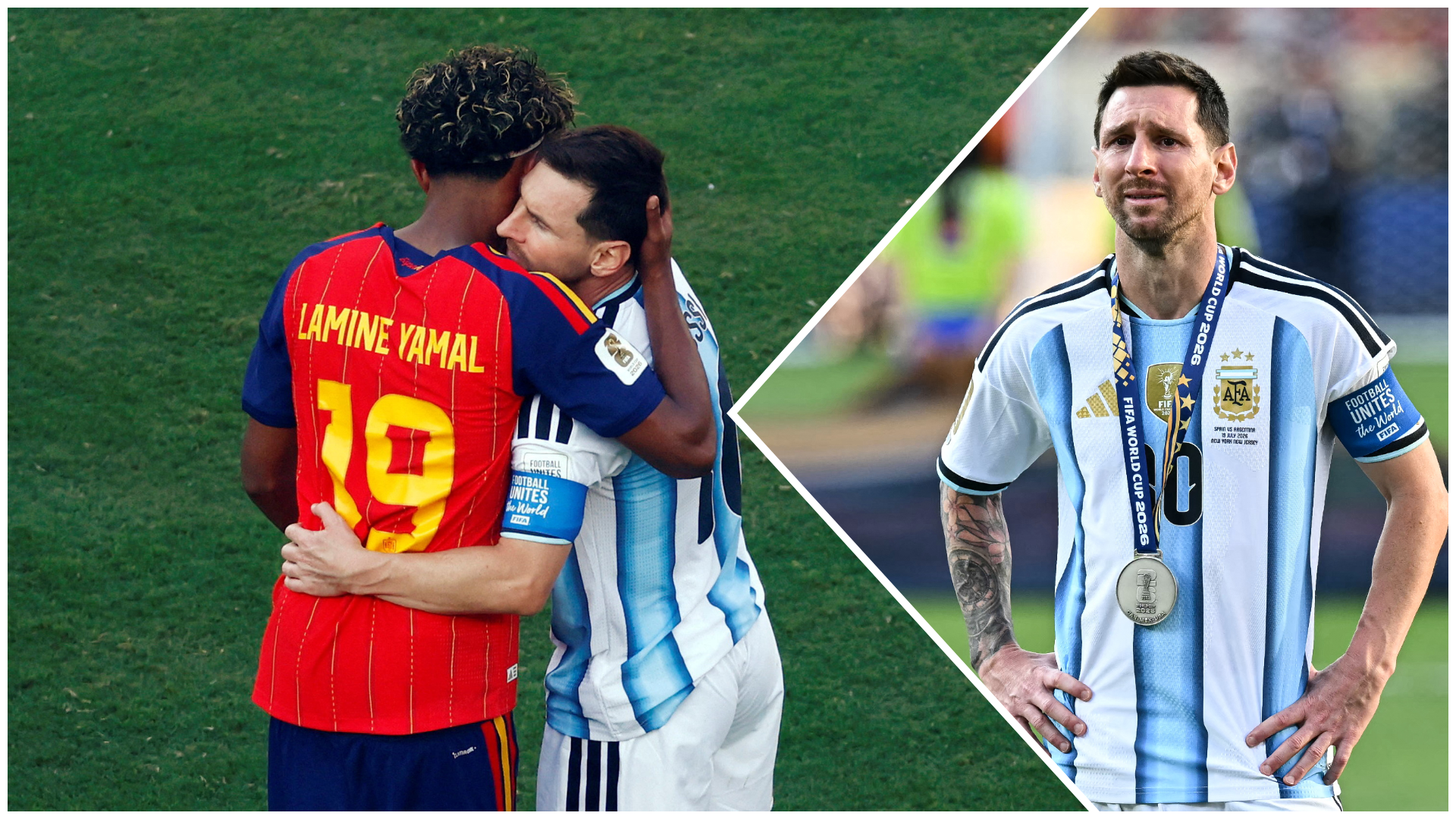
Played before a capacity crowd at the New York New Jersey Stadium and watched by millions around the world, Spain against Argentina promised to provide a fitting climax to an extraordinary tournament. Instead, while the football itself remained competitive, the contest became increasingly ill-tempered, particularly during its closing stages and after the final whistle. Argentina's frustrations boiled over as several players and members of the coaching staff confronted Spain's players, with a number of physical altercations taking place. The disappointing scenes continued during the medal ceremony, when many of the Argentina squad chose not to remain on the pitch to acknowledge Spain as the new champions collected their medals and lifted the trophy.
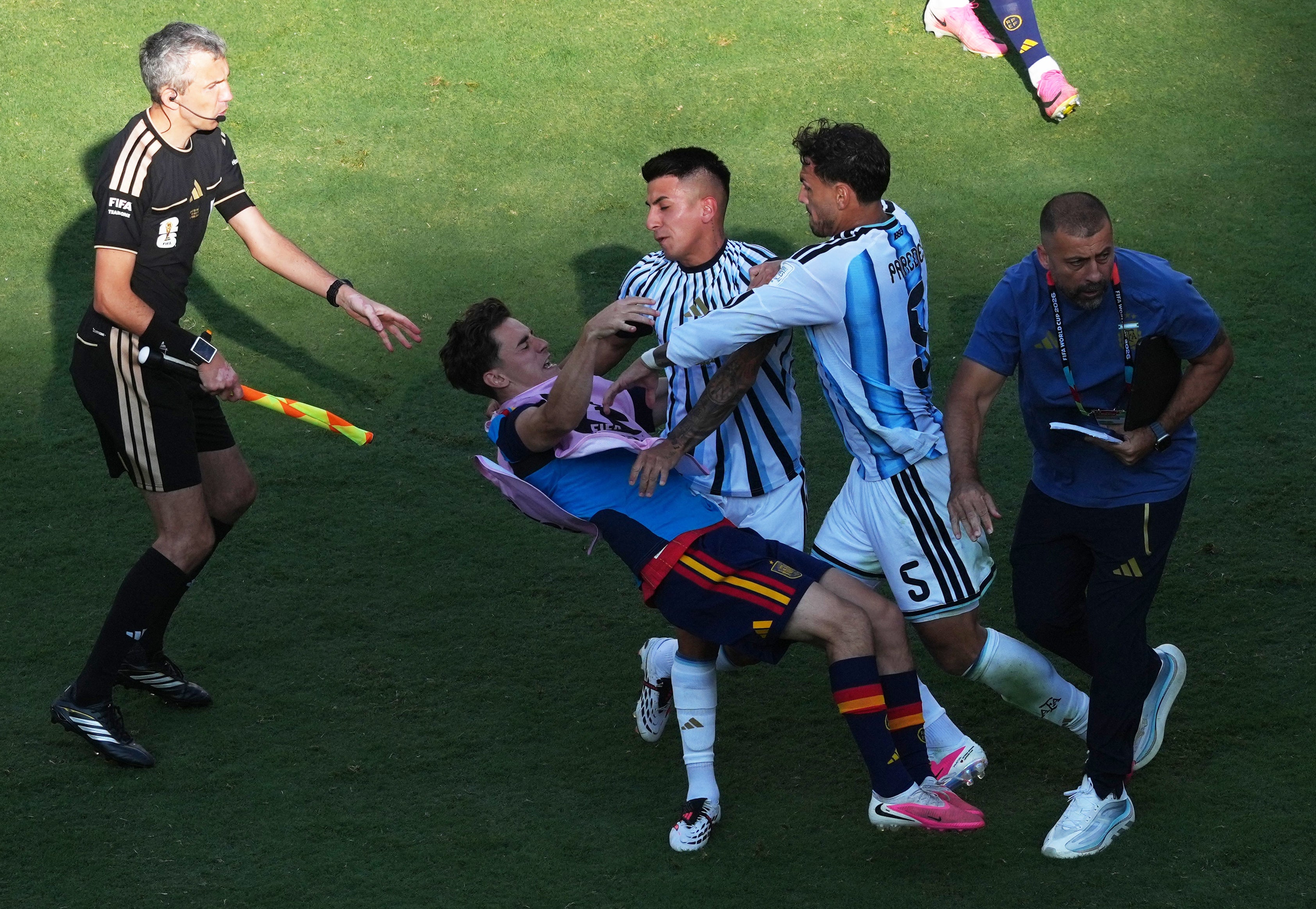
The contrast between the two occasions was striking.
Among the 48 teams at this expanded World Cup, Argentina finished with the tournament's poorest disciplinary record, committing 113 fouls while collecting one red card and 13 yellow cards. By comparison, England -- who also played eight matches -- received one red card and eight yellow cards, while the two other last-four teams, Spain and France completed the tournament with just six bookings each and no dismissals.
Nor was it an isolated trend. Argentina also topped the yellow-card standings at the 2022 World Cup with 17 bookings, whereas the other three semifinalists that year -- Morocco, France and Croatia -- collected eight, eight and six yellow cards respectively.
The final itself reflected that broader pattern. Argentina finished with six yellow cards and a red card, while Spain completed the match without receiving a single booking.
Yet the statistics that perhaps mattered most were those that reflected the football itself.
Argentina failed to register a shot on target, compared to Spain's 12. They managed just 32.5 per cent possession against Spain's 60.2 per cent, completed less than half as many passes, and produced an expected-goals figure of only 0.07 compared with Spain's 2.52.
Two other statistics also stand out. Argentina now hold the record for the most red cards in World Cup finals, with three dismissals, ahead of France with two and the Netherlands with one. Equally striking, they have failed to register a shot on target in three of their last four World Cup finals -- in 1990, 2014 and now 2026.
Statistics alone never tell the whole story, but together they raise legitimate questions about the balance between competitiveness, emotion and composure on football's biggest stage.
 For all latest news, follow The Daily Star's Google News channel.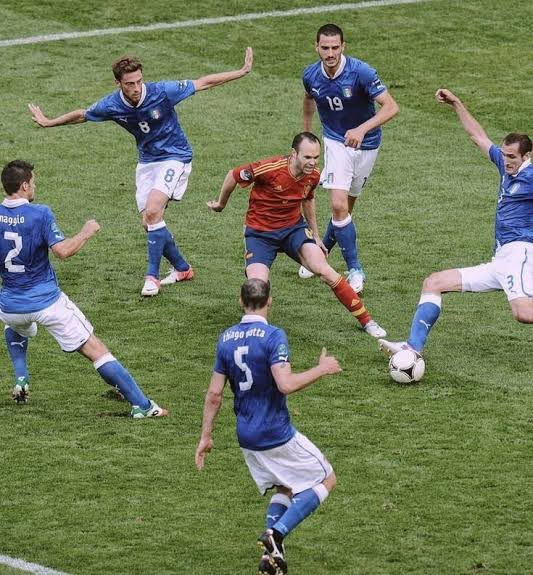
Spain, the eventual champions, were not entirely blameless either. They too embraced the physical side of the game when required. Yet there remained an important distinction. When La Roja won their first World Cup in 2010, they also claimed the FIFA Fair Play Award. That Spain side, built on Barcelona's possession-based philosophy, conquered world football not only with the quality of their play but also with the manner in which they played it. Teams that dominate the ball rarely need to rely on gamesmanship and are often best equipped to overcome it.
Luis de la Fuente's young Spain have evolved from that blueprint. Retaining the technical foundations laid by Luis Aragones and refined by Vicente del Bosque, they have adopted a more direct, vertical and pragmatic style, pressing higher and attacking with greater purpose. Against Argentina, Spain matched the physical battle without abandoning their footballing identity. Ultimately, the side that remained committed to playing football came out on top, much as Spain did in 2010 when Andres Iniesta's extra-time winner defeated a fiercely competitive, but overly confrontational and provocative, Netherlands side.
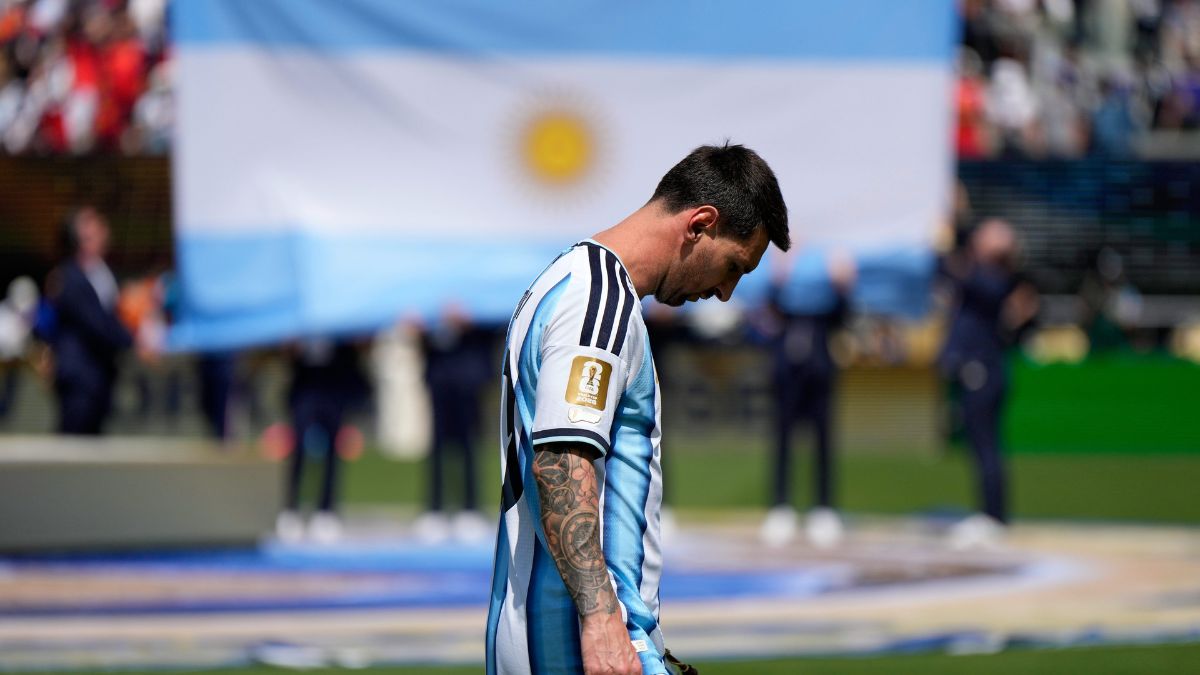
That is perhaps the enduring lesson of this World Cup and the ones preceding this one. Success is remembered not only for the trophies won but also for the manner in which they are pursued. Argentina's achievements under Lionel Scaloni should not be diminished. They have reached successive World Cup finals and remained among the elite of international football throughout this cycle.
Yet there is an unavoidable irony in the closing images of this tournament. At the heart of this Argentina side remains Lionel Messi -- one of the greatest footballers the game has ever produced and one of the finest exponents of the beautiful football nurtured at Barcelona's La Masia, from which majority of both the all-conquering Spain sides emerged. For a player whose genius has always embodied the game's artistry, the manner in which his team's campaign navigated through the tournament before ending with a whimper, offered a striking contrast to the ideals that have defined his extraordinary career.
Comments