


Ancient Life in 3D
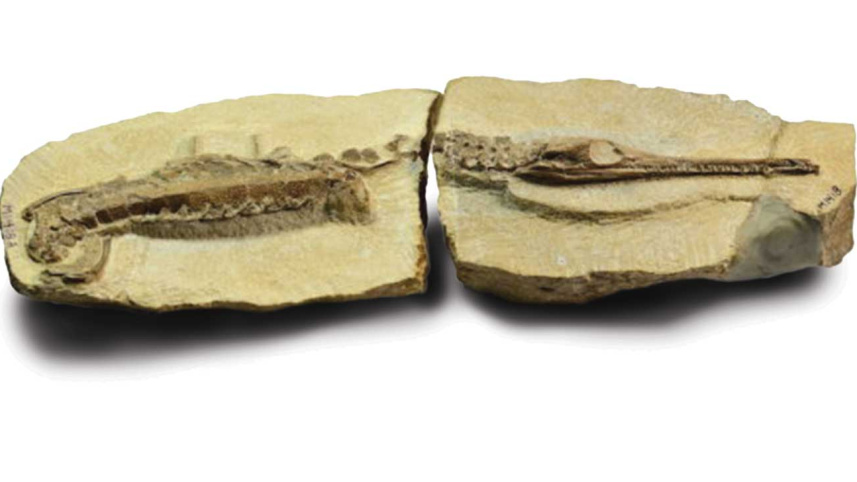
Hidden secrets about life in Somerset 190 million years ago have been revealed by researchers at the University of Bristol and the Bath Royal Literary and Scientific Institution (BRLSI) in a new study of some remarkable fossils. Thanks to exceptional conditions of preservation, a whole marine ecosystem has been uncovered – and yet it was already known 150 years ago.
The fossils come from Strawberry Bank in Ilminster, Somerset, but the site has now been lost, having been built over. They were discovered by noted Bath-based geologist Charles Moore (1815-1881), who first spotted them when he saw some school boys kicking a rounded boulder about. He cracked it open, and to his amazement, a perfect three-dimensionally preserved fish lay inside. After this first find, Moore collected hundreds more nodules, and the entire collection has lain, almost forgotten, in the museum of the BRLSI in Queen's Square, Bath ever since.

Matt Williams, curator of the collection, said: "It was obvious that these fossils where very special from the first time I saw them on joining the BRLSI. Our stores are full of treasures, but these specimens are truly unique. We secured some funding to clean up the specimens, and curate them, and we even uncovered some unexpected treasures."
Genetic Link
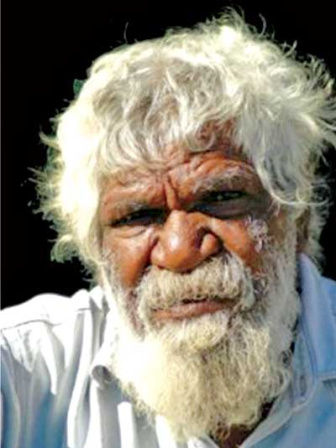
Native Americans living in the Amazon bear an unexpected genetic connection to indigenous people in Australasia, suggesting a previously unknown wave of migration to the Americas thousands of years ago, a new study has found.
"It's incredibly surprising," said David Reich, Harvard Medical School professor of genetics and senior author of the study. "There's a strong working model in archaeology and genetics, of which I have been a proponent, that most Native Americans today extend from a single pulse of expansion south of the ice sheets--and that's wrong. We missed something very important in the original data."
Previous research had shown that Native Americans from the Arctic to the southern tip of South America can trace their ancestry to a single "founding population" called the First Americans, who came across the Bering land bridge about 15,000 years ago. In 2012, Reich and colleagues enriched this history by showing that certain indigenous groups in northern Canada inherited DNA from at least two subsequent waves of migration.
Source: Sciencedaily.com
 For all latest news, follow The Daily Star's Google News channel.
Comments