


GEOGRAPHIC TONGUE
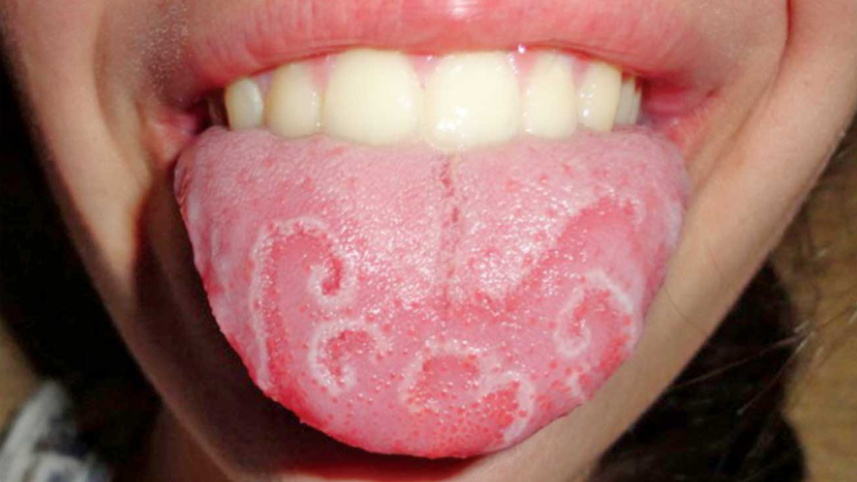
Geographic tongue (GT) is a medical condition in which the upper layer of the tongue, which consists of tiny hair-like protrusions (called papillae), is damaged due to an expanding inflammation. As a result, red patches devoid of papillae can be observed on the surface of the tongue. A noticeable characteristic of the condition is an evolving map-like appearance of the affected tongue (hence its name).
Taking a dynamical systems approach to GT enabled us to classify the severity of the condition, based on the patterns observed on the tongue of a GT patient. Typically GT-affected tongues fall into two main categories. The first corresponds to oblate patterns that expands and merges with other growing oblate regions. In this case, the tongue is gradually affected but then subsequently heals. Another more "exotic" form of the condition involves patterns consisting of open-ended tips, most notably spirals, which can evolve into the recovering regions of the tongue.
GT is a mysterious condition but we hope that this novel approach will help physicians to assess patients with GT condition and trigger further clinical investigations, particularly into how and why GT patterns form and move around. We might then learn more about the underlying mechanism responsible for this disease.
SOURCE: IFLSCIENCE.COM

When Righteous Eating Becomes an Obsession
Orthorexia nervosa, the "health food eating disorder", gets its name from the Greek word ortho, meaning straight, proper or correct. This exaggerated focus on food can be seen today in some people who follow lifestyle movements such as "raw", "clean" and "paleo".
American doctor Steven Bratman coined the term "orthorexia nervosa" in 1997, when he developed an unhealthy obsession with eating "proper" food, "all I could think about was food. But even when I became aware that my scrabbling in the dirt after raw vegetables and wild plants had become an obsession, I found it terribly difficult to free myself. I had been seduced by righteous eating."
There is a blurry line separating "normal" healthy eating and orthorexia nervosa, but one way to define the condition is when eating "healthily" causes significant distress or negative consequences in a person's life. Such behaviours can have a significant impact on relationships with family members and friends, let alone on their mental health.
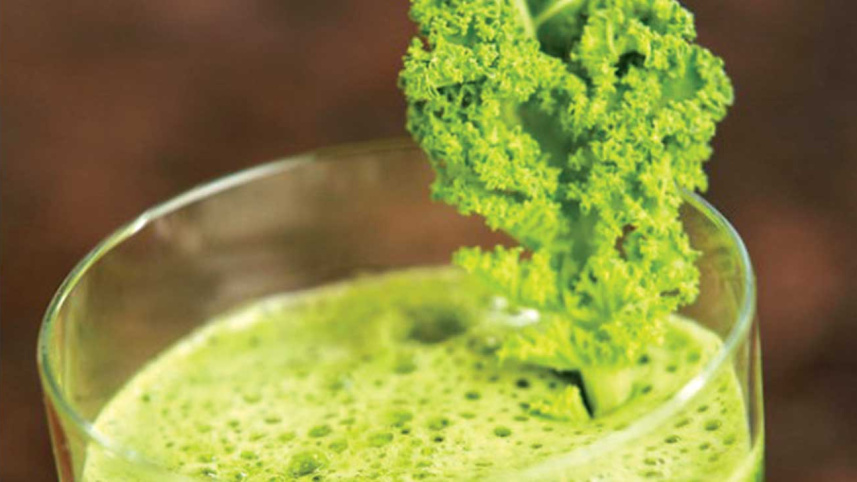
Don't make food the most important focus of your life. As Bratman says, "rather than eat my sprouts (or kale) alone, it would be better for me to share a pizza with some friends." Try to be a balanced food consumer with a "mostly and sometimes" mantra.
SOURCE: IFLSCIENCE
 For all latest news, follow The Daily Star's Google News channel.
Comments