


Quirky Science
Anthropocene to first farmers

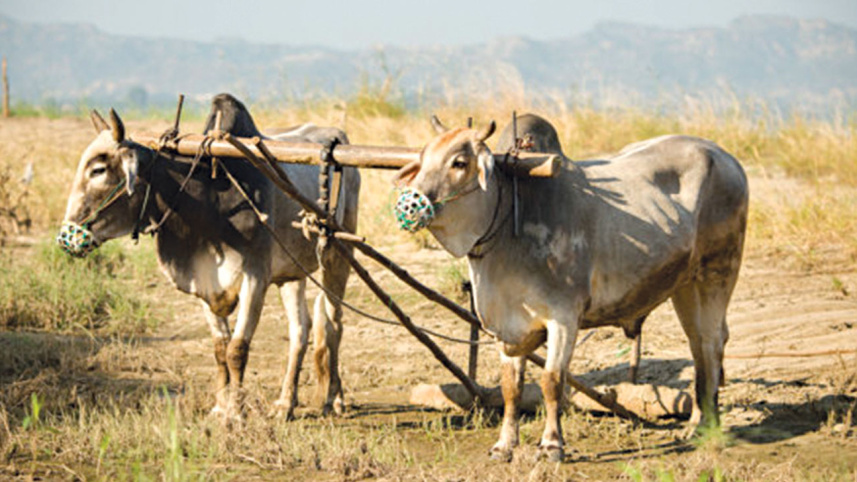
A new analysis of the fossil record shows that a deep pattern in nature remained the same for 300 million years. Then, 6,000 years ago, the pattern was disrupted – at about the same time that agriculture spread across North America.
"When early humans started farming and became dominant in the terrestrial landscape, we see this dramatic restructuring of plant and animal communities," said University of Vermont biologist Nicholas Gotelli, an expert on statistics and the senior author on the new study.
In the hunt for the beginning of the much-debated "Anthropocene" – a supposed new geologic era defined by human influence of the planet – the new research suggests a need to look back farther in time than the arrival of human-caused climate change, atomic weapons, urbanisation or the industrial revolution.
"This tells us that humans have been having a massive effect on the environment for a very long time," said S Kathleen Lyons, a paleobiologist at the Smithsonian's National Museum of Natural History who led the new research.
The study was published Dec. 16 in the journal Nature.
Plants crawling into Land
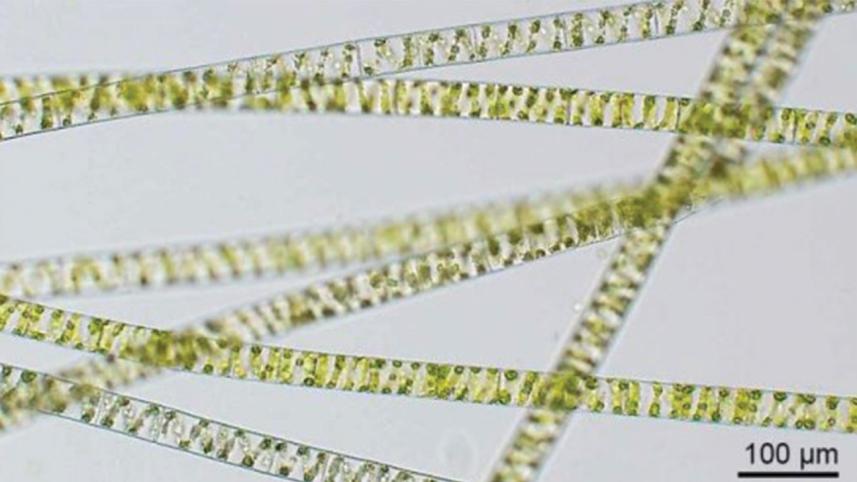
Plant biologists agree that it all began with green algae. At some point in our planet's history, the common ancestor of trees, ferns, and flowers developed an alternating life cycle--presumably allowing their offspring to float inland and conquer Earth. But on December 16 in Trends in Plant Science, Danish scientists argue that some green algae had been hanging out on land hundreds of millions of years before this adaptation and that land plants actually evolved from terrestrial, not aquatic, algae.
Botanists have suspected this possibility since 1980, but supporters have lacked proof. Now, Carlsberg Laboratory's Jesper Harholt and University of Copenhagen's Øjvind Moestrup and Peter Ulvskov present genetic and morphological evidence that corroborates the theory. Notably, traits that land plants use to survive on land today are well conserved in some species of green algae.
The collaboration began while Harholt and Ulvskov were studying the evolution of the plant cell wall, long considered to be a key adaptation for a terrestrial lifestyle, as it provides body support for plants growing under the influence of gravity.
Source: Sciencedaily.com
 For all latest news, follow The Daily Star's Google News channel.
Comments