


Maintaining Wellness Throughout Hajj
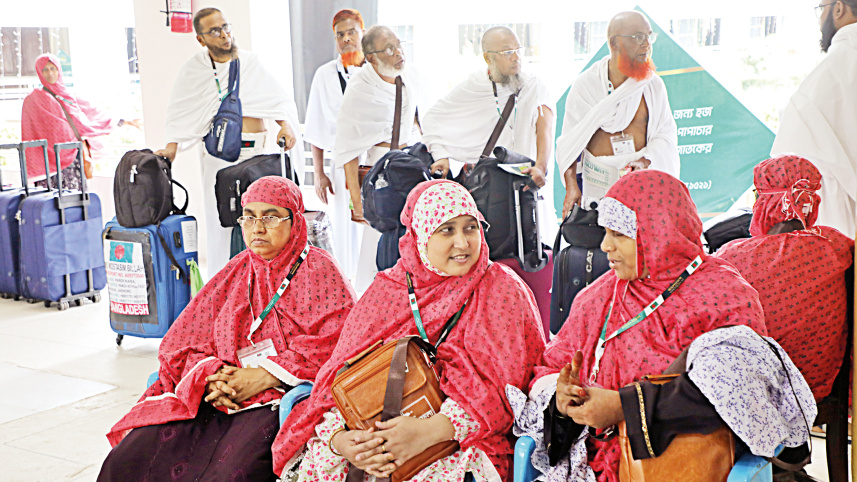
Hajj, Islam’s fifth pillar, is a transformative journey of unity, submission to Allah, and personal renewal. This year, Bangladesh, one of the largest contributors to the pilgrimage, is set to send approximately 78,500 pilgrims to the holy lands of Saudi Arabia.
While Hajj is a deeply moving experience, it is also a physically demanding endeavour. To ensure that pilgrims remain in peak condition to perform their rituals, Dr Samiha Sharmin Munia, Assistant Professor at the National Institute of Chest Diseases and Hospital, offers essential guidance on maintaining health and well-being.

Compulsory Vaccination Protocols
Adhering to the Saudi Ministry of Health’s protocols is vital for public safety. All pilgrims aged one and above must receive the quadruple meningitis vaccine at least ten days before their departure.
Physical Conditioning and Preparation
To prepare for extensive walking, practice 3–5 km daily a month in advance and break in your footwear to prevent blisters. Additionally, carry muscle relaxant creams or pain-relief sprays to manage soreness caused by long distances and hilly terrain.
Hydration and Heat Management
To combat Makkah’s intense dry heat, stay hydrated by drinking plenty of water, fresh juice, and ORS. Additionally, carry an umbrella and a portable fan to protect yourself from the sun and provide instant relief.
Nutritional Best Practices
To maintain energy and avoid digestive issues in extreme heat, limit heavy, spicy dishes like Biriyani or Kabsa, which can cause lethargy and acidity. Instead, prioritise hydrating fruits and light staples like plain rice with mild curries.
Medical Preparedness
Pilgrims must carry their regular prescriptions from home, as sourcing specific brands or formulations abroad can be difficult. Dr Munia particularly emphasises that patients with diabetes or hypertension must have an adequate supply of their medications. For those with diabetes, keeping high-calorie snacks such as dates and nuts in a carry-on bag is essential to counteract potential bouts of low blood sugar (hypoglycaemia) during long rituals.
Hygiene and Sanctity
Maintain hygiene to prevent illness by using hand sanitiser and masks regularly. Ensure sterile blades are used for ritual head shaving to avoid blood-borne diseases, and use fragrance-free soap to comply with Ihram requirements.
By integrating these health strategies with their spiritual preparations, pilgrims can safeguard their physical vitality, allowing them to dedicate their full energy to this once-in-a-lifetime journey of devotion.
Afrina Sultana is a Master’s graduate from the University of Dhaka and a regular contributor to the commercial section of The Daily Star.
 For all latest news, follow The Daily Star's Google News channel.
Comments