


Acceptance keeps her practice steady

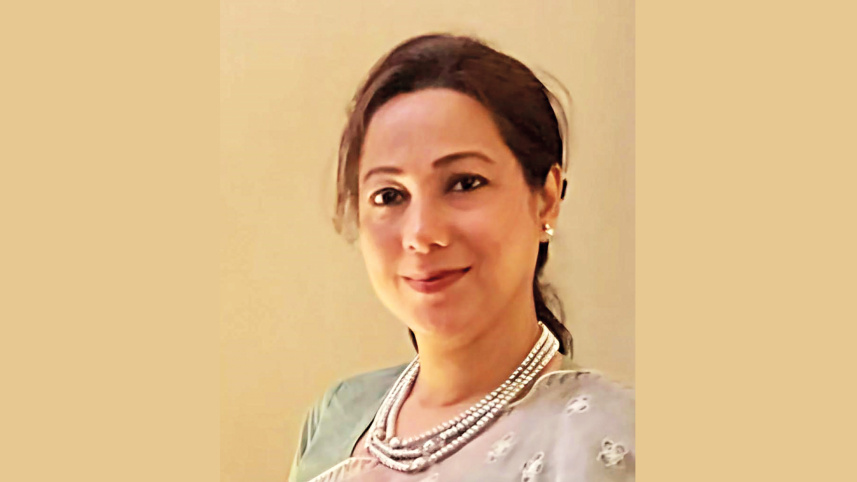
Dr Shahida Alam
MBBS, FCPS (Radiotherapy)
Professor
Department of Radiation Oncology
National Institute of Cancer Research and Hospital

Motherhood taught me the patience needed to navigate clinical crises and the sympathy to treat every patient with the same care I give my children.
Balancing the intricacies of radiation oncology with the demands of motherhood requires a unique form of resilience. Dr Shahida Alam, a Professor at the National Institute of Cancer Research & Hospital (NICRH), has spent her career refining this challenge. Initially drawn to the field for its promise of work-life stability, she soon discovered that the patience cultivated at home became her greatest clinical asset.
The Daily Star (TDS): What initially drew you to Radiation Oncology as your specialty?
Dr Shahida Alam (SA): I chose this subject early in my career primarily because it offered a more manageable schedule than other high-pressure specialisations. At the time, I sought a peaceful balance between a burgeoning medical career and a stable family life. However, this path became one of constant evolution. I have climbed the professional ladder while maintaining my home, upgrading myself every year as a physician, a mother, and a human being. Growth in oncology is frequent, and I have embraced every change with a commitment to both my patients and my children.
TDS: How has motherhood influenced your patient care?
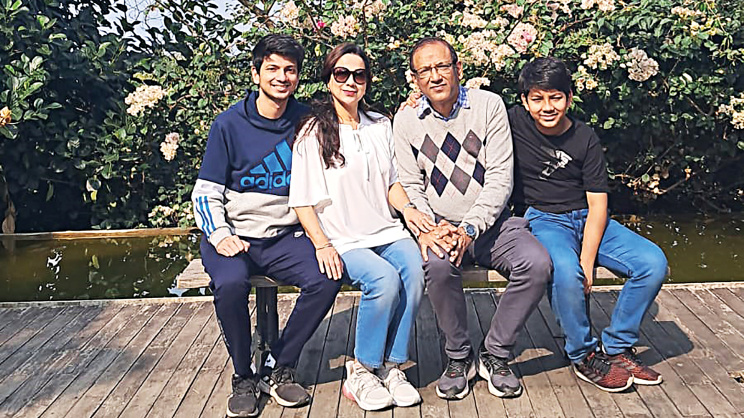
SA: Raising children requires immense patience, a quality that helps me navigate complex clinical scenarios. The practice of managing daily tasks and taking critical decisions during household crises has proven invaluable in a hospital setting. Motherhood encouraged me to view my institution as a family, allowing me to look beyond mere professionalism. I treat my patients with the same protective sympathy I give my own children, fostering a bond that transcends the clinical environment. This maternal instinct provides a sense of comfort that is vital for those undergoing difficult cancer treatments.
TDS: How do you manage the pressure of such a demanding career?
SA: A smooth balance is not always achievable, and there are certainly moments of frustration or exhaustion. I believe acceptance is the key to mental health. You must make peace with the fact that you cannot be at the top of every game simultaneously. What matters is giving your absolute best effort in the moment. When the weight of treating critically ill patients feels heavy, I restore my peace through music, reading, and self-care. Without this inner stability, I cannot keep my surroundings functioning and happy.
TDS: What improvements are you bringing to cancer care at NICRH?
SA: As a professor, I focus on policy-making and empowering the next generation of trainees. At NICRH, we are working to align with global standards by creating homogeneous treatment guidelines. These ensure all physicians follow a basic guidebook while personalising care through their own unique experience. My specific focus on breast cancer allows me to treat patients more profoundly through continuous, updated learning and research. We also arrange regular seminars and discussion sessions to cultivate a better, more efficient pathway for cancer care in Bangladesh.
TDS: What personal belief keeps you motivated?
SA: I wake up every morning knowing I have an unwavering purpose to serve now. I focus on taking one new step forward each day. I practice acceptance daily, as it lessens inner chaos and prevents despair.
Interview conducted by Samia Chowdhury
 For all latest news, follow The Daily Star's Google News channel.
Comments