


Motherhood nurturing success in Hematology

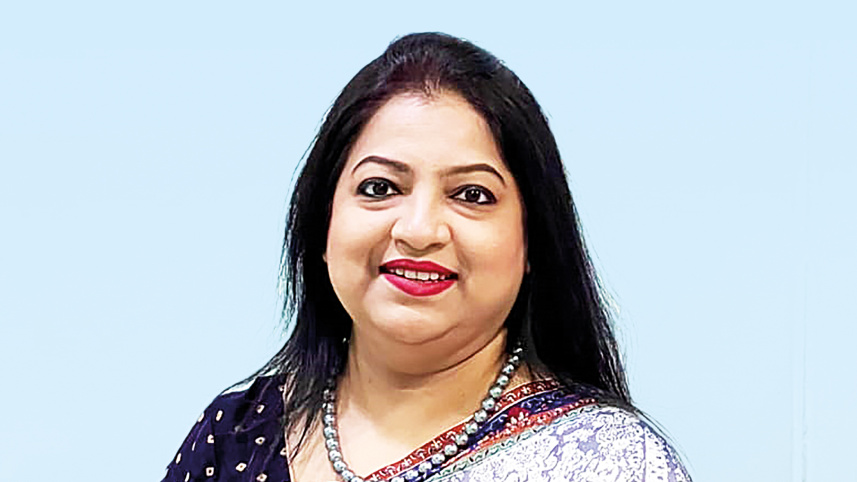
Dr Mafruha Akter
MBBS (Dhaka), FCPS (Hematology)
Associate Professor
Department of Hematology
Dhaka Medical College Hospital

Motherhood shaped my empathy and drive. Managing both roles helps me understand cases intensely, especially when treating children who look to us for hope.”
In the precise field of hematology, Dr Mafruha Akter demonstrates that maternal instincts are a catalyst for clinical excellence. As an Associate Professor at Dhaka Medical College Hospital (DMCH), she manages complex blood disorders while nurturing a fulfilling family life. Her journey, marked by international training and extensive research, highlights the resilience required to lead in medicine. By blending academic rigour with the empathy gained through motherhood, Dr Mafruha serves as a beacon for the next generation of female physicians.
The Daily Star (TDS): What initially drew you to hematology, and how has your mission evolved since becoming a mother?
Mafruha Akter (MA): My father inspired my medical aspirations, but I chose hematology because it uniquely combines medicine, patient interaction, and laboratory research. It is a fast-growing field essential for treating blood cancers. My career in this specialty ran parallel to my journey into motherhood. During my post-graduation and specialised bone marrow transplant training in the USA and Thailand, I had to leave my children behind. This demanding period taught me the true meaning of balance and resilience, shaping me into a more compassionate professional. I realised that the strength required to lead a department is often found in the sacrifices made at home.
TDS: How has motherhood changed your communication with patients?
MA: Motherhood profoundly shaped my empathy. Managing both roles simultaneously allows me to understand a patient’s situation more intensely. When I treat children, my own maternal experiences help me connect with them and their families on a deeper level. I do not just see a clinical case; I see a family seeking hope. This bond allows me to provide care that is both scientifically sound and emotionally supportive.
TDS: How do you manage the transition between the clinical environment and home?
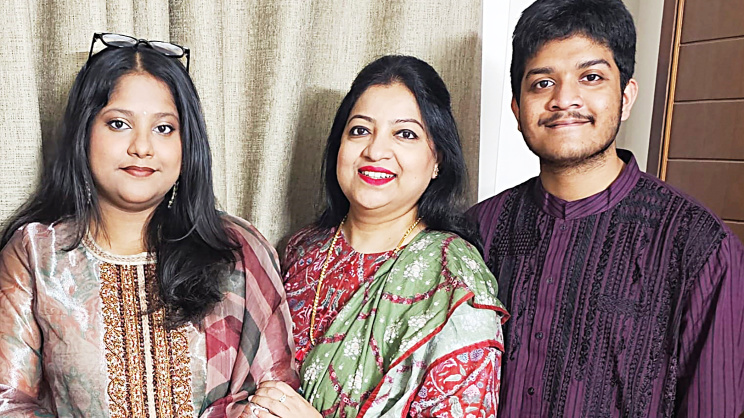
MA: Compartmentalisation is my primary strategy. When I am at the hospital or the college, my focus is entirely on my patients, research, and students. Once I am home, I dedicate myself fully to my family. While the lines occasionally blur during emergencies, I strive to give each sphere the attention it deserves. My children have adapted well, and we have established a routine that protects our precious family time. My husband and parents have been my pillars, allowing me to excel in both roles.
TDS: As a woman leader, how are you working to improve healthcare standards?
MA: Beyond clinical work, I am an academician with over thirty publications in international journals. For Bangladesh, expanding research is vital to strengthening our healthcare infrastructure. I also aim to empower my female students. I want them to realise they do not have to sacrifice their professional dreams for their personal lives. With women now making up the vast majority of medical students, they are clearly the future of our nation’s health.
TDS: What is the personal philosophy that keeps you motivated?
MA: I believe life is like sitting on a beach; the waves will constantly come and go. It will never be perfectly smooth, so we must find our own rhythm. My core philosophy is to approach every challenge with a cool head. Acceptance of life’s unpredictability allows me to remain easy-going and focused.
Interview conducted by Samia Chowdhury
 For all latest news, follow The Daily Star's Google News channel.
Comments